Product photography and product videography are often grouped into one production request, but they do different jobs. Photography gives customers precise, quickly scannable views. Video demonstrates movement, scale, use and atmosphere over time.
For brands and ecommerce teams in Dubai and across the UAE, the best choice is not the format that looks more impressive. It is the format that answers the customer’s questions on the intended platform. This guide compares product photography and product videography, explains when each is most useful and shows how to plan both efficiently.
The Short Answer
Choose photography when customers need to compare details, colours, angles and variations quickly. Choose video when the product’s value depends on motion, use, scale, sound, transformation or a sequence. Most brands benefit from a structured combination: repeatable photographs for every SKU and selected video assets for priority products, campaigns and social channels.
What You Will Learn
- What product photography communicates best
- What product videography adds
- How platform and customer intent affect the decision
- When stills alone are sufficient
- When video becomes essential
- How to plan photography and video in one production
- Which deliverables to define before booking
Start With the Customer Question
Every product asset should answer a question. A customer may want to know what the item looks like from the back, how large it is, how a mechanism works, how fabric moves or what the packaging experience feels like. Photography is strongest when the answer can be understood in one frame. Video is strongest when the answer requires time or movement. Before choosing a format, list the main buying questions and map each one to the clearest visual response. This prevents a brand from producing attractive content that does not help customers understand the product.
What Product Photography Does Best
Photography allows the viewer to stop, compare and inspect. It is efficient for catalogues and ecommerce because several images can be scanned quickly without waiting for a video to play. Photography is especially useful for:
- Front, back, side and detail views
- Colour and material comparison
- Marketplace main images
- Packaging and accessory layouts
- Website category pages
- Press, presentations and printed materials
- Advertising layouts that need space for text
A well-planned photography library is flexible. One high-resolution image can be adapted for a product page, sales deck, banner, social post or catalogue.

What Product Videography Does Best
Video shows change. It can reveal how a lid opens, how a watch catches light, how a device interface responds, how liquid moves or how a product is used in a real environment. Video is valuable for:
- Product demonstrations
- Assembly or setup
- Texture and movement
- Scale in relation to a person or environment
- Unboxing and packaging sequences
- Short-form social content
- Campaign storytelling
- Digital screens and product launches
Movement can also make reflective and transparent products feel more dimensional. Controlled changes in light reveal form in a way that one still frame cannot.
Photography Is Easier to Browse
On an ecommerce page, customers often want immediate access to specific information. They may jump directly to a close-up, back view or size reference. A gallery lets them choose what to inspect. Video is linear. The viewer must wait for the relevant moment or use playback controls. This is why video should normally complement a complete photo gallery rather than replace essential product views. Even when a brand invests heavily in video, it still needs strong still images for thumbnails, search results, category pages and platforms that limit autoplay.
Video Explains Processes and Functions
If a product’s benefit is difficult to show in a static frame, video may reduce uncertainty more effectively. Examples include:
- A modular product changing configurations
- A beauty tool being applied
- An electronic device moving through an interface
- A bag opening to reveal compartments
- A closure, mechanism or rotating element
- A food or beverage preparation sequence
The video should demonstrate the real function clearly. Fast cuts and atmospheric movement are useful for promotion, but they may not answer practical product questions.
White-Background Photography vs Product Video
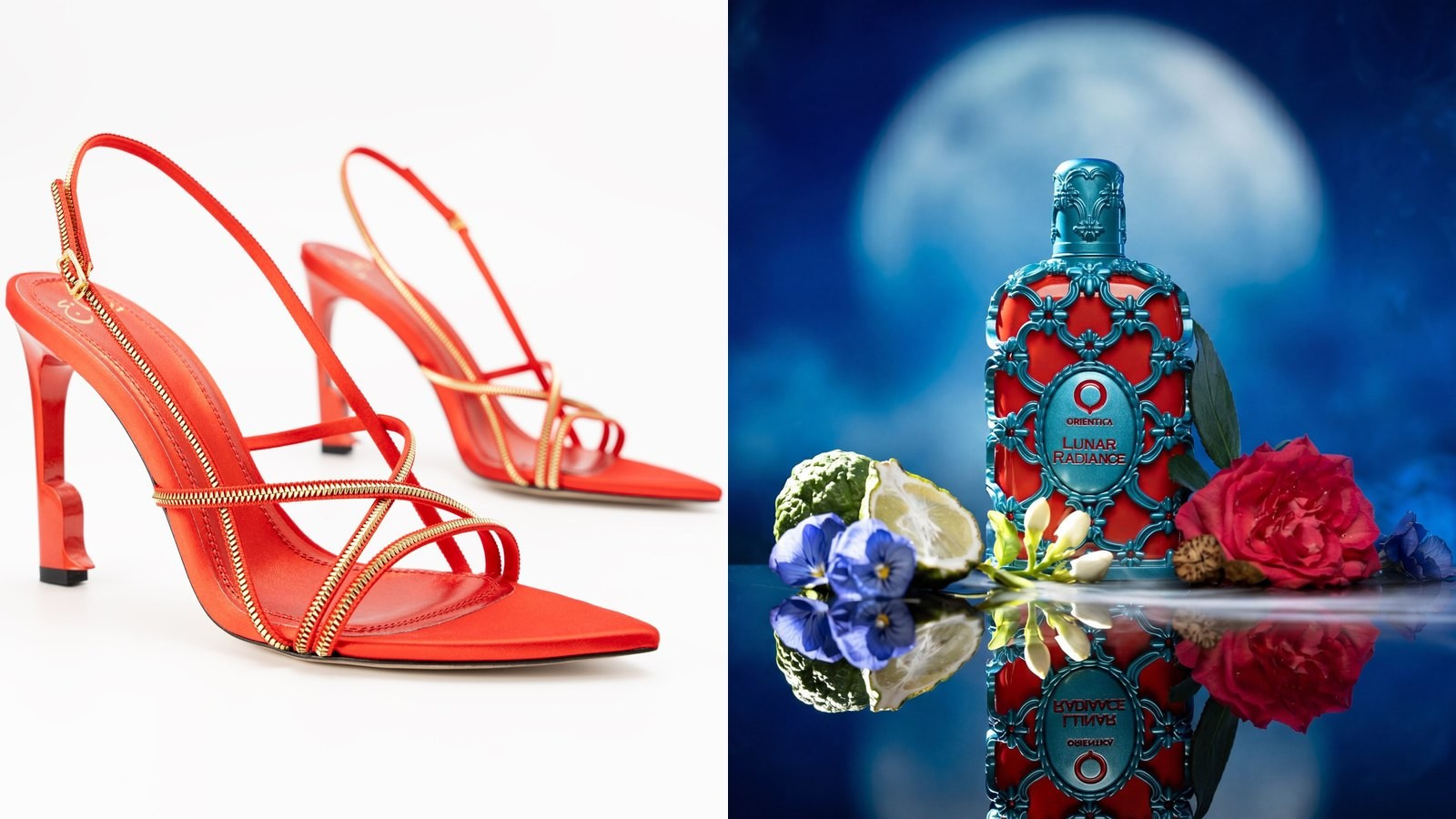
Clean white-background photography provides consistency and comparison. It is often the foundation of an ecommerce catalogue. Product video can be created on white as well, but it needs a defined action or purpose. A rotating product, opening sequence or guided demonstration can extend the clean catalogue style into motion. A completely static object filmed without meaningful movement may add little beyond the still photographs. The guide White Background vs Lifestyle Product Photography explains how context and clean catalogue imagery serve different customer needs.
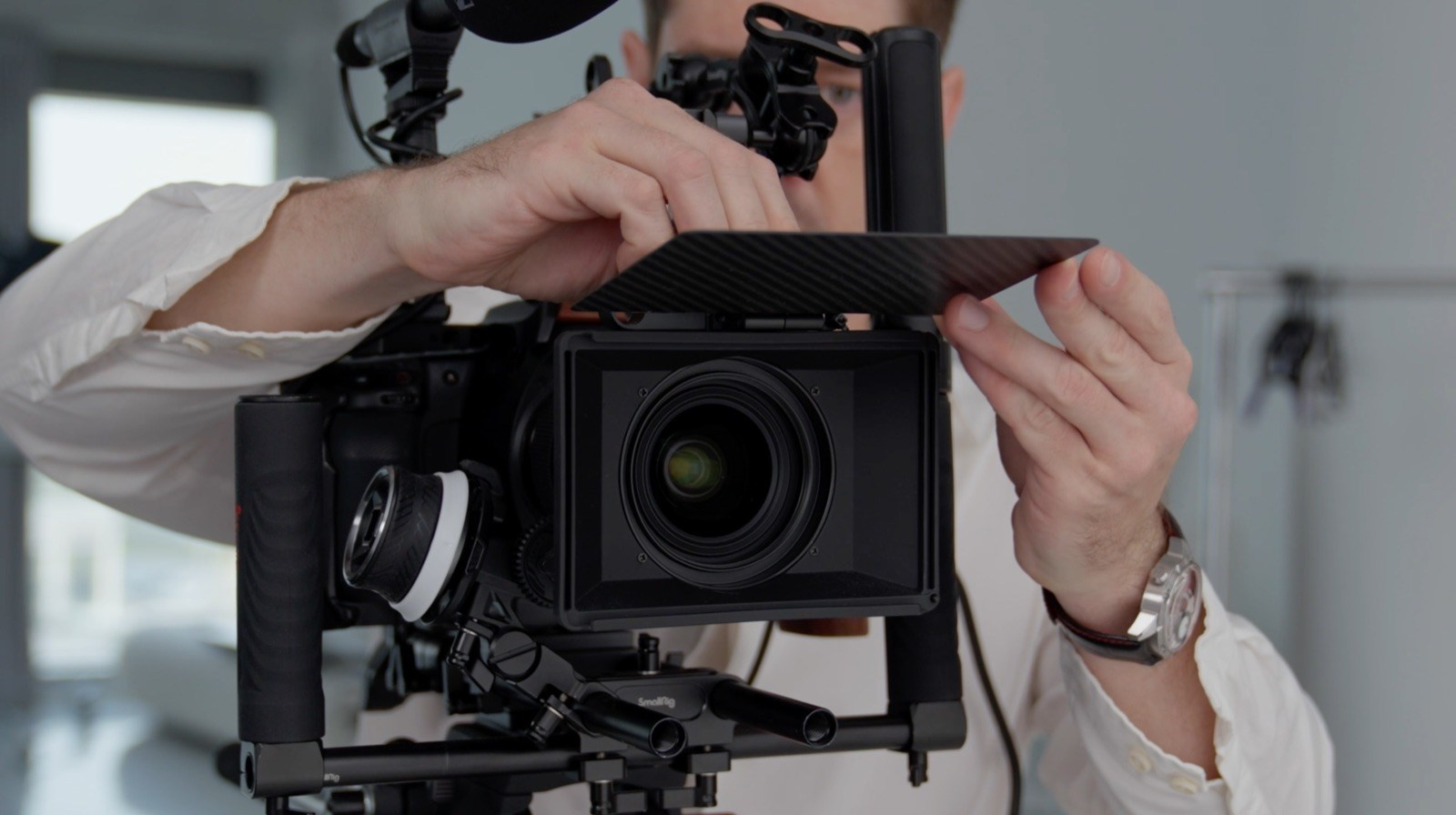
Lifestyle Photography vs Product Video
Lifestyle photography places the product in a relevant environment and communicates a complete idea in one frame. Lifestyle video can build a longer story through actions, camera movement, sound and editing. For paid advertising, video may create a stronger hook, while a still image may communicate the product faster once the viewer stops scrolling. Testing both formats is often more useful than assuming one will always perform better.
Think About the Platform
The same asset does not work equally well everywhere. Confirm where the content will appear before production.
Ecommerce Website
Use a complete photo gallery as the information base. Add a concise product video where motion or use matters.
Marketplaces
Main images may follow strict rules, while additional images and video can provide context. Requirements vary by platform and category and should be checked immediately before production.
Instagram, TikTok and Short-Form Platforms
Vertical video can demonstrate the product quickly, but strong stills remain useful for carousels, covers and paid variations.
LinkedIn and B2B Sales
Photography supports product announcements, presentations and sales material. Video can explain manufacturing, technology or a complex commercial use case.
When Photography Alone May Be Enough
Photography may be sufficient when:
- The product is simple and static
- The catalogue contains many SKUs with limited marketing priority
- Customers mainly need colour, angle and detail comparison
- The destination platform prioritises still images
- The brand already has a separate demonstration resource
A basic product does not automatically need video. Producing motion without a useful action can increase cost and file volume without increasing clarity.
When Video Becomes Important
Video should be considered when:
- Movement is part of the product benefit
- The setup or operation is not immediately obvious
- Scale is difficult to understand from stills
- The product changes shape or configuration
- Packaging and unboxing are part of the experience
- The campaign depends heavily on social media
- The brand needs digital-screen or launch content
Use a Content Hierarchy
Not every SKU needs the same production package. A useful hierarchy protects the catalogue while directing more creative resources to priority products.
- Foundation: repeatable product photographs for every sellable SKU.
- Enhanced content: detail, lifestyle and scale images for products that need more explanation.
- Motion: short demonstrations or social clips for priority products.
- Campaign: higher-concept photography and video for launches and hero ranges.
This approach prevents a few products from receiving many assets while the rest of the catalogue remains incomplete.

Photography and video can share products, sets, props, locations, talent and some lighting, but they are not captured identically. Still photography may refine one exact composition for several minutes. Video needs a beginning, action and ending, along with continuity between takes. Camera movement, frame rate, sound and vertical cropping may change the setup.
- Shared setups
- Still-only deliverables
- Video actions and shot duration
- Horizontal and vertical versions
- Talent or hand-model requirements
- Reset time for liquids, food, packaging or moving parts
Prepare Products for Both Workflows
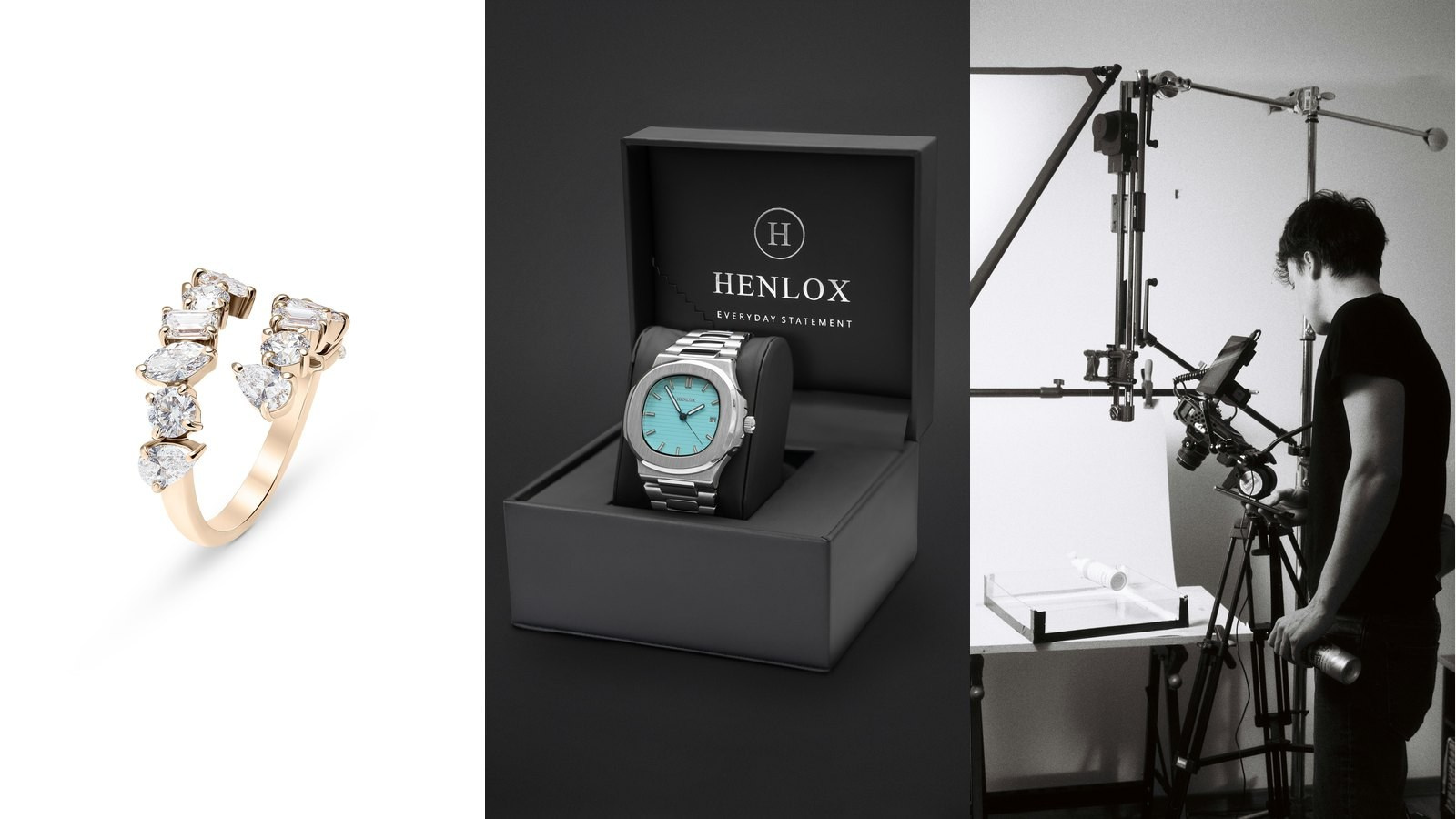
Motion can reveal defects that remain hidden in a front photograph. Hinges, caps, screens and mechanisms must function smoothly. Packaging used for unboxing may need several duplicate units so the sequence can be repeated. Send backup products where practical and label every variation clearly. The preparation checklist in How to Prepare Products for a Commercial Photoshoot covers sample selection, cleaning, SKUs and accessories in more detail.
Define Deliverables, Not Just Production Time
“One day of product content” is not a complete brief. The final outputs should be listed before the shoot. For photography, define:
- Number of products and angles
- Background and styling categories
- Required aspect ratios
- Retouching level
- Web and print file versions
For video, define:
- Number and duration of final edits
- Horizontal, vertical and square versions
- Demonstration actions
- Graphics, text, music or voice requirements
- Revision and delivery workflow
How the Cost Structure Differs
Photography is influenced by SKU count, angles, consistency, surface complexity, styling and retouching. Video adds actions, takes, camera movement, continuity, editing, music, graphics and multiple export formats. One short video may require many individual shots, while a simple rotating clip may be produced efficiently within a repeatable catalogue setup. Compare quotations by the actual deliverables and production requirements, not by final duration alone.
Common Planning Mistakes
Replacing Essential Photographs With One Video
Customers still need immediate access to specific angles and details.
Recording Video Without a Defined Action
Movement should explain or communicate something, not exist only because video feels more premium.
Some horizontal compositions cannot be cropped vertically without losing the product or action. Plan formats on set.
Assuming One Lighting Setup Will Serve Everything
Stills and motion can share a visual system, but exposure, movement and practical effects may require adjustments.
Leaving Editing Decisions Until the End
The intended pace, graphics and platform should influence what is recorded.
Frequently Asked Questions
Does every ecommerce product need a video?
No. Video is most valuable when motion, operation, scale or experience affects the buying decision.
Can still images be extracted from product video?
They can, but dedicated photography usually provides better resolution, timing, retouching control and framing for ecommerce.
Can photography and video be produced on the same day?
Yes. A combined schedule can be efficient when shared and separate deliverables are defined in advance.
Which format is better for social media?
Short video is powerful for motion and attention, while stills support covers, carousels, paid variations and fast product recognition. Most campaigns benefit from both.
Should every SKU receive the same content package?
Every product needs a consistent information base. Priority products can receive additional lifestyle and motion assets.
Conclusion
Product photography communicates precise information quickly. Product videography explains movement, function and experience. The strongest content system assigns each format the job it performs best instead of treating one as a replacement for the other. GSP Media produces commercial product photography and video for brands, agencies and ecommerce teams in Dubai and across the UAE.
How to Prepare Clothing for an Ecommerce Fashion Photoshoot
White Background vs Lifestyle Product Photography
Ecommerce Fashion Photography: Model, Mannequin or Flat Lay?
How to Prepare Products for a Commercial Photoshoot

Corporate Podcast vs Video Interview: Which Format Is Right for Your Business?

How to Prepare a Corporate Event Photography and Video Brief

How to Prepare a Venue for Professional Live Streaming
How Multi-Camera Live Streaming Works

How Multi-Camera Video Podcast Production Works
How Many Cameras Does a Corporate Event Need?
How to Prepare a CEO or Executive for a Video Interview

Why Backup Internet Is Essential for Event Live Streaming

What Affects Corporate Event Photography and Video Costs?
Event Photography vs Videography: What Does Your Event Need?