
A corporate event photography and video brief is the document that turns an event agenda into a workable production plan. It tells the crew what the organisation needs to communicate, which people and moments are essential, where activity will happen and what must be delivered after the event.
Without a clear brief, even an experienced team has to make assumptions. A photographer may produce a strong gallery but miss a sponsor installation. A videographer may capture excellent atmosphere but not record a keynote continuously. A same-day request may arrive after the crew and equipment have already been allocated.
The brief does not need to be long or highly technical. It needs to be accurate, prioritised and shared early enough for the production company to identify gaps, recommend the right crew and coordinate with the venue.
This guide explains how businesses in Dubai and across the UAE can prepare a practical corporate event photography and video brief that protects important moments and produces content the marketing team can actually use.
What You Will Learn
- Which information a professional event brief should contain
- How to define photography and video deliverables clearly
- Why the agenda, venue layout and VIP list affect crew planning
- How to brief the team on speakers, sponsors and mandatory moments
- What to include for live streaming and same-day content
- Which supporting files should be sent before the event
- How to use a final checklist before approving the production scope
The Short Answer
A useful event production brief should answer six questions: why the event is being documented, what must be captured, where and when everything happens, who matters most, what files are required and when they must be delivered.
Begin with the business objective and final outputs. Then add the confirmed agenda, venue plan, contact list, speaker and VIP details, branding priorities, technical requirements and delivery deadlines. Mark essential items separately from desirable coverage so the crew can make the correct decision when the programme changes.
Why the Brief Matters
Corporate events are live environments. Speeches run late, rooms change, guests arrive unexpectedly and important conversations happen away from the stage. The production team cannot pause the event to clarify every decision.
A strong brief gives the crew a hierarchy of priorities. If a keynote overlaps with a sponsor activation, the team knows whether both require coverage and whether additional operators are needed. If a senior executive leaves early, the photographer knows which portrait or group photograph must happen first.
The brief also makes quotations easier to compare. A request for “photo and video coverage” can describe anything from one hybrid operator collecting selected content to a full team recording several rooms, interviews and a live broadcast. Defined outputs create a defined scope.
Start With the Communication Objective
Before listing shots, explain what the content should achieve. The answer influences how the event is filmed and photographed.
Common objectives include:
- Publishing a same-day announcement
- Promoting the next edition of the event
- Documenting presentations for internal or registered audiences
- Demonstrating sponsor value
- Building a library of executive and speaker content
- Creating LinkedIn, Instagram or website assets
- Supporting press, recruitment or annual reporting
Do not assume every stakeholder has the same objective. The events team may want a complete record, the marketing team may need short social content and sponsors may expect visible evidence of their participation. Collect these requirements before the production scope is confirmed.
Provide the Essential Event Information
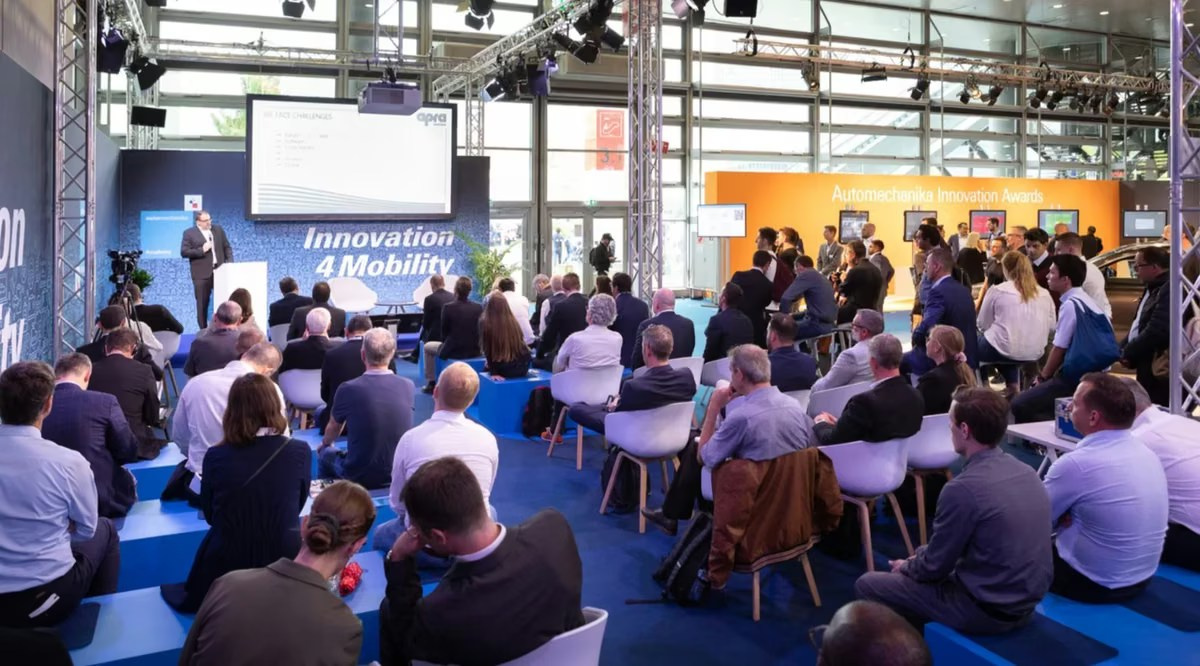
The first page of the brief should contain the facts the crew needs for planning and access:
- Event name, date and venue
- Public programme and production call time
- Expected guest count
- Room names and floor plan
- Loading, parking and accreditation instructions
- Organiser, venue and AV contacts
- Dress code and security requirements
- Languages used during the programme
Include exact venue details rather than only the hotel or exhibition centre name. Large properties in Dubai and Abu Dhabi may have several entrances, ballrooms and loading areas. The team needs to know where equipment can be delivered and how long it takes to reach the production space.
Attach the Full Agenda
The agenda is one of the most important production documents. It reveals where the crew must be, which activities overlap and how quickly operators need to move between locations.
Share the detailed internal schedule when possible, not only the shortened programme shown to guests. Include registration, rehearsals, private meetings, press calls, VIP arrivals, group photographs, interviews, breaks and expected finishing times.
Highlight simultaneous sessions. A production team cannot cover two rooms continuously with one camera or one photographer. Parallel activity may require additional crew, fixed cameras or a decision about which session has priority.
If the programme is still changing, label the version and nominate one person to send updates. Several agendas circulating with different timings create avoidable mistakes.
Separate Mandatory Moments From General Coverage
A shot list is useful, but it should not become a long collection of obvious requests such as “photograph the audience” or “capture the atmosphere”. The production company already understands standard event coverage.
Use the shot list to identify what is unique and non-negotiable:
- A contract signing or ribbon cutting
- A specific executive meeting a government representative
- A complete sponsor installation
- A formal group photograph
- An award presented by a named person
- A product demonstration that happens only once
- A keynote that must be recorded in full
Mark each item as essential, important or optional. This gives the crew a practical order of priority if the schedule changes.
Identify Speakers, Executives and VIPs
Do not expect the production team to recognise every important guest. Provide a list with names, positions, organisations and reference photographs when recognition is important.
For each person, explain what is required: stage photographs, networking coverage, a portrait, an interview, a group photograph or continuous video of their session.
Also confirm sensitivities. Some guests may have limited availability, security restrictions or specific approval requirements. Others may not wish to be photographed outside scheduled appearances.
Define the Photography Scope
Explain how the photographs will be used and which outputs are required. A typical scope may include venue details, registration, speakers, audience reactions, networking, branding, sponsors, awards and group photographs.
Clarify whether the brief also requires a controlled setup such as executive portraits, step-and-repeat photography or product images. These are different from documentary coverage and may require lighting, a fixed location and scheduled participants.
State whether you need a small same-day selection, a complete edited gallery, web and high-resolution versions, or advanced retouching of selected images.
Define the Video Scope
A request for “event video” is not specific enough. List the actual video products:
- Promotional highlight film
- Complete keynote or panel recordings
- Executive interviews or guest testimonials
- Vertical social media clips
- Same-day teaser
- Presentation and screen capture
- Live stream and local recording
A highlight film and a full session recording require different shooting priorities. The highlight focuses on atmosphere and selected moments. A complete recording requires uninterrupted cameras, reliable audio and presentation capture. If both are needed, say so before the crew plan is created.
Specify Final Deliverables
Describe the files, not only the time spent at the venue. For every deliverable, define its intended platform, approximate format, aspect ratio, language, subtitle needs and delivery deadline.
For example, “one event highlight” still leaves important questions unanswered. Is it intended for a website, LinkedIn or a vertical social platform? Should it include speaker soundbites, interviews, music, captions or sponsor logos? Is there an approved closing message?
When several departments will use the content, assign one person to consolidate requirements and feedback. Conflicting instructions from multiple stakeholders delay production and revisions.
Explain Branding and Sponsor Priorities
Provide current logos, brand guidelines, approved event graphics and the exact spelling of speaker names and titles. Identify sponsor assets that must appear in photographs or video.
Sponsor coverage should be specific. “Capture all branding” is difficult to verify. List the installations, stages, booths, screens or activations that need clear documentation, and explain whether each sponsor needs individual content.
For video graphics, confirm which logos can appear together and who approves titles. Last-minute corrections during a live broadcast or same-day edit create unnecessary risk.
Include Audio and Presentation Requirements
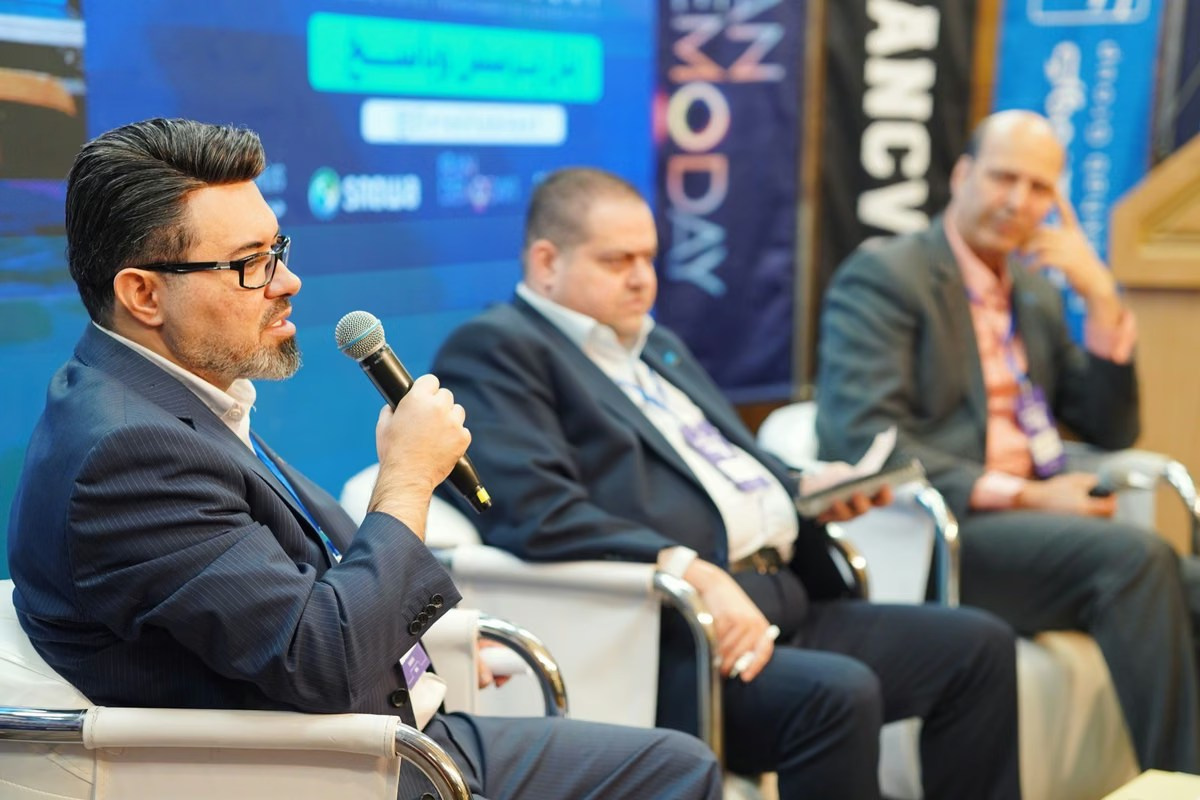
If speeches, panels or interviews are being recorded, explain which sessions require professional audio. Share the contact details of the venue AV supplier so the video team can discuss microphone channels, sound feeds and rehearsals.
Do not assume that sound heard clearly in the room will automatically be recorded correctly. The production team needs access to a tested feed and may recommend an independent backup.
Also specify whether presentation slides, embedded videos, demonstration screens or remote speakers must appear in the recording or stream. Filming a bright venue screen from the audience is not the same as receiving a direct presentation source.
Add Live Streaming Requirements
A livestream brief should define the audience, access method and complete technical workflow. Include:
- Expected number and location of viewers
- Public, unlisted, registered or private access
- Preferred platform
- Number of cameras and presentation sources
- Remote speakers or moderators
- Branded graphics and holding screens
- Viewer questions or interaction
- Venue internet information
- Local recording requirements
- Technical rehearsal time
For business-critical streaming, the production company should review the venue connection and backup options. Guest Wi-Fi is not a production specification.
Define Same-Day Content Precisely
“We need content during the event” can mean five edited photographs, a gallery after each session, vertical clips or a completed same-day video. State exactly what is required, for which platform and at what time.
Fast delivery may require an on-site editor, additional shooter, approved graphics, preselected music and a workspace with power and internet. If same-day output is added after the event begins, the crew may not have the resources to deliver it without creating gaps in coverage.
Address Permissions and Privacy
Tell the production company about areas or people that should not be recorded. Clarify whether the organiser is responsible for attendee notices, releases or signage and whether any sessions contain confidential material.
Private executive meetings, children, medical discussions and internal corporate information may require additional controls. For livestreams, access permissions should be agreed before invitations are distributed.
Plan Group Photographs and Interviews
Group photographs need a confirmed time, location and organiser who can gather participants. “At some point during the day” is not a workable schedule, especially for senior executives.
Interviews also need assigned participants, time slots, questions and a suitable location. A visually impressive exhibition floor may be too noisy for clear speech. Reserve a controlled area and allow time for microphone placement and repeated answers.

Include Venue and Logistics Details
Share information that affects equipment movement and setup: loading access, parking, security registration, lift dimensions, cable restrictions, power, stage position and available working space.
For events in Abu Dhabi, Sharjah, Ras Al Khaimah, Al Ain or other UAE locations, include early call times and any travel or accommodation requirements. A 9:00 opening may require the crew to arrive several hours earlier for setup and sound checks.
What Files Should Accompany the Brief?
A concise brief becomes much more useful when it includes the correct supporting files:
- Latest detailed agenda
- Venue floor plan and stage layout
- Speaker and VIP list with reference photographs
- Brand guidelines and logo files
- Sponsor deliverable list
- Presentation and AV information
- Interview questions and schedule
- Examples of preferred style
- Publishing specifications for final content
- Contact sheet for key organisers and suppliers
References should explain a preference rather than become an instruction to copy another event exactly. The venue, programme and audience will create different practical conditions.
A Practical Corporate Event Brief Checklist
Before sending the document, confirm that it answers the following questions:
- What is the main communication objective?
- What are the exact date, venue and production hours?
- Which sessions happen simultaneously?
- Who are the essential speakers, executives and VIPs?
- Which moments cannot be missed?
- What photography deliverables are required?
- What video deliverables are required?
- Which sessions need complete recording and professional audio?
- Are interviews, portraits or group photographs scheduled?
- Is live streaming required?
- Is any content needed on the same day?
- Which branding and sponsor elements are mandatory?
- Are there privacy or access restrictions?
- Who can approve changes on-site?
- Who will consolidate post-production feedback?
Common Briefing Mistakes
Sending Only the Public Agenda
The public schedule may exclude rehearsals, VIP movements, interviews and internal production timings. Share the operational version.
Treating Everything as the Highest Priority
If every item is marked essential, the list does not help the crew make decisions. Identify the moments that truly cannot be repeated.
Defining Hours but Not Deliverables
Coverage time does not explain whether the client needs a highlight, full recordings, social clips or same-day photographs.
Forgetting Parallel Sessions
One team cannot be in several rooms simultaneously. Overlaps should be visible before crew size is approved.
Adding New Outputs After the Event
Post-production cannot create continuous recordings, clean interview audio or vertical coverage that was never captured.
Leaving On-Site Decisions Without an Owner
The production team needs one authorised contact who can resolve timing, access and priority changes quickly.
Frequently Asked Questions
How long should an event photography and video brief be?
It can be concise. A few organised pages plus the agenda, venue plan and supporting files are usually more useful than a long document without clear priorities.
When should the brief be sent?
Send an initial version when requesting the proposal, then provide a final confirmed version before the event. Complex conferences, livestreams and multi-room programmes need more preparation time.
Do we still need a shot list when hiring an experienced company?
Yes, but use it for event-specific priorities. The crew already understands standard coverage; it needs to know which people, sponsors and moments are unique to your organisation.
Who should prepare the brief?
The organiser can coordinate it, but marketing, communications, sponsorship and leadership teams should confirm their required outputs before production is booked.
Can the production company help improve the brief?
Yes. A professional team should identify missing information, explain production consequences and recommend an appropriate crew and workflow.
Do events outside Dubai need a different brief?
The structure remains the same. Add travel, accommodation, venue access and earlier setup information for events elsewhere in the UAE.
Conclusion
A corporate event photography and video brief is most effective when it connects the business objective to a realistic production plan. It should show the crew what matters, when and where it happens, who must be covered and what the organisation expects to receive.
Clear priorities protect the moments that cannot be repeated. Defined deliverables prevent misunderstandings. Accurate schedules, contacts and technical information allow the production company to recommend the correct team before the event begins.
Planning Corporate Event Coverage in the UAE?
GSP Media provides corporate event photography, videography and live streaming in Dubai and across the UAE. Our team can review your programme, help define the production scope and plan content for conferences, exhibitions, executive meetings, launches and corporate celebrations.
Blog

How to Prepare a Venue for Professional Live Streaming
How Multi-Camera Live Streaming Works
How Multi-Camera Video Podcast Production Works
How Many Cameras Does a Corporate Event Need?
How to Prepare a CEO or Executive for a Video Interview

Why Backup Internet Is Essential for Event Live Streaming

What Affects Corporate Event Photography and Video Costs?
Event Photography vs Videography: What Does Your Event Need?
Video Podcast Production in Dubai: Complete Business Guide
Professional Event Live Streaming: How It Works

Corporate Event Photo & Video Company Dubai: How to Choose
What Should Be Included in a Corporate Event Photography and Video Quote?


Public vs Private Live Streaming for Corporate Events
