
A CEO or senior executive interview may last only a few minutes on screen, but a credible result depends on preparation that begins well before the camera starts recording.
Executives are often expected to communicate strategy, leadership and confidence while working within limited time. They may also need to address technical, financial or sensitive subjects without sounding scripted. The production team must create an environment in which the speaker can focus on the message rather than the equipment.
This guide explains how to prepare a CEO or executive for a professional video interview, corporate podcast, leadership message or filmed event interview in Dubai and across the UAE.
What You Will Learn
- How to define the purpose and audience
- How to prepare questions and key messages
- When to use a script or teleprompter
- How clothing, glasses and the location affect production
- How to schedule an executive efficiently
- How to improve natural on-camera delivery
- What the production team should prepare
Begin With the Business Purpose
The interview should have one clear objective. It may introduce a company strategy, explain a transformation, support recruitment, establish thought leadership, document an event or provide expert content for a marketing campaign.
Define who will watch and what they should understand, feel or do afterwards. A message for employees may require more operational detail than a public brand video. An investor-facing interview may need precise language and formal approval. A social-media clip needs a concise, self-contained idea.
Without a clear purpose, the conversation can become a collection of general statements. The executive may speak well, but the editor will struggle to build a focused final video.
Identify the Core Message
Preparation should reduce the subject to a small number of essential messages. This does not mean giving the executive a marketing script to memorise. It means agreeing on the ideas that must be communicated accurately.
A useful message framework includes:
- The main point in one sentence
- Two or three supporting ideas
- A relevant example or proof point
- Any terminology that must be used precisely
- The intended call to action
If a response cannot be summarised clearly before filming, it will rarely become clearer under studio lights. A short preparation call can identify repetition, missing context and language that may be difficult for a general audience.
Create a Practical Executive Brief
The brief should be concise enough to read. Include the interview purpose, intended audience, expected duration, main themes, recording location, publishing channels, clothing guidance and approval process.
Also explain the format. An executive who expects a formal speech may prepare differently from someone joining a conversational podcast. Clarify whether the interviewer will appear on camera, whether answers should include the question and whether short social clips are required.
Share the final brief with the executive, communications team and production company. Conflicting versions create avoidable changes on the recording day.
Questions, Talking Points or a Full Script?
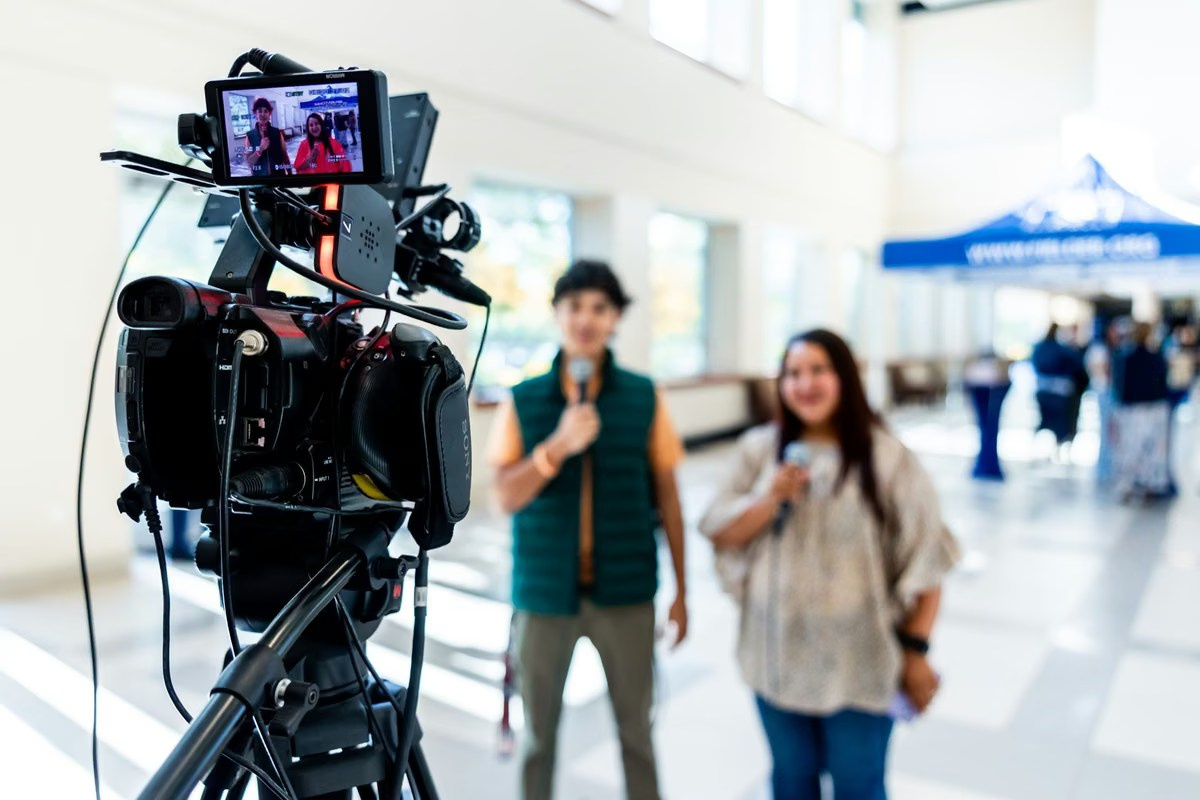
Most executive interviews work best with prepared themes and questions rather than memorised answers. The speaker understands the direction but remains able to respond naturally.
Send questions in advance when the subject includes regulated information, financial results, legal sensitivity or detailed technical facts. For a more spontaneous leadership conversation, sharing themes may be enough.
Ask Questions That Produce Usable Answers
Open questions usually create stronger responses than questions that can be answered with yes or no. “What changed for your customers?” is more useful than “Was the project successful?”
Questions should encourage complete answers. If the interviewer will not appear in the edit, the executive may need to restate the subject: “Our priority this year is…” rather than beginning with “Yes, it is.”
Avoid combining three large questions into one. The speaker may answer only the final part, and the editor will have difficulty creating a clear sequence.
Confirm Legal, Compliance and Approval Requirements
Some organisations require approval of claims, figures, client names, forward-looking statements or employee information. Identify these restrictions before filming.
Confirm who can approve the final edit and how feedback will be consolidated. Several departments sending separate comments can produce contradictory changes and delay delivery.
It also helps to list words or topics that should not be used. The production team does not need confidential internal information, but it does need to understand which areas require care.
Choose the Right Interview Format
A seated interview creates a controlled, conversational appearance. A standing executive address can feel more direct and energetic. A walk-and-talk may communicate activity and location, but it is harder to control sound, eyeline and pacing.
For a corporate podcast, the interviewer may be visible and the exchange can remain longer. For a concise brand film, the interviewer is often off-camera and only selected answers appear in the edit.
The format should match the executive’s natural communication style. A leader who is excellent in conversation may become stiff when asked to deliver a scripted statement directly to the lens.
Select the Location for Sound as Well as Appearance
An impressive office is not automatically a good interview room. Glass walls, stone floors, air conditioning, open work areas and nearby traffic can make speech difficult to record.
The production team should assess:
- Background appearance and branding
- Room echo and mechanical noise
- Available depth behind the speaker
- Space for cameras, lighting and crew
- Power and access
- Interruptions and privacy
- Changes in daylight during the session
A quiet meeting room with controlled lighting may produce a more authoritative result than a visually dramatic lobby. When recording at an event, a separate interview area should be positioned away from stages, loudspeakers and guest traffic.
Plan Clothing Before the Recording Day
Clothing should support the executive and the company’s visual identity without creating technical distractions.
Very small patterns can produce visual interference on camera. Highly reflective fabrics, noisy jewellery and visible unrelated logos may also cause problems. Clothing should contrast with the background; a dark jacket can disappear against a black set.
If a lapel microphone will be used, necklaces, scarves and loose synthetic fabrics may create noise. Ask the executive to bring an alternative jacket, shirt or top when possible.
Glasses can remain on. They are often part of a person’s normal appearance. The lighting and camera position should be adjusted to control reflections rather than automatically asking the speaker to remove them.
Schedule More Than the Final Interview Duration
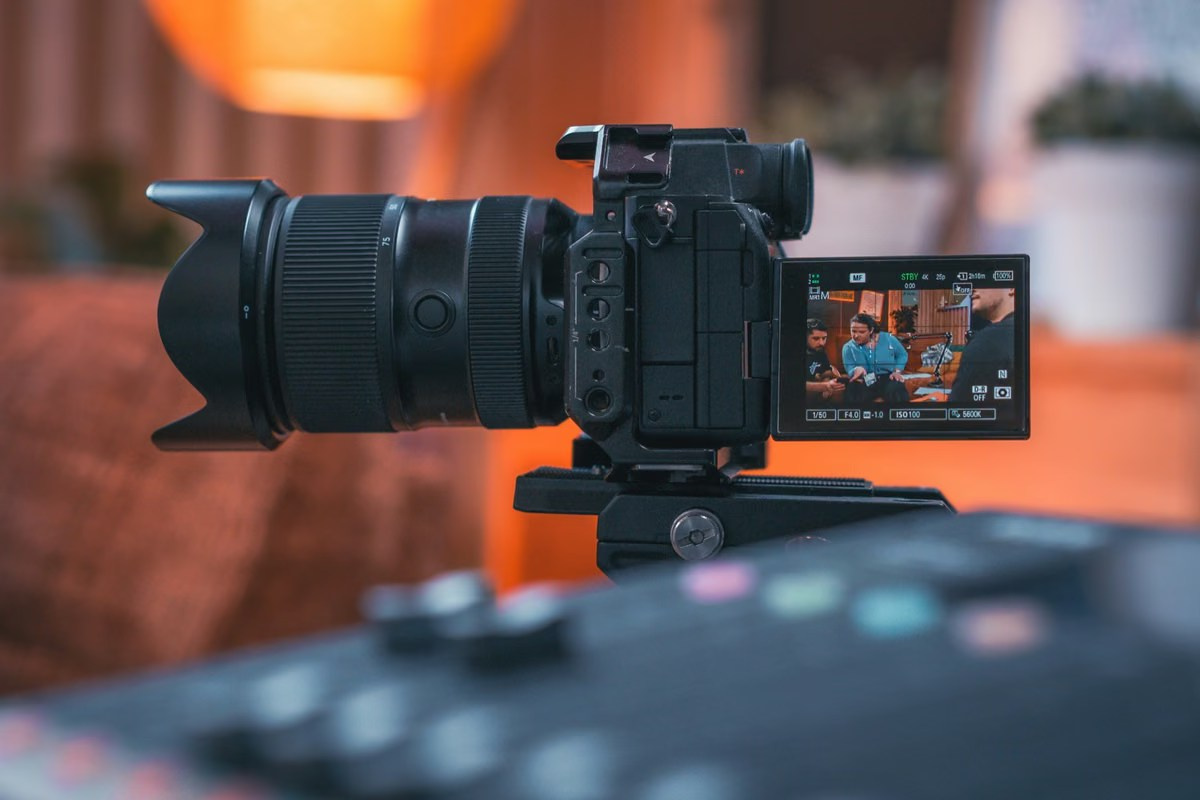
A ten-minute final video does not mean the executive should reserve ten minutes. Time is needed for microphone placement, seating, lighting adjustments, sound checks, conversation and repeated answers.
Build a realistic window and protect it from meetings immediately before and after. Rushing into the room while answering messages makes it harder to settle into a confident delivery.
The production team should be fully prepared before the executive arrives. Cameras, lighting, audio and background should already be tested with a stand-in. Senior leadership time should not be used for routine setup.
Teleprompter or Conversational Delivery?
A teleprompter can be valuable when wording must be exact, the message is formal or the speaker needs to address the viewer directly. It can also reduce the number of takes for a carefully approved announcement.
However, a teleprompter does not automatically create natural delivery. The script must use spoken language, short sentences and a comfortable reading speed. Long corporate phrases often sound more artificial when read aloud.
For interviews, an off-camera eyeline is usually more natural. The executive looks at the interviewer rather than directly into the lens. The interviewer should remain close to the camera so that the speaker’s face does not turn too far away.
Structure Answers for Editing
A practical answer structure is: main point, short explanation, specific example and conclusion. This helps the speaker remain concise while giving the editor complete ideas.
Encourage the executive to pause briefly before answering. This creates clean edit points and prevents the beginning of the response from overlapping with the interviewer.
Shorter answers do not mean superficial answers. A clear thirty-second response can be more useful than a five-minute explanation that contains several competing messages.
If social clips are planned, record a few concise statements that can work independently. Each should make sense to a viewer who has not watched the complete interview.
Improve On-Camera Presence
The objective is not to make the executive perform like an actor. The goal is to preserve their normal authority while reducing distracting habits.
- Sit or stand with a balanced posture
- Keep attention on the interviewer or lens
- Use natural hand movement within the frame
- Speak slightly slower than in a rushed meeting
- Finish the sentence before looking away
- Avoid swivelling continuously in a chair
The production team can provide small, specific guidance. “Keep your hands slightly higher” is easier to apply than “look more confident.”
Use a Warm-Up Before the Main Questions
Begin with simple questions about the executive’s role, the event or a familiar subject. These answers may not appear in the final edit, but they help the speaker adjust to the lights, microphone and pace.
Do not begin with the most sensitive or important question unless time is extremely limited. Many people become noticeably more natural after the first few minutes.
A short rehearsal is useful for scripted messages, but repeated full rehearsals can make delivery sound memorised. It is often better to discuss the message, practise the opening and then record while the language still feels fresh.
Create a Calm Production Environment
The executive should receive instructions from one primary person. Several stakeholders correcting posture, wording and delivery at the same time can reduce confidence.
Keep the room clear of unnecessary observers. Confirm that phones, notifications and nearby meetings will not interrupt. Allow the executive to see a short playback if it helps, but avoid reviewing every take unless there is a specific issue.
A strong director protects the speaker’s concentration while also ensuring that necessary messages, pronunciations and calls to action are recorded accurately.
Record Pickups, Not Endless Full Takes
When one sentence contains an error, it is often unnecessary to repeat the complete interview. The production team can record a clean replacement phrase or a shorter version.
Before the executive leaves, check names, figures, opening lines and calls to action. Also capture alternative wording for any statement likely to need approval.
Audio Deserves Special Attention
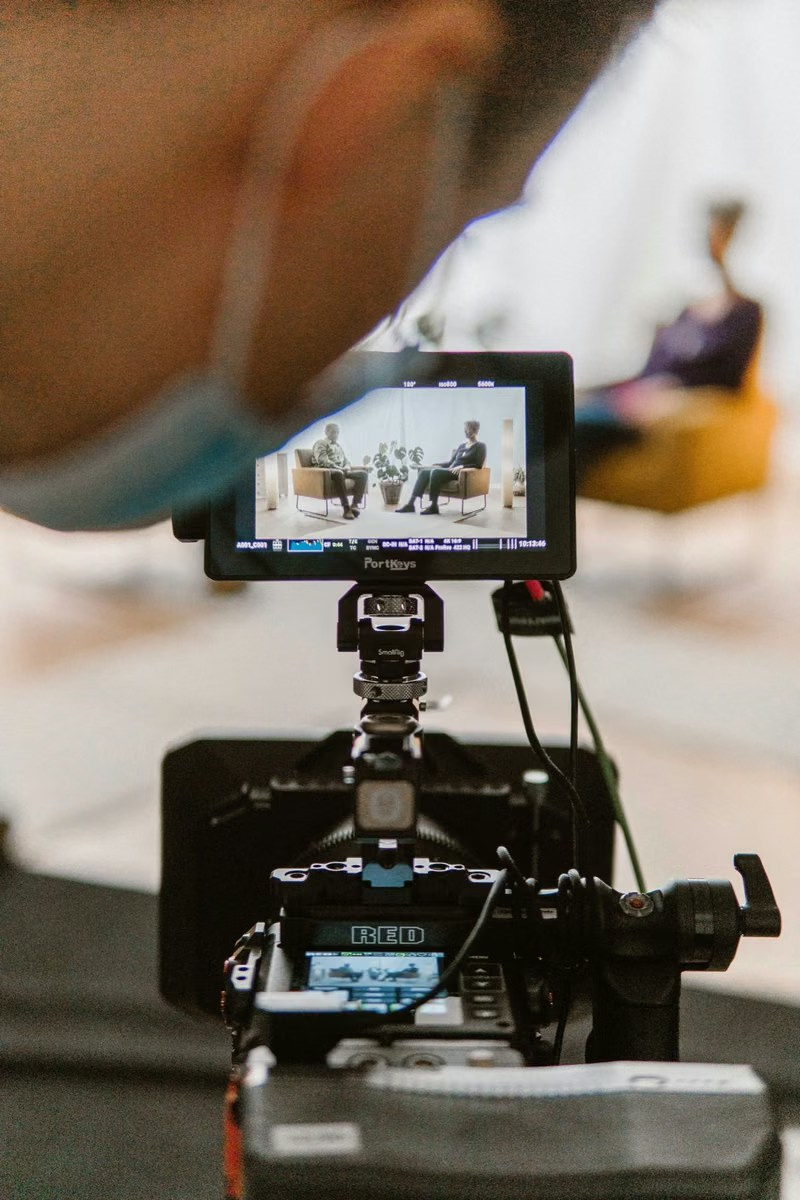
Clear sound has more influence on perceived professionalism than many executives expect. A polished image with echo, clothing noise or air-conditioning rumble quickly loses authority.
Record the speaker with a dedicated microphone and monitor the sound throughout. A second audio path may protect important interviews. The room should be held quiet during recording, including corridors and adjacent spaces when possible.
Post-production can reduce some consistent noise, but it cannot perfectly repair every interruption or reflection. Preventing the problem is more reliable.
Common Preparation Mistakes
Sending a Long Brief at the Last Minute
A crowded document creates more anxiety than clarity. Prioritise the information the executive genuinely needs.
Writing Answers That Do Not Sound Spoken
Formal corporate copy often becomes difficult to deliver naturally. Read every script aloud before approval.
Choosing a Room Only for Its Appearance
Noise, echo and limited camera space can make a visually strong office unsuitable.
Scheduling No Buffer Time
A delayed meeting or microphone adjustment can reduce the entire recording window.
Giving Direction From Several People
Nominate one production contact and one authorised communications representative.
Expecting Post-Production to Repair Everything
Editing can improve pace and presentation, but it cannot reliably fix missing facts, severe noise or an unclear message.
Executive Interview Preparation Checklist
- Confirm the purpose, audience and publishing channels
- Agree on key messages and supporting examples
- Share themes, questions or the approved script
- Identify legal and compliance requirements
- Choose the format and eyeline
- Assess the location for sound and visuals
- Provide clothing guidance
- Reserve setup, recording and buffer time
- Confirm who can approve the final edit
- Prepare names, titles, figures and calls to action
- Record clean pickups before the executive leaves
Frequently Asked Questions
Should a CEO receive the questions in advance?
Usually yes when the subject is technical, sensitive or regulated. For a conversational format, sharing themes may preserve more spontaneity.
Should an executive look at the camera?
Direct eye contact suits formal messages and teleprompter delivery. An interview normally uses an off-camera eyeline toward the interviewer.
How long should the recording session be?
Allow substantially more time than the final video duration. The schedule must include preparation, sound checks, repeated answers and pickups.
Can an executive interview be recorded in an office?
Yes, if the room provides enough space and the noise, echo, lighting and interruptions can be controlled.
Is a teleprompter necessary?
No. It is useful for precise statements, while questions and talking points often work better for natural interviews.
Can one interview create several videos?
Yes. A planned session can produce a main edit, shorter topic videos and vertical social clips, provided the answers and framing support those outputs.
Conclusion
Preparing a CEO or executive for video is a joint communications and production task. Clear objectives, concise messages, an appropriate format and a calm technical environment allow the speaker’s expertise to remain the focus.
GSP Media produces executive interviews, corporate podcasts and leadership content in Dubai, Abu Dhabi and across the UAE, from briefing and on-location production to editing and short-form delivery.
Blog

Why Backup Internet Is Essential for Event Live Streaming

What Affects Corporate Event Photography and Video Costs?
Event Photography vs Videography: What Does Your Event Need?
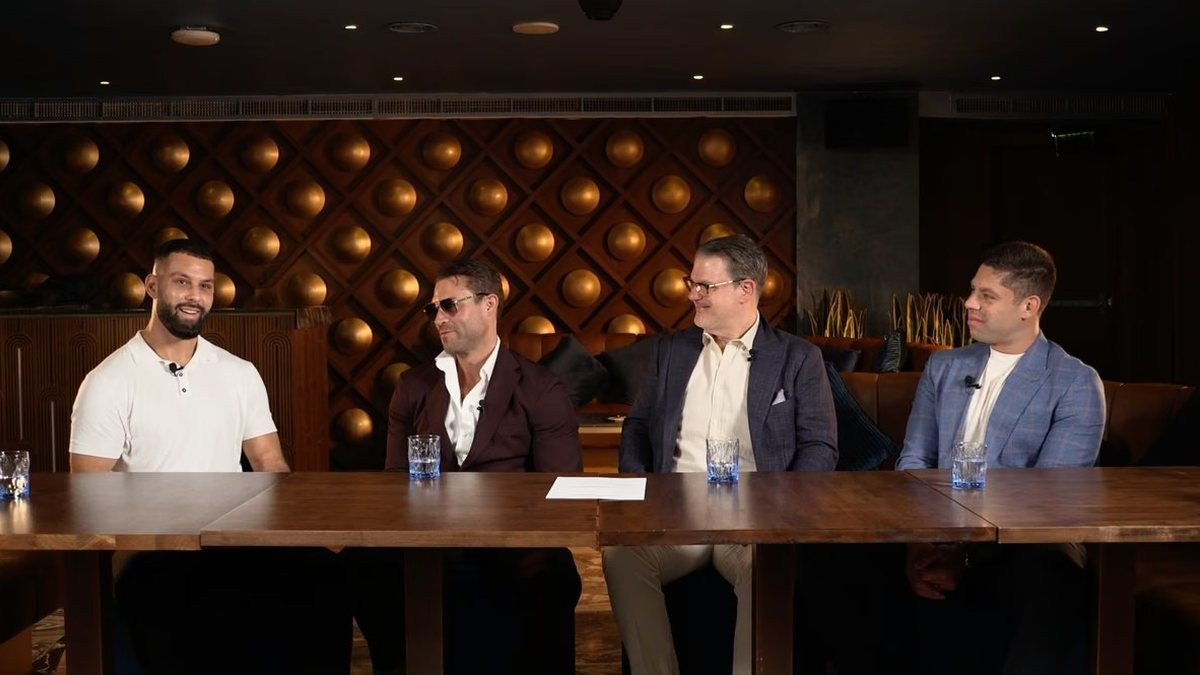
Video Podcast Production in Dubai: Complete Business Guide
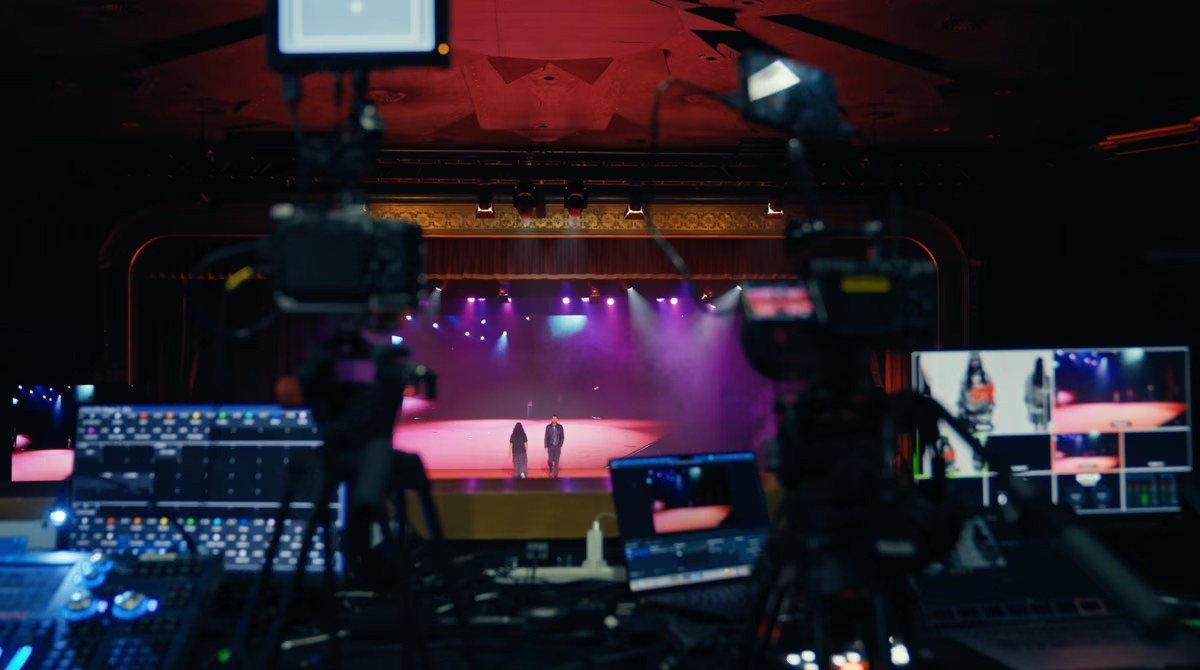
Professional Event Live Streaming: How It Works
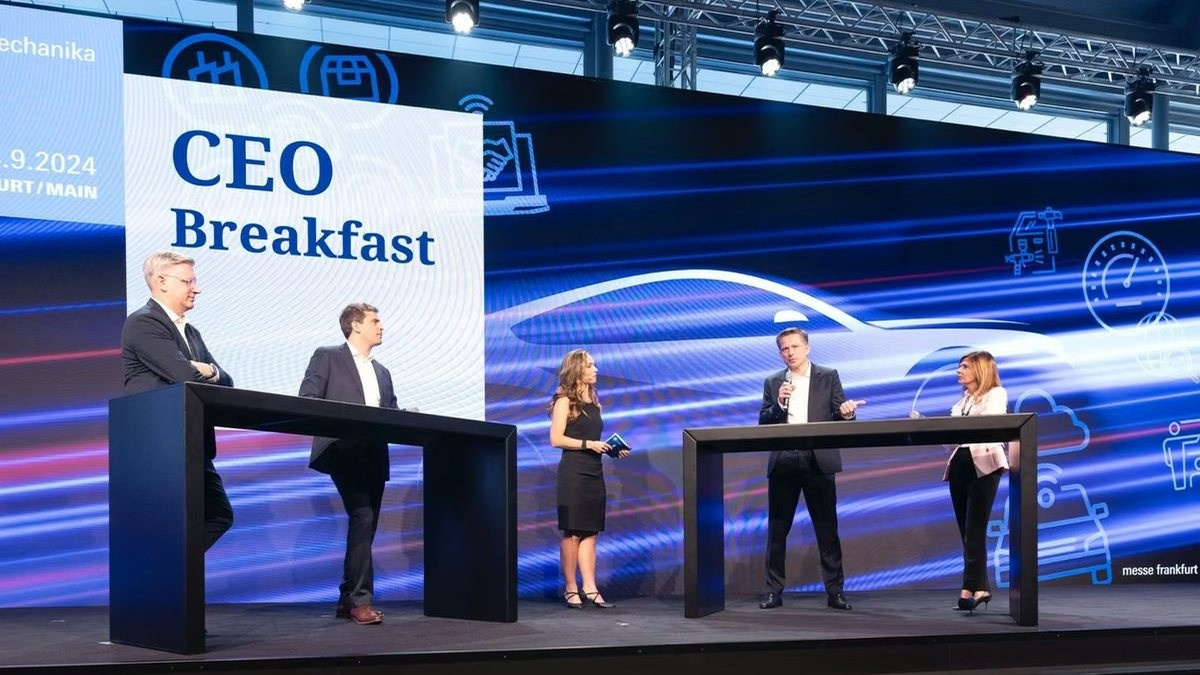
Corporate Event Photo & Video Company Dubai: How to Choose
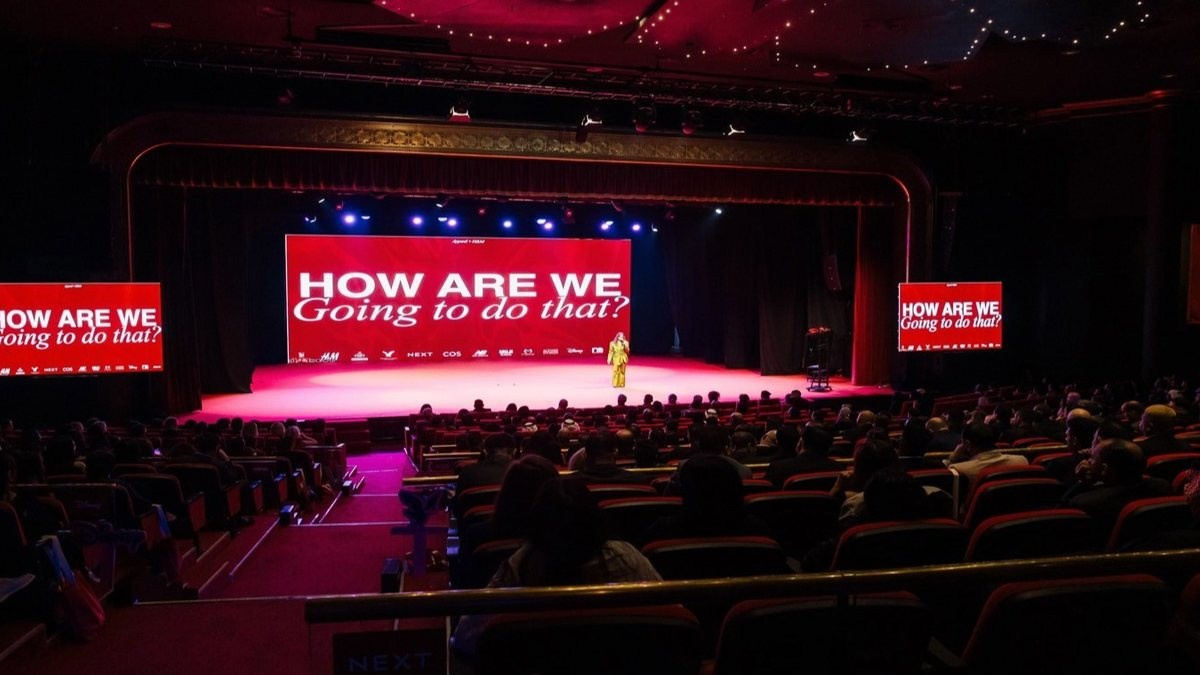
What Should Be Included in a Corporate Event Photography and Video Quote?


Public vs Private Live Streaming for Corporate Events

Live Streaming vs Recording an Event: Which Should You Choose?


