
An event highlight video and a full event recording may be created at the same conference, but they are different products.
A highlight video communicates atmosphere, scale and key moments in a concise story. A full recording preserves complete speeches, panels or training sessions. The difference changes the camera positions, audio workflow, crew, storage and editing plan.
This guide explains what businesses and event organisers in Dubai and across the UAE should expect from each format, when both are required and what to define before booking corporate event videography.
The Short Answer
Choose an event highlight video when the objective is promotion, social media, sponsor communication or a memorable recap. Choose full event recording when complete presentations must remain available for education, internal communication, registered attendees or an archive.
Many corporate events need both. They should be planned as separate deliverables because a team filming selected creative moments for a short highlight may not be recording every session continuously.
What You Will Learn
- What an event highlight video includes
- What full event recording requires
- How cameras and audio differ between the formats
- When one production team can create both
- Which deliverables to include in the brief
What Is an Event Highlight Video?
An event highlight video is a short edited summary designed to communicate the experience rather than reproduce the complete programme.
It may include:
- Venue and branding
- Guest arrivals and registration
- Short speaker excerpts
- Audience reactions
- Networking
- Exhibition stands or activations
- Awards and key announcements
- Executive or attendee comments
- Music, graphics and event information
The editor builds a clear beginning, middle and end from selected moments. The final video may be used to promote the next event, show the value of the current edition or support corporate communications.
What Is a Full Event Recording?
A full event recording preserves complete content such as a keynote, panel discussion, training session, town hall or product presentation.
The viewer should be able to follow the session from beginning to end. This requires continuous camera coverage, reliable speech audio and, where relevant, presentation slides.
The final deliverable may be:
- One complete recording
- Separate files for every session
- Individual speaker or agenda chapters
- A clean programme feed from a live production
- A private internal archive
Full recording prioritises continuity and information. It can still look polished, but it follows a different production priority from a fast promotional edit.
The Main Difference Is Purpose
A highlight asks: what should someone feel and remember about this event?
A full recording asks: what information must remain available after the event?
That distinction should guide every technical decision. If the objective is unclear, the crew may capture strong atmospheric footage but miss part of an important presentation, or create hours of continuous footage without the visual variety needed for an engaging recap.
Camera Coverage for a Highlight Video
Highlight production benefits from mobility and visual variety.
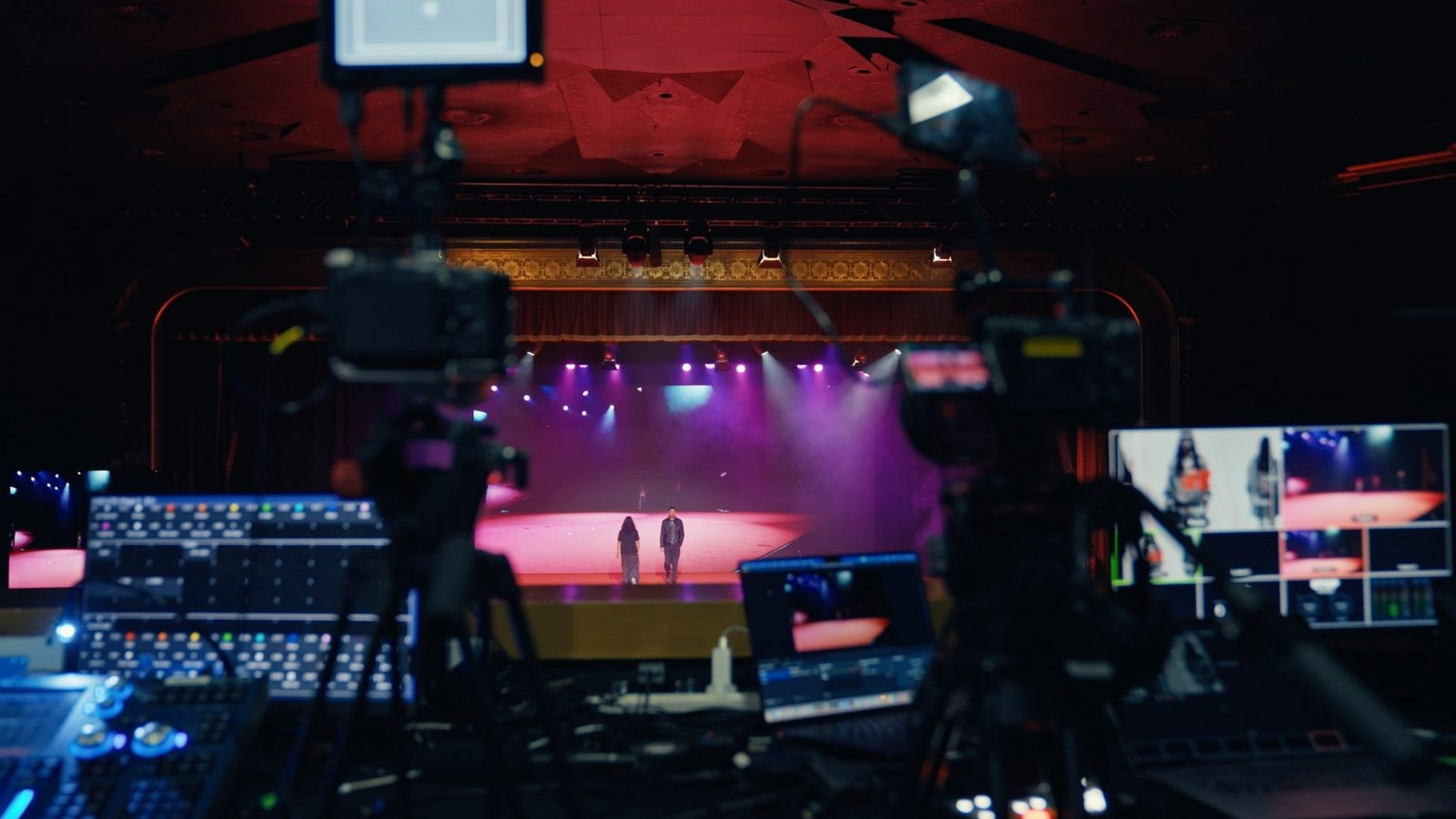
The videographer may move between the stage, audience, registration, networking and branded areas. A handheld camera, tripod, monopod or stabiliser may be used according to the environment.
The team collects wide views, medium interactions, details, reactions and movement. Speakers may be recorded selectively for short meaningful excerpts rather than continuously.
This approach creates a strong visual library, but it does not guarantee that every word of every presentation is available.
Camera Coverage for Full Recording
A complete session needs at least one camera position that can remain stable and unobstructed throughout the programme.
Additional cameras may provide:
- Close views of individual speakers
- A wide safety angle
- Panel coverage
- Audience questions
- Presentation or demonstration detail
Fixed positions should not block guests or depend on an aisle that will later be used for service or audience movement.
If one operator leaves the room to film networking footage, the recording still needs reliable coverage. This is why combined deliverables often require more than one videographer.
Audio for Highlight Videos
A highlight may use short sections of keynote audio, interviews, applause and natural event sound under music.
Speech still needs a clean source. The production team may receive a feed from the venue sound system and create a separate backup. Short comments recorded in a noisy networking area may need dedicated microphones.
Music cannot solve unintelligible speech. If the final concept includes executive statements or testimonials, audio planning should be part of the original scope.
Audio for Full Recordings
Full-session audio must remain clear and consistent for the entire programme.
The workflow may include:
- Direct feed from the venue mixer
- Individual microphone channels
- Backup recorder
- Audience-question microphones
- Remote speaker audio
- Room ambience at a controlled level
The team should test every microphone before the session. A panel can sound acceptable in the room while one speaker is missing from the recording feed.
Presentation Slides
Slides may appear briefly in a highlight, but they are often essential in a full recording.
Filming the venue screen from the back of the room may make small text unreadable. A direct presentation feed provides clearer information and can be displayed full-screen or beside the speaker.
Confirm how slides, videos and embedded audio will be delivered to the production team. Last-minute laptop changes can affect connectors, resolution and audio routing.
Editing a Highlight Video
Highlight editing is selective and narrative.
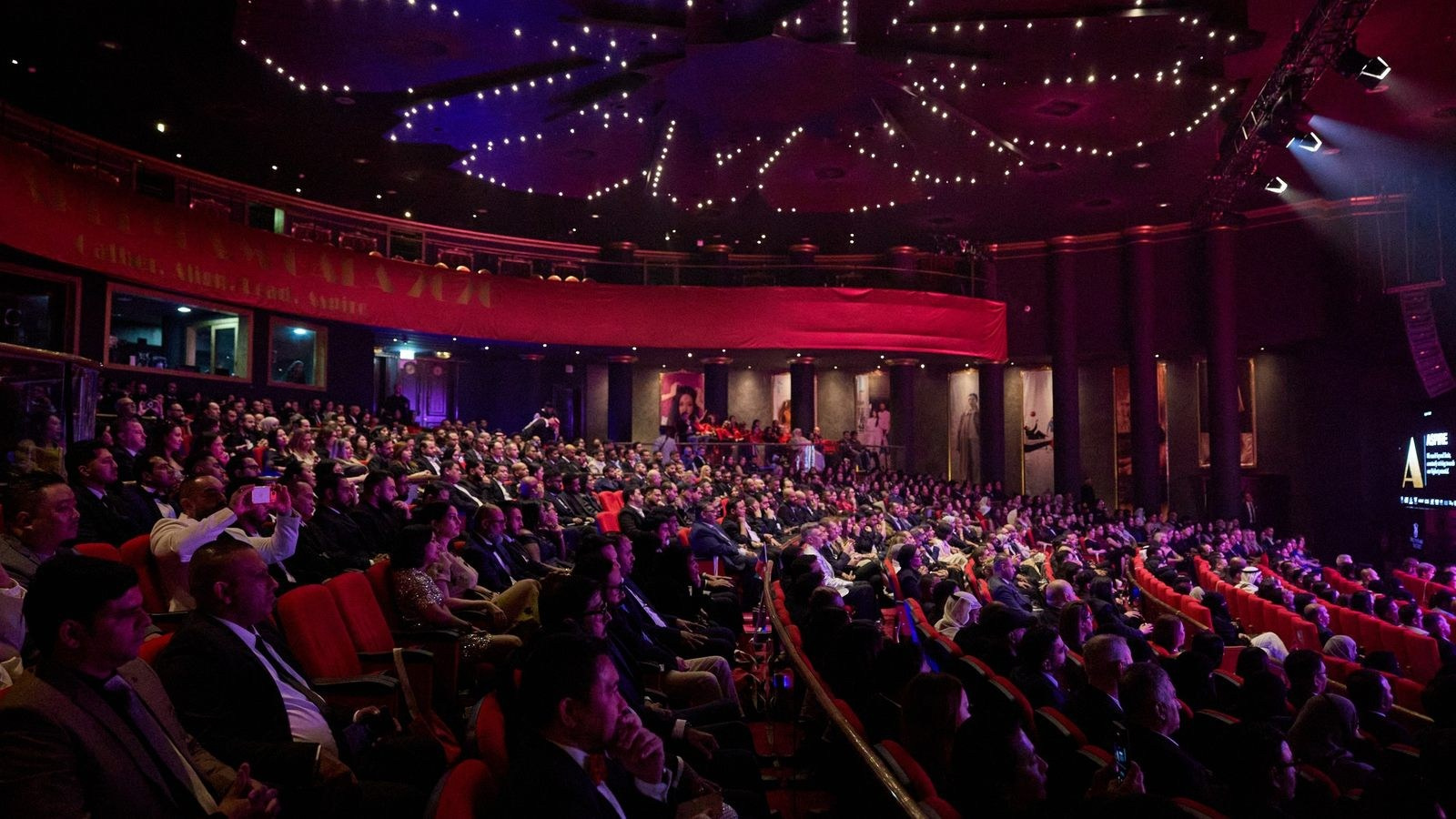
The editor reviews the footage, chooses the strongest moments, builds pacing, integrates music, balances speaker excerpts and adds branding. The final duration may be short, but the selection process can involve many hours of material.
Useful decisions include:
- Target audience
- Primary message
- Approximate duration
- Speaker or sponsor priorities
- Music direction
- Required vertical versions
- Call to action
A promotional edit should not become a chronological list of every agenda item. It should communicate the event’s value clearly.
Editing a Full Recording
Full recording editing prioritises continuity, clarity and organisation.
Post-production may include synchronising cameras and audio, switching angles, adding slides, correcting colour, cleaning sound, adding speaker titles and removing breaks before or after the session.
Long recordings may be divided into chapters or separate files. The editor needs the final agenda and exact spelling of speaker names and roles.
Removing substantial sections from the middle of a panel can create visual and conversational jumps. Define whether the client expects a complete documentary record or a shortened educational edit.
Delivery Times Differ
A small selection of event footage can be edited quickly only when the workflow is planned for speed. A same-day highlight may require an editor at the venue, approved graphics, music and fast file transfers.
Full recordings can involve large files, long exports and detailed quality checks. Several simultaneous rooms multiply the post-production and delivery workload.
Do not assume that an unedited long recording will always be delivered immediately. The files may still require synchronisation, audio checks, trimming, naming and upload.
File Size and Storage
Complete multi-camera sessions create significantly more data than selected highlight footage.
The production plan should consider camera media, backup copies, editing storage, upload time and how long the project will be retained after final delivery.
Clients should confirm whether they need the final edited recordings, the live programme feed, individual camera files or raw production material. These are different deliverables.
When a Highlight Video Is Enough
A highlight may be sufficient for networking events, corporate celebrations, award evenings, exhibition activations and launches where the main objective is atmosphere and future promotion.
It may also be enough when full speeches are confidential, not intended for reuse or already distributed through another system.
Even then, record important executive statements carefully if they are expected to appear in the edit.
When Full Recording Is Essential
Complete recording is usually important for training, conferences, internal announcements, regulated communications, shareholder information, technical demonstrations and sessions sold or shared after the event.
If missing a section would create a business problem, it should be treated as a dedicated recording requirement rather than optional highlight footage.
When You Need Both
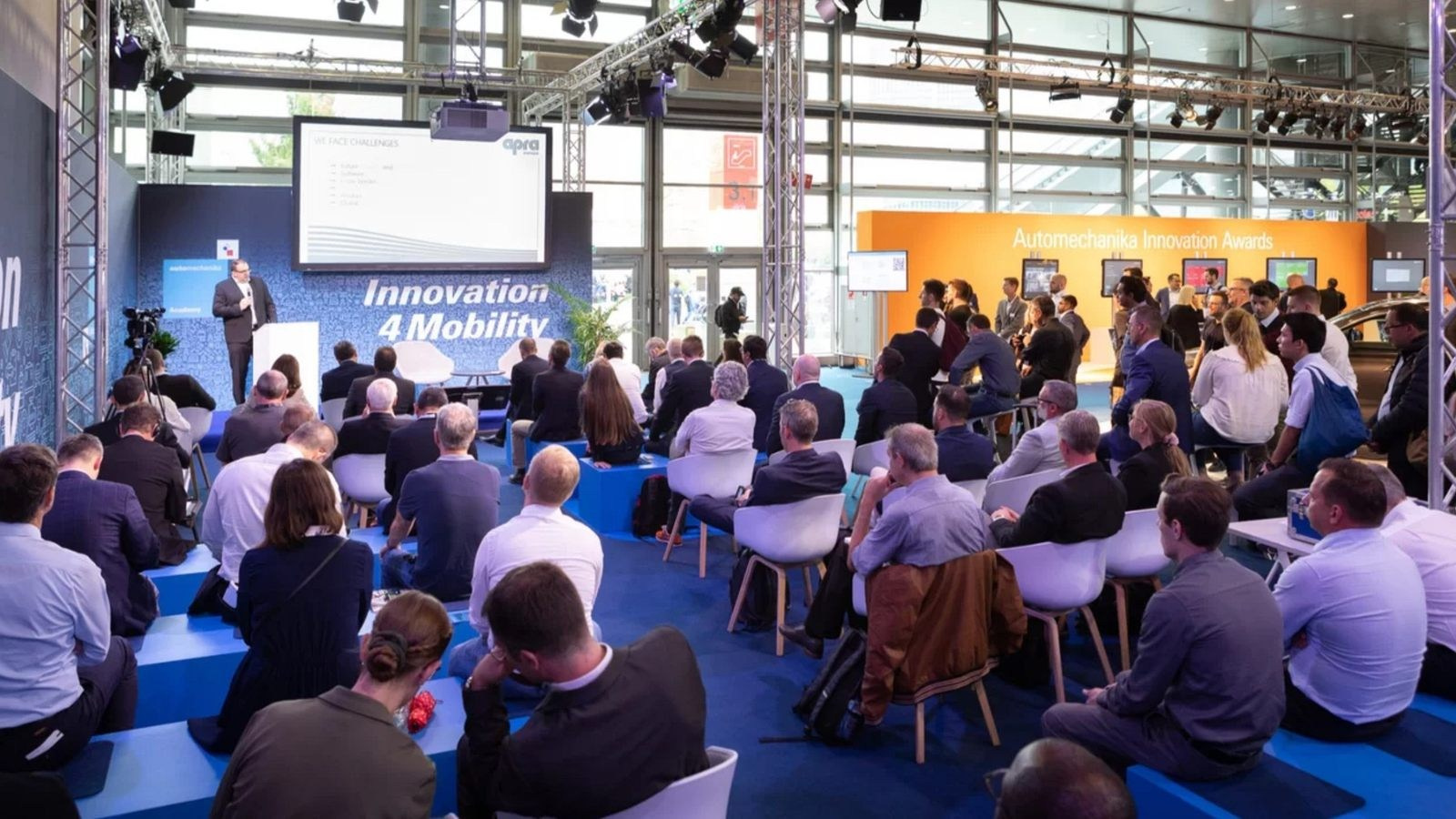
Many conferences and corporate events need a content system rather than one video.
A coordinated scope may include:
- Complete keynote recordings
- Complete panel recordings
- One event highlight
- Vertical social clips
- Executive interviews
- Photography
- Live streaming
The crew can share some cameras, audio and presentation sources, but each deliverable needs clear ownership. A fixed camera may protect the session while another operator captures creative footage around the venue.
How Crew Size Changes
A simple one-room presentation may be covered with a compact team. Multiple rooms, interviews, photography, live streaming and same-day editing require additional specialists.
The event structure matters more than guest count. A small conference with three simultaneous sessions can require more recording positions than a large audience watching one stage.
Ask who will remain responsible for continuous recording when other important moments happen elsewhere.
Live Streaming Is a Separate Decision
A live stream may use the same cameras and audio as a full event recording, but transmission adds switching, encoding, internet, platform management and real-time risk.
The platform recording is not always a substitute for local masters. It may include interruptions, lower quality or only the final programme feed.
If the event is streamed, confirm which local camera and audio files will also be recorded for later editing.
How to Brief the Production Company
Share the agenda, venue plan and required outputs before requesting a final proposal.
Identify:
- Sessions requiring complete recording
- Target duration and purpose of the highlight
- Simultaneous rooms
- Speaker and sponsor priorities
- Presentation sources
- Interview requirements
- Vertical and horizontal formats
- Delivery deadlines
- Privacy and access requirements
Use the phrase “event video” only after the actual deliverables have been defined.
What Should the Quote Specify?
A clear quotation should list crew roles, coverage hours, cameras, audio, presentation capture, recording method, highlight duration, complete-session outputs, graphics, subtitles, revisions, delivery schedule and overtime conditions.
Compare proposals by deliverables and reliability, not only by event hours. Two eight-hour video packages may produce completely different results.
Common Mistakes
Assuming a Highlight Includes Every Speech
Creative coverage may use only short excerpts and may not record every session continuously.
Requesting Full Recordings After the Event
Missing camera or audio coverage cannot be recreated in post-production.
Relying on One Mobile Operator for Everything
Continuous recording and venue-wide highlight coverage can conflict.
Ignoring Presentation Capture
Detailed slides may be unreadable when filmed only from the audience.
Using Only the Venue Audio
The room may sound acceptable while the recording feed is incomplete or distorted.
Leaving Final Duration Undefined
A 60-second recap and a five-minute event film require different editing decisions.
Frequently Asked Questions
Can one team create both formats?
Yes, when the crew, cameras and workflow are planned for both continuous recording and creative event coverage.
Can a highlight be created from a full recording?
Sometimes, but fixed session footage may not include the arrivals, networking, details and movement needed for a strong promotional edit.
Can full recordings be created from highlight footage?
Not reliably. Selective clips do not preserve complete speeches or uninterrupted audio.
Do full recordings need several cameras?
One camera may document a controlled presentation, while panels, demonstrations and higher production expectations benefit from additional angles.
Should each session be a separate file?
Separate named files are usually easier to publish and navigate. The delivery structure should follow the agenda and audience needs.
Can both formats be combined with live streaming?
Yes. Confirm local recording, clean camera files and post-event deliverables separately from the transmitted stream.
Conclusion
An event highlight video and a full event recording solve different communication problems.
The highlight turns selected moments into a concise promotional story. The full recording protects complete information and makes sessions available after the event.
Define the purpose of each deliverable before choosing crew and equipment. When both are needed, plan continuous coverage and creative coverage together so one objective does not compromise the other.
Planning Corporate Event Video Production in the UAE?
GSP Media provides corporate event videography, photography and live streaming for conferences, panels, launches, exhibitions and business events in Dubai and across the UAE.
We can help define the right combination of highlight content, complete recordings and platform-ready deliverables for your programme.

Public vs Private Live Streaming for Corporate Events

Live Streaming vs Recording an Event: Which Should You Choose?

How to Maintain Consistency Across a Fashion Ecommerce Catalogue


AI Content vs Traditional Photography and Video: What Should Your Brand Use?

How to Prepare Product References for AI Content Production

How Many Product Images Does an Ecommerce Product Page Need?

What Affects the Cost of Professional Live Streaming in Dubai?

How to Plan Photography and Video for a New Fashion Collection

How Product Photography Pricing Is Calculated

