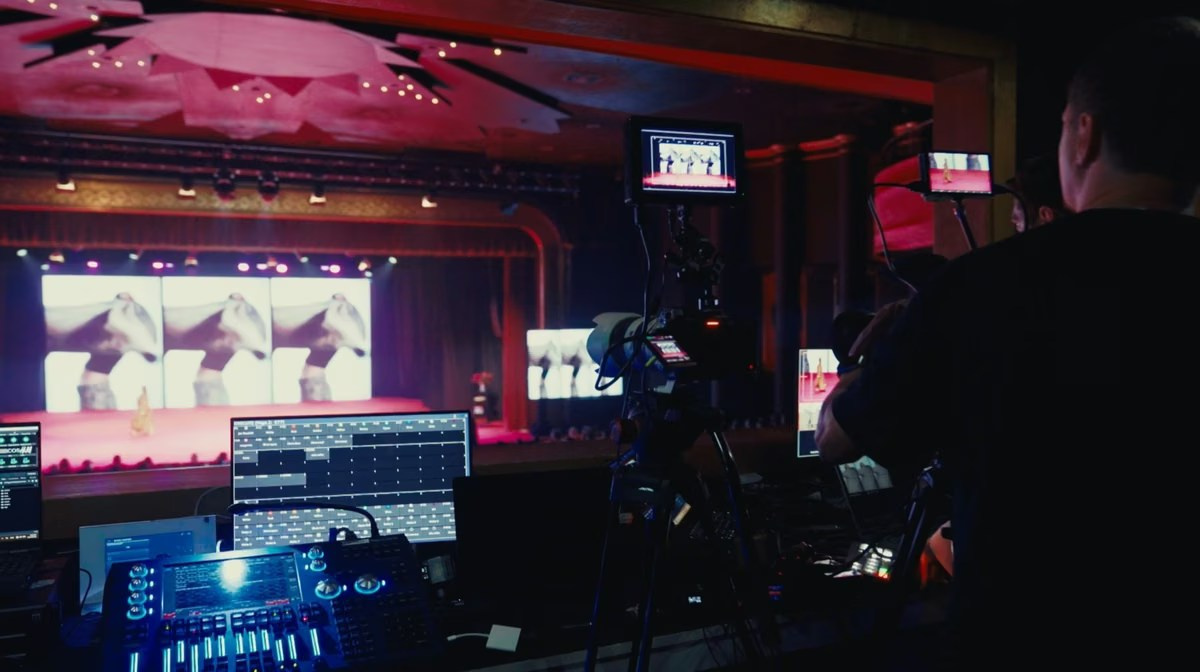
Product photography pricing is rarely determined by the number of products alone.
Two brands may each have twenty products, yet one project can be completed through a repeatable white-background workflow while the other requires reflective-surface lighting, custom props, hand models, compositing and several delivery formats. This guide explains how professional product photography pricing is calculated in Dubai and across the UAE, which production decisions affect a quotation and what a brand should provide to receive an accurate proposal without relying on a generic price list.
The Short Answer
Product photography may be quoted per final image, per product or SKU, by production time, or as a complete project. The appropriate model depends on how repeatable the images are. The final scope is usually affected by product quantity, number of angles, creative direction, surfaces, styling, studio requirements, talent, retouching, video, delivery formats, schedule and usage. A useful quotation should connect these production elements to defined deliverables rather than provide one unexplained total.
What You Will Learn
- Which pricing models are commonly used
- Why product count is not enough to calculate a project
- How white-background and creative photography differ
- Which product surfaces require additional work
- How retouching and video affect the scope
- What information belongs in a useful brief
- How to compare two product photography quotations
Start With the Required Deliverables
Pricing becomes clearer when the brand first defines what it expects to receive. Possible deliverables include:
- White-background catalogue images
- Creative campaign photographs
- Lifestyle images with props or locations
- Detail and texture photographs
- Packaging and group compositions
- Horizontal website banners
- Vertical social media content
- Short product videos or reels
- Marketplace-ready exports
- High-resolution files for print
“Photograph our products” is not yet a complete scope. A catalogue team may need four consistent angles for every SKU, while a marketing team may need only a small number of carefully art-directed hero images. The production and post-production processes are different.
Per Image, Per Product, Per Shoot or Per Project?
Several quotation models can be appropriate. The best one depends on how predictable and repeatable the work is.
Per Final Image
Per-image pricing can work when the image specification is highly consistent. For example, every product may require the same background, angle, shadow style and retouching level. The quote should still define what counts as a final image. One product photographed from four angles normally creates four deliverables, even though there is only one SKU.
Per Product or SKU
A per-product structure can be useful when every SKU follows the same shot list. It becomes less accurate when products vary greatly in size, material, packaging or required styling. Colour variants also need clarification. Photographing every colour separately is different from photographing one version and creating controlled colour variations in post-production.
By Production Time
A half-day or full-day structure may suit creative work, changing compositions, talent-led content or projects in which the precise image count cannot be predicted before the shoot. Production time should not be confused with final delivery time. Preparation, file management and retouching continue after the camera work is complete.
Complete Project Fee
A project fee combines the agreed pre-production, shoot, crew, equipment, post-production and deliverables into one defined scope. This can make responsibilities easier to understand when a production includes several specialists or different content formats.
Hybrid Structure
Some projects are most accurately quoted through a combination. The production may have a fixed setup and crew component, followed by a per-image retouching component or optional additional deliverables.
Number of Products, Variations and Angles
Product count is important, but the production company also needs to know:
- How many unique SKUs are included
- How many colour or packaging variations exist
- How many angles are needed for each item
- Whether sets, bundles or collections must be photographed together
- Whether every item follows the same visual specification
A catalogue of one hundred small products may be efficient when one approved lighting setup can be repeated. Ten unrelated hero products may require more production time if every image has a separate concept. A clear SKU list prevents duplicate work and helps the team plan naming, tracking and delivery.
White-Background, Lifestyle and Creative Photography
These formats should not be treated as interchangeable.
White-Background Photography
Catalogue and marketplace images are normally built around consistency. The camera position, scale, lighting, shadow and crop must remain controlled across the range. The workflow can become efficient after the first approved test image, especially when products are similar. Preparation and retouching are still required, but the visual system is repeatable.
Lifestyle Photography
Lifestyle images place the product in a setting or context. They may require a location, props, surfaces, food or floral styling, talent and more time for composition.
Creative Campaign Photography
Campaign images are often developed individually. Art direction, set building, lighting tests, special effects and advanced post-production may be part of the scope. The guide White Background vs Lifestyle Product Photography explains how the two formats support different sales and marketing objectives.
Product Size, Weight and Handling
A small cosmetics bottle and a large appliance cannot follow the same physical workflow. Pricing may be affected by:
- Transport and loading
- Assembly or installation
- Fragile-product handling
- Cleaning between takes
- Keeping chilled or perishable products ready
- Safety requirements
- Space needed around the product
Brands should provide dimensions and reference photographs before the quote. Packaging can make an item appear much smaller online than it is in the studio.
Reflective, Transparent and Dark Surfaces
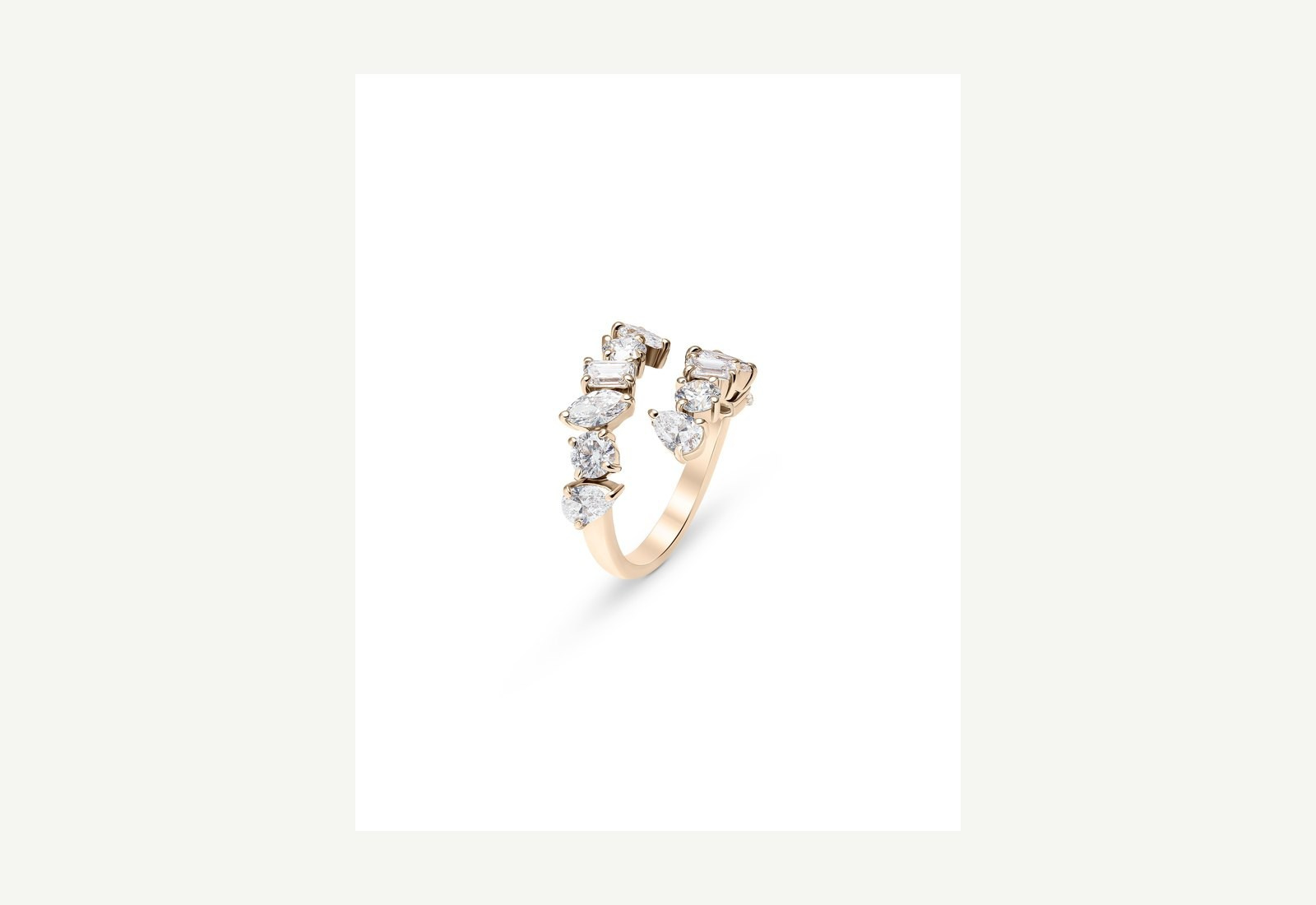
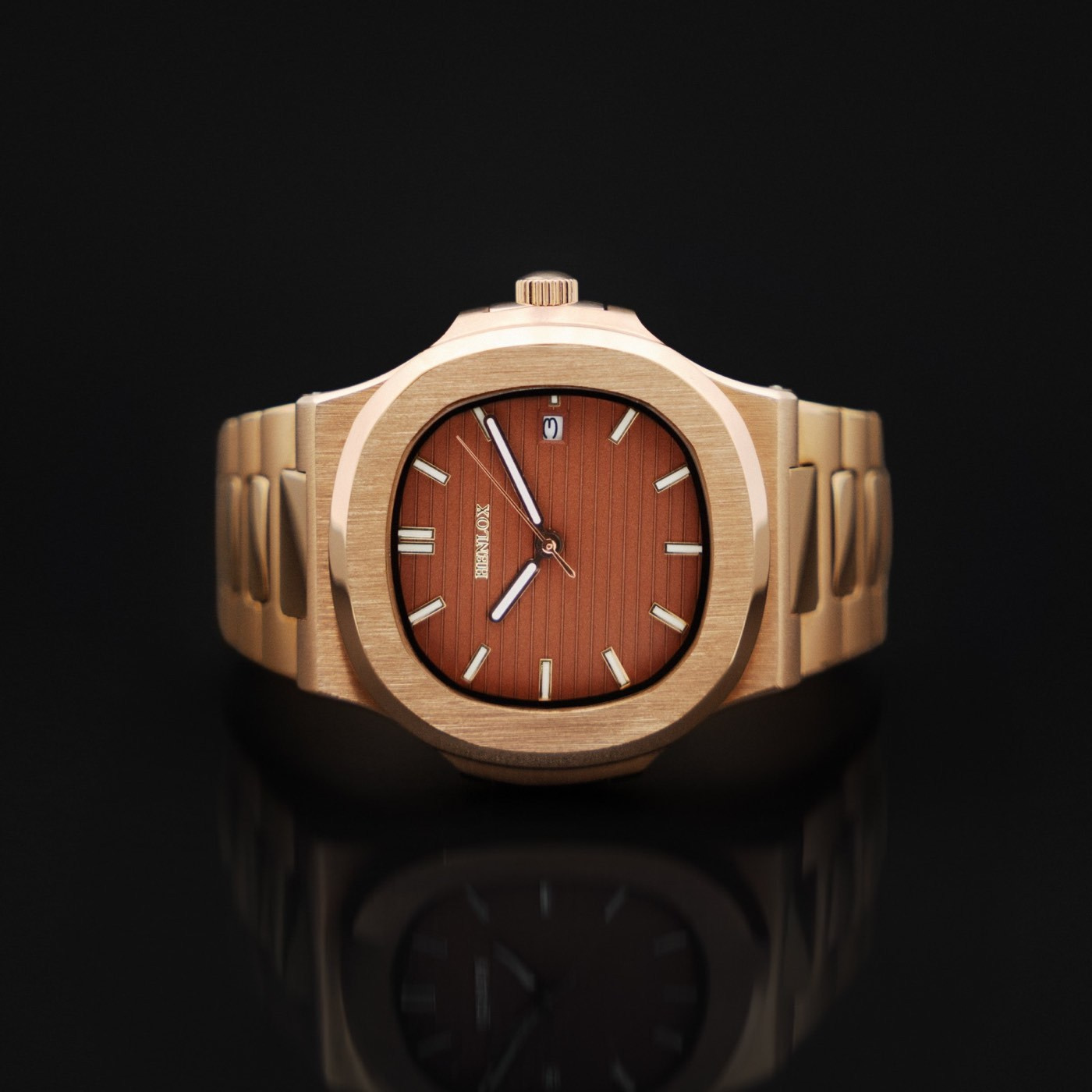
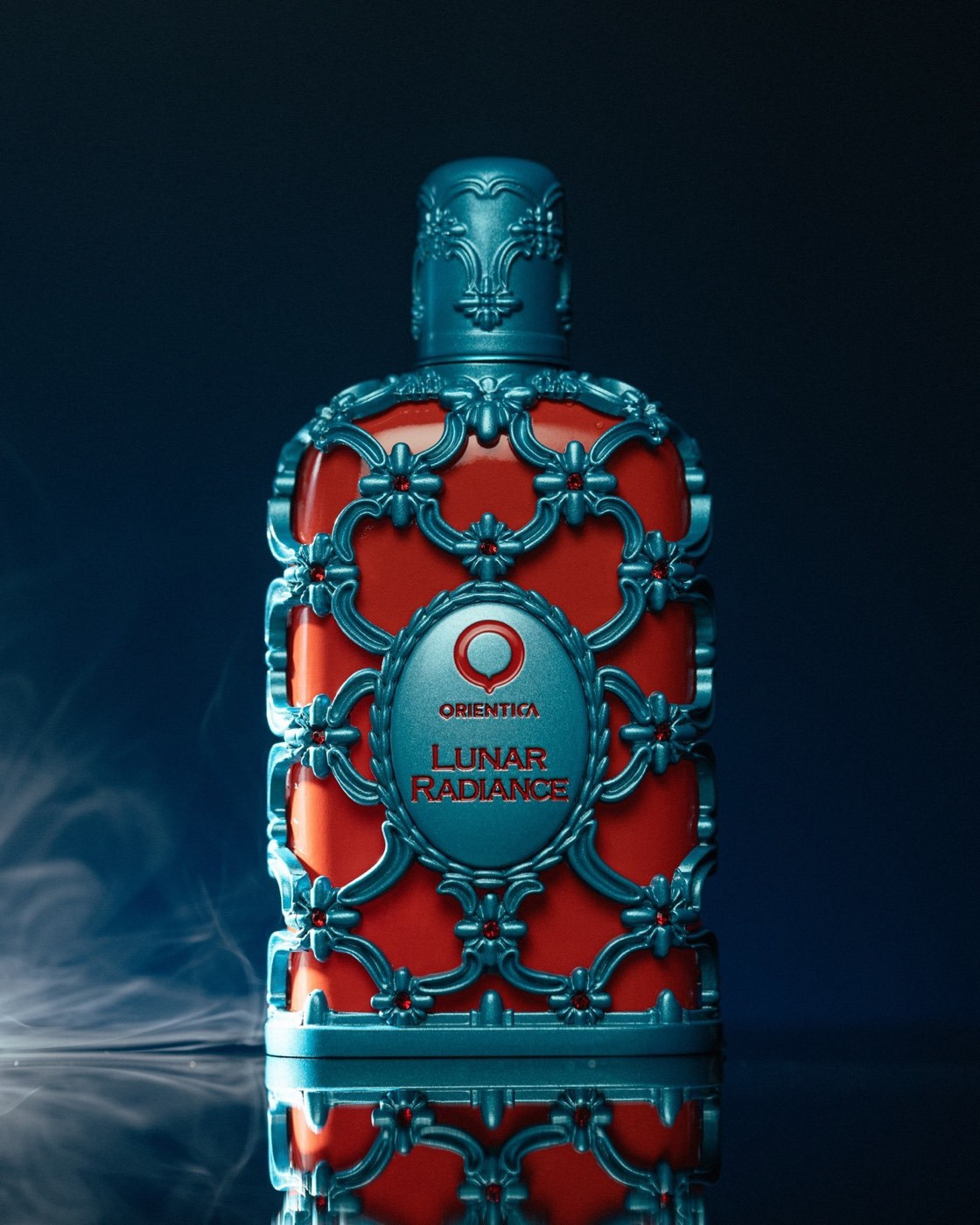
Surface behaviour is one of the most important technical factors. Watches, jewellery, chrome, glossy electronics, glass bottles and polished packaging reflect the studio environment. Their appearance must be built through controlled reflections rather than simply illuminated from the front. Transparent products may require separate lighting for the edges, contents, label and background. Black products may need precise highlights to remain visible without appearing grey. These products often require additional lighting tests, cleaning, capture techniques and detailed retouching. A photograph of the actual product is more useful for quoting than a general category such as “beauty” or “electronics.”
Pre-Production and Creative Development
Some assignments begin with an approved shot list. Others require the production company to develop the visual direction. Pre-production may include:
- Creative consultation
- Moodboard development
- Shot-list planning
- Reference testing
- Prop and surface sourcing
- Set sketches
- Production schedule
- Logistics and product tracking
A quotation should state whether the client supplies the final concept or expects the team to create it.
Props, Styling and Set Construction
Props can range from a simple coloured paper surface to a custom-built set. Styling may involve precise placement, liquid effects, food preparation, flowers, textures or seasonal elements. Confirm responsibility for sourcing, purchasing, transporting and returning props. If a client supplies props, they should still be reviewed for scale, colour, condition and compatibility with the product. Custom sets may require testing before the shoot. A concept that appears simple in a reference image can depend on specialist materials, rigging or compositing.
Studio or On-Location Production
Studio work provides control over light, power, backgrounds and access to equipment. On-location work may be necessary when products cannot be transported or when the environment is part of the concept. An on-location quote may include travel, loading, permissions, power, weather planning and additional setup time. Production in Abu Dhabi, Sharjah, Ras Al Khaimah, Ajman, Fujairah, Al Ain or another UAE location should account for transport and call times from the beginning.
Models, Hand Models and Specialists
Some products need to be shown in use. The scope may include:
- Models
- Hand or foot models
- Hair and makeup
- Wardrobe styling
- Food or prop styling
- Product technicians
Talent selection, usage, schedule and preparation should be defined before booking. A product-only quotation does not automatically include these specialists.
Photography and Video in One Production
Creating photographs and short-form video together can be efficient because the same product, set and crew are already prepared. It still needs a coordinated schedule. Photography may require precise lighting and a fixed composition, while video may require movement, longer actions, sound or different framing. Some sets can support both formats with small changes; others must be rebuilt or relit. The article Product Photography vs Product Videography helps define which deliverables the brand actually needs.
Retouching Level
“Retouching included” should be explained in the proposal. Standard editing may include:
- Exposure and colour adjustment
- Crop and alignment
- Background cleanup
- Removal of minor dust and marks
- Exporting agreed formats
Advanced work may include:
- Complex reflection control
- Surface reconstruction
- Compositing several captures
- Shape corrections
- Label replacement
- Colour variation creation
- Large-format campaign finishing
The expected result and level of imperfection removal should be agreed through references or an approved test image.
Colour Accuracy and Product Variations
Accurate colour becomes especially important for cosmetics, fashion accessories, materials and products sold in several shades. A controlled capture and colour-managed workflow can reduce variation, but screens and viewing environments still differ. If the brand has physical colour standards, packaging proofs or approved reference samples, they should be supplied. Creating colour variants in post-production may be efficient for identical products, but it is not appropriate when texture, transparency, stitching or material behaviour changes between versions.
Delivery Formats and Crops
One master image may need several exports, but every format should be defined. Possible requirements include:
- Marketplace dimensions
- Transparent-background PNG files
- High-resolution print files
- Web-optimised JPEG files
- Horizontal and vertical crops
- Images with space for copy
- Files organised by SKU
Designing the composition for several aspect ratios during the shoot is more reliable than discovering after production that a tightly framed image cannot be cropped for a vertical placement.
Schedule, Approvals and Revisions
Urgent delivery can require extra crew, parallel editing or changes to the approval process. The quotation should define:
- Product arrival deadline
- Test-shot approval
- Shoot dates
- Selection responsibility
- First delivery
- Revision rounds
- Final delivery
Slow approvals can interrupt an otherwise efficient catalogue workflow. One authorised decision-maker and clear response deadlines help protect the schedule.
Does Higher Volume Reduce the Cost Per Image?
Volume can improve efficiency when products share the same setup, shot list and retouching standard. The initial lighting and approval process is distributed across more deliverables. Volume does not create the same efficiency when every product needs a separate creative concept, different props or advanced finishing. A large number of inconsistent items can actually increase tracking and quality-control requirements. Ask the production company which parts of the workflow are repeatable and which remain individual.
What Should Be Included in the Quote?
A clear product photography proposal should define:
- Number of products and variations
- Number and type of final images
- Creative development
- Studio or location
- Crew and specialists
- Equipment and set requirements
- Props and talent
- Photography and video scope
- Retouching level
- File formats and organisation
- Timeline and approvals
- Revision policy
- Travel or logistics
- Any exclusions or optional services
How to Prepare an Accurate Brief
Provide the following before requesting a final quotation:
- SKU list with product names and variations
- Reference photographs and dimensions
- Required angles for each product
- White-background, lifestyle or campaign requirements
- Examples of the desired visual standard
- Final channels and aspect ratios
- Retouching expectations
- Required delivery date
- Product location and transport plan
- Approval contact
The preparation guide How to Prepare Products for a Commercial Photoshoot explains how to check samples, packaging and the SKU list before production.
How to Compare Product Photography Proposals
Compare proposals line by line rather than looking only at the final total. Check whether each includes the same number of images, preparation, studio, props, talent, retouching, formats, revisions and delivery schedule. One proposal may appear lower because it covers basic capture only, while another includes the complete finished content package. The correct scope is not automatically the largest. It is the one that produces the files the brand can actually use.
Frequently Asked Questions
Is product photography always priced per image?
No. Per-image pricing can suit repeatable catalogue work, while creative productions may be quoted by time or as a complete project.
Why can two similar products have different photography costs?
Their surfaces, size, handling, styling, required angles and retouching may be different even when the products belong to the same category.
Does white-background photography cost less than lifestyle photography?
It is often more repeatable, but the actual scope still depends on product complexity, quantity, angles and retouching. Lifestyle work may add locations, props, talent and art direction.
Is retouching included in product photography?
Some level of editing is normally required, but the quotation should define whether it covers standard cleanup or advanced compositing and surface work.
Can photography and product video be created in the same shoot?
Yes. It can be efficient when planned together, although video may require different lighting, movement, crew and delivery formats.
Do you provide product photography outside Dubai?
Yes. GSP Media can plan product photography and video productions across the UAE, with travel and equipment logistics defined in the scope.
Conclusion
Product photography pricing is calculated from the complete production workflow, not one product count or camera day. The most important factors are the number and type of deliverables, repeatability, product surfaces, creative direction, styling, crew, retouching, formats and schedule. A detailed brief allows a production company to recommend an efficient approach and explain exactly what the brand will receive. It also makes competing proposals easier to compare. GSP Media provides professional product photography and videography for brands, agencies, ecommerce businesses and marketing teams in Dubai and across the UAE. We can help define the shot list, production workflow, retouching level and final delivery formats before preparing a tailored quotation.
Blog

What Should Be Included in a Video Podcast Production Quote?


How Many Short Videos Can You Create From One Video Podcast?
Ecommerce Fashion Photography vs Campaign Photography
Product Photography vs Product Videography: What Does Your Brand Need?
How to Prepare Clothing for an Ecommerce Fashion Photoshoot
White Background vs Lifestyle Product Photography
Ecommerce Fashion Photography: Model, Mannequin or Flat Lay?
How to Prepare Products for a Commercial Photoshoot

Corporate Podcast vs Video Interview: Which Format Is Right for Your Business?

How to Prepare a Corporate Event Photography and Video Brief

How to Prepare a Venue for Professional Live Streaming
How Multi-Camera Live Streaming Works
How Multi-Camera Video Podcast Production Works