Ecommerce fashion photography and campaign photography may feature the same collection, models and production team, but they are created for different business purposes. Ecommerce imagery helps a customer understand and compare products. Campaign imagery creates desire, communicates a point of view and gives the collection a recognisable world. When brands treat the two as interchangeable, they often receive attractive images that do not explain the product or a catalogue that lacks a memorable identity. This guide explains how the formats differ, when a fashion brand needs each one and how they can be planned together for production in Dubai and across the UAE.
The Short Answer
Ecommerce photography prioritises product clarity, consistency, accurate colour and repeatable angles. Campaign photography prioritises concept, emotion, styling, location and brand narrative. Most fashion businesses need both: a systematic ecommerce library for selling every SKU and a smaller campaign library for advertising, launches, social media and brand communication.
What You Will Learn
- What ecommerce fashion photography is designed to achieve
- What makes campaign photography different
- How styling, casting, lighting and locations change
- Which deliverables belong to each workflow
- When one production can create both
- How to prevent catalogue and campaign requirements from competing
Begin With the Business Objective
The same garment can be photographed to answer two very different questions.
- Ecommerce: What exactly am I buying, and how does it look from every useful angle?
- Campaign: What does this collection mean, and how should it make me feel?
These questions should guide the brief. Ecommerce content supports product pages and comparison. Campaign content supports attention, recognition and aspiration. A production can serve both objectives, but only when each has its own shot list and time allocation.
What Is Ecommerce Fashion Photography?
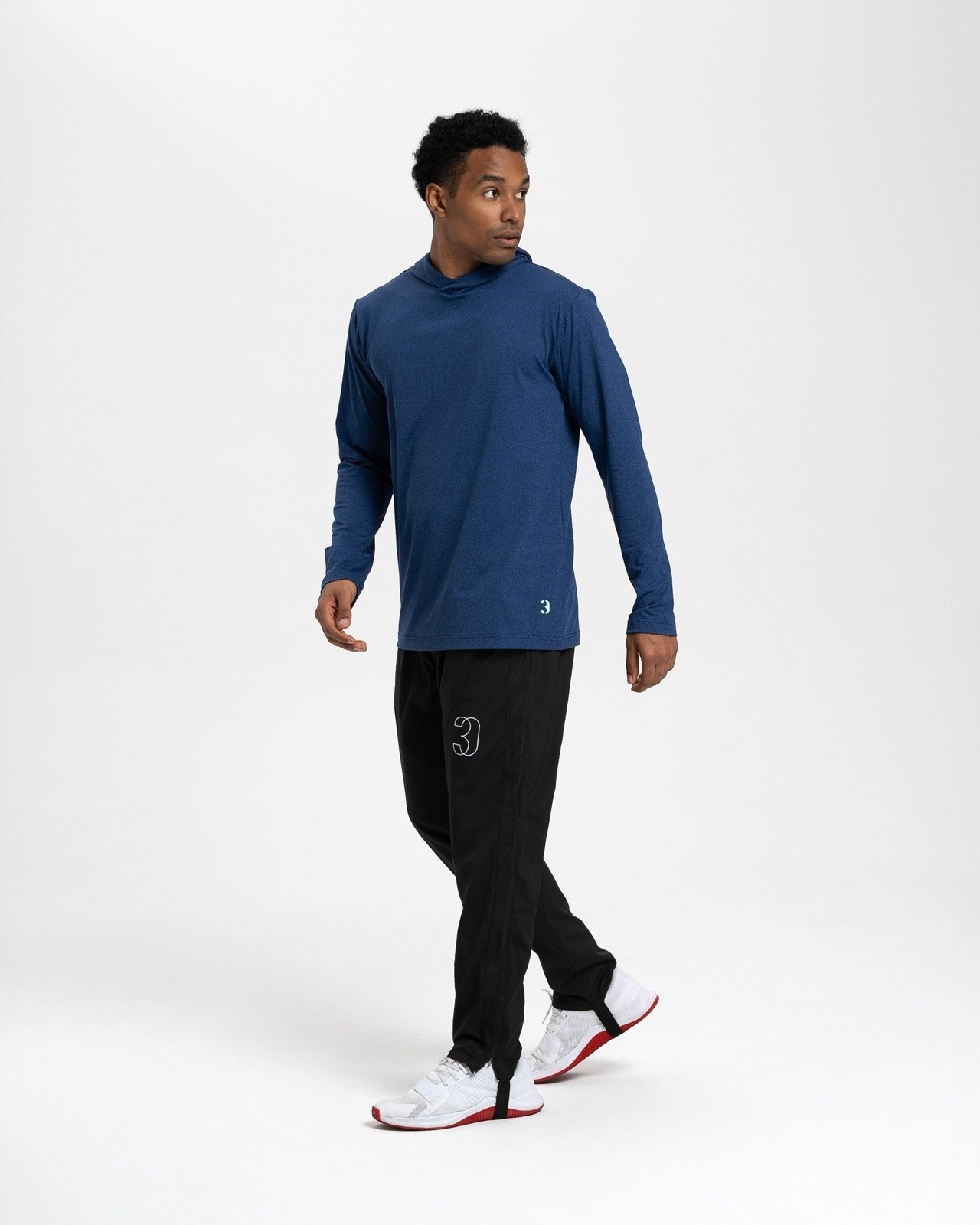
Ecommerce fashion photography is a repeatable visual system for selling clothing, shoes and accessories online. The images should make products easy to compare while representing fit, colour and construction accurately. Common deliverables include:
- Front, side and back views
- On-model catalogue images
- Mannequin or ghost-mannequin images
- Flat lays
- Fabric and feature close-ups
- Consistent crops and backgrounds
- Short movement clips for product pages
The production rules should be documented so new items can be added later without making the catalogue look disconnected.
What Is Fashion Campaign Photography?
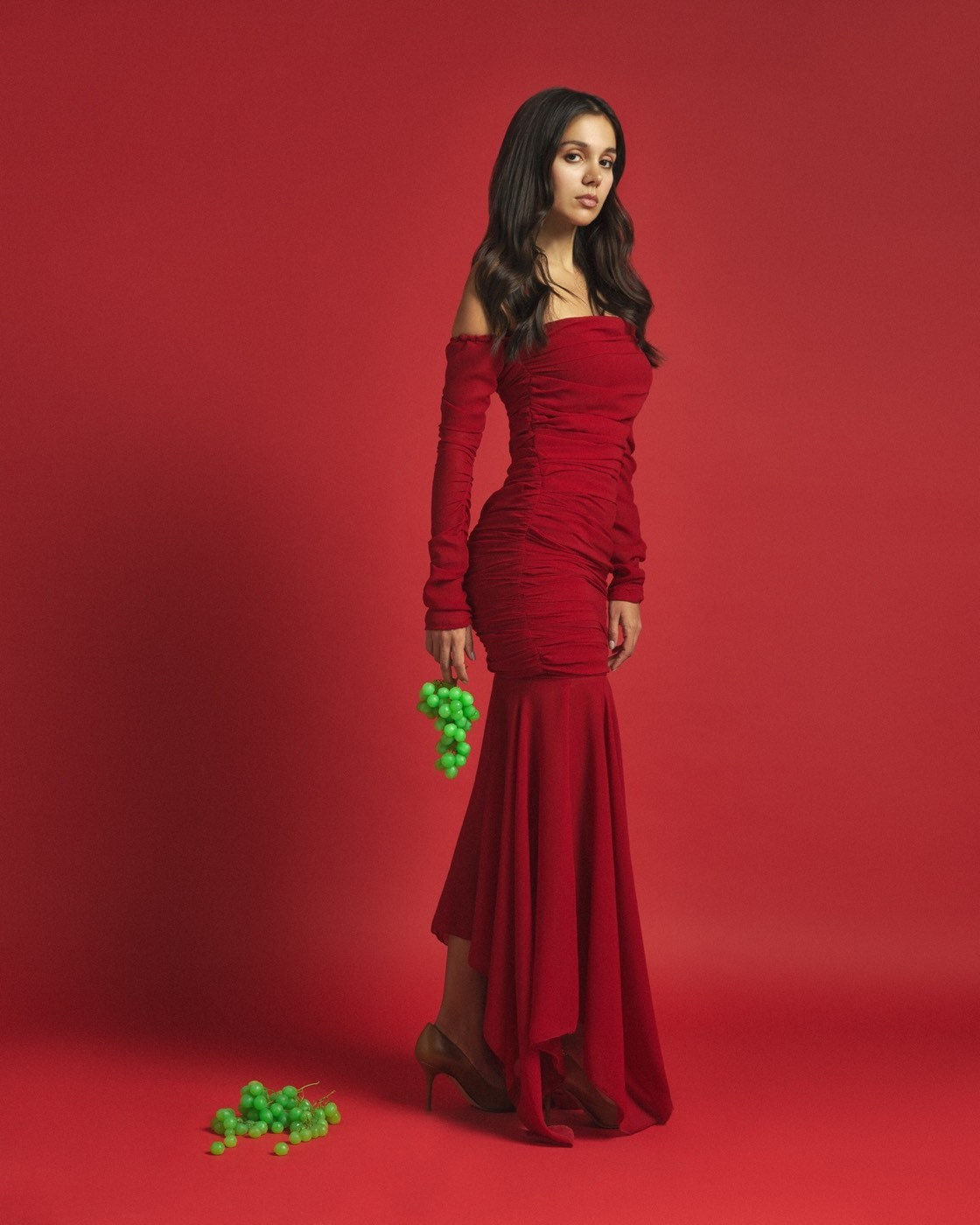
Campaign photography creates the central visual story for a collection, launch or seasonal message. It may appear in advertising, social media, lookbooks, press, retail displays, websites and outdoor placements. A campaign can involve:
- Creative direction and narrative
- Distinctive casting
- Location or set design
- Editorial styling
- Props and art direction
- More expressive posing and movement
- Photography and video designed as one visual world
Campaign images do not need to show every garment from every angle. They select the strongest looks and use them to represent the collection as a whole.
Product Clarity vs Brand Narrative
Ecommerce photography reduces uncertainty. Campaign photography creates meaning. In ecommerce, a dramatic pose should not hide the neckline, waist or hem. In a campaign, the same pose may be valuable because it communicates movement or attitude. A catalogue background is often simple so products remain comparable. A campaign environment may contribute as much to the message as the garment. Neither approach is inherently more creative or more professional. They are evaluated against different objectives.
Consistency Works Differently
Ecommerce consistency means predictable camera height, garment scale, model position, crop, background and editing. The customer should be able to compare two products without learning a new visual language on every page. Campaign consistency means a coherent idea across a smaller set of images. The angles and compositions may vary significantly, but the colour palette, styling, casting and atmosphere should feel intentional. A catalogue can contain hundreds of images following one template. A campaign may contain only a few hero frames, each requiring more individual refinement.
Casting Priorities
Ecommerce casting begins with sample fit and repeatability. The model must fit the approved size, show garments clearly and reproduce useful poses efficiently. Campaign casting begins with the concept and audience. Personality, movement, interaction and distinctive presence may be as important as measurements. One model can work for both, but the decision should be deliberate. If the campaign requires a cast that does not fit the ecommerce sample range, separate models or production blocks may be more effective.
Styling Priorities
Ecommerce styling should explain what is sold. It manages fit, symmetry, folds, collars, cuffs and accessories without creating confusion. Campaign styling can reinterpret the collection through layering, contrasts and accessories. It may combine pieces in ways that express the season or brand voice. The campaign may intentionally obscure part of a garment for composition, but the product page still needs separate images that show the item clearly.
Lighting and Backgrounds
Ecommerce lighting is designed for consistency and accurate product representation. The setup should work across the planned range while preserving fabric texture and colour. Campaign lighting is designed for the concept. It may be soft, dramatic, directional, coloured or integrated with a location. Changes between looks can be part of the creative plan. A white or neutral studio can support both workflows, but a campaign requires its own art direction. Simply asking the model for a different pose against the catalogue background may not create a meaningful campaign.
Location vs Studio
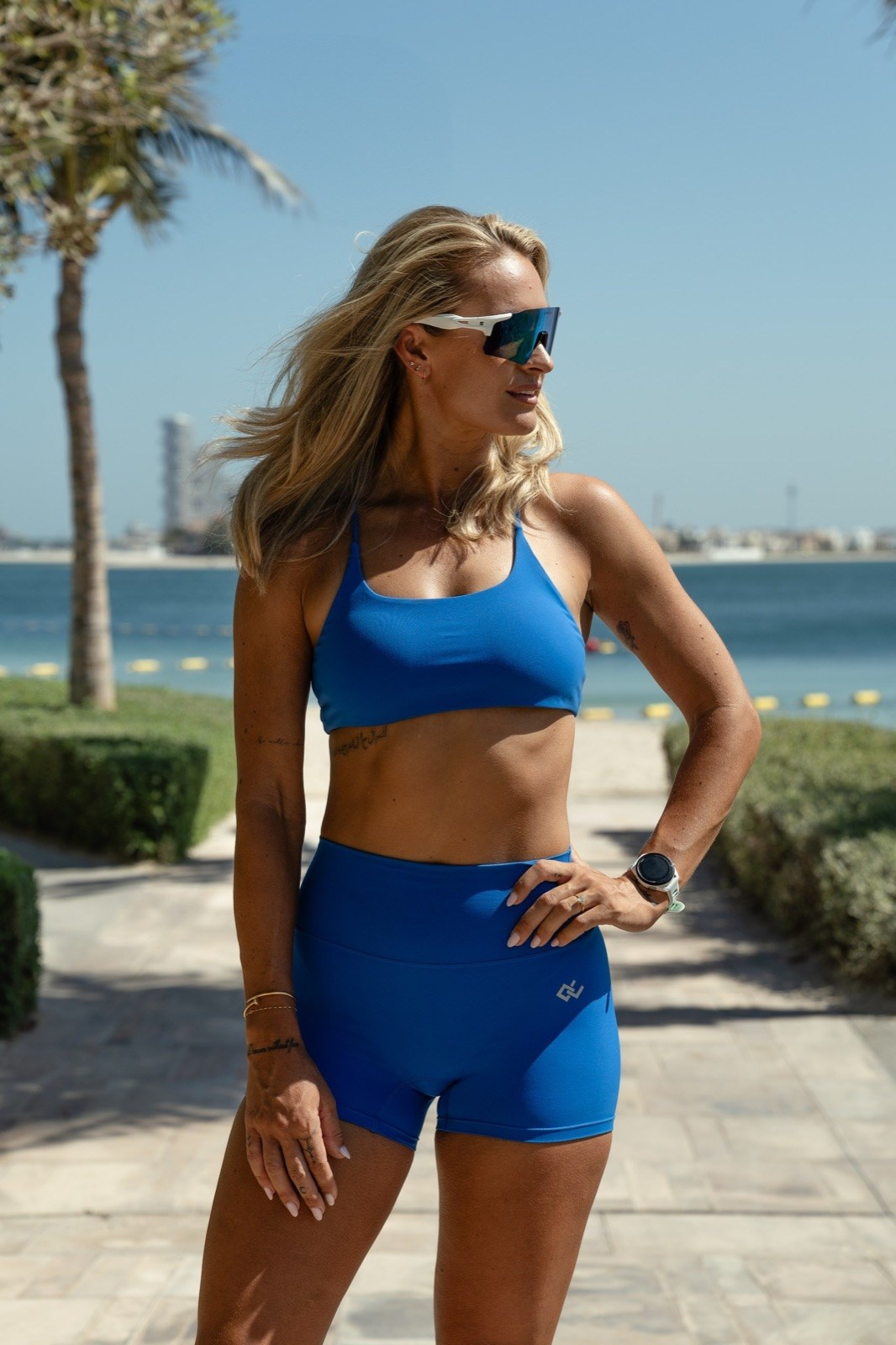
Ecommerce production usually benefits from a controlled studio where background, camera and light can remain repeatable. Campaign production may use a studio set, hotel, desert, beach, city location, private residence or designed interior. Locations add narrative but also introduce access, permits, weather, travel, changing facilities, power and privacy considerations. In the UAE, outdoor timing and heat can materially affect the schedule. The location should support the collection rather than compete with it.
Shot Lists Are Built Differently
An ecommerce shot list is organised by SKU and required view. It answers whether every sellable item received the complete sequence. A campaign shot list is organised by concept, look, composition and channel. It answers whether the production created the hero images and variations needed for the launch. For campaign work, define:
- Priority looks
- Hero horizontal and vertical compositions
- Images with space for copy
- Group and individual frames
- Required motion or video moments
- Social and advertising formats
Retouching Priorities
Ecommerce retouching should remain systematic. It corrects temporary issues, supports colour consistency and keeps the background and crop uniform. Campaign retouching may include more detailed finishing, environment cleanup, compositing or a distinctive colour treatment. However, the garment should still be represented responsibly when the image promotes a product for sale. Do not apply a campaign colour grade to ecommerce images if it makes the actual product colour difficult to judge.
How Deliverables Differ
Ecommerce files are often delivered by SKU, with web-ready crops and a predictable naming system. Campaign files may be organised by channel, concept, format or approved hero selection. Ecommerce deliverables may include:
- Complete edited gallery for every SKU
- High-resolution and web-optimised versions
- Consistent product-page ratios
- Detail crops
Campaign deliverables may include:
- Hero photographs
- Website banners
- Vertical and square social crops
- Advertising variations
- Campaign film and short-form edits
Can Ecommerce and Campaign Content Be Produced Together?
Yes, and combining them can make good use of casting, styling, location, makeup and crew. The production must still protect the catalogue requirements. A practical structure may be:
- Approve the ecommerce test image.
- Photograph the repeatable views for each SKU.
- Move selected priority looks into dedicated campaign setups.
- Record planned video actions while the approved campaign styling is complete.
The order may change depending on location and daylight, but responsibilities should remain clear.
When Separate Shoot Days Are Better
Separate days may be more effective when:
- The ecommerce catalogue contains many SKUs
- The campaign uses a distant or restricted location
- The model cast is different
- Hair and makeup changes are extensive
- The campaign involves complex video or set construction
- Catalogue delivery is urgent
Trying to force two large scopes into one day can leave the catalogue incomplete and the campaign underdeveloped.
How to Allocate Products
Every sellable product should receive the required ecommerce coverage. Campaign resources can then be directed to hero looks, new categories, high-margin products or pieces that best express the collection. Create a content matrix showing:
- SKU
- Ecommerce views
- Campaign inclusion
- Photo and video formats
- Priority channel
- Approval deadline
This keeps creative decisions connected to commercial priorities.
Prepare Garments for Both Workflows
Catalogue and campaign content depend on camera-ready samples. Use the checklist in How to Prepare Clothing for an Ecommerce Fashion Photoshoot to organise SKUs, fit, steaming, accessories and changing order. Campaign garments may require extra backups because outdoor locations, movement, makeup and props increase handling. Protect completed ecommerce samples if they still need to be photographed.
Common Planning Mistakes
Using Campaign Images as the Entire Product Gallery
Customers may not be able to see fit, colour and construction clearly.
Calling Extra Catalogue Poses a Campaign
A campaign needs a concept and communication purpose, not only more variation.
Trying to Photograph Every SKU as a Hero Image
Campaign resources become diluted. Select priority products intentionally.
Mixing Retouching Styles
Campaign grading should not make ecommerce colour unreliable.
Failing to Reserve Time for Motion
Video requires planned actions, repetitions and framing rather than leftover moments.
Frequently Asked Questions
Does a new fashion brand need both ecommerce and campaign photography?
Most do. Ecommerce content explains and sells the products, while campaign content introduces the collection and brand identity.
Can the same model be used for both?
Yes, when the model fits the samples and also suits the campaign concept and performance requirements.
Can campaign images be used on product pages?
They can support the gallery, but they should not replace clear product views.
Which workflow should be photographed first?
It depends on daylight, location and deadlines. The schedule should protect clean product samples and the full ecommerce deliverable.
Can campaign video be added to the same production?
Yes, when actions, crew, timing and formats are planned before the shoot.
Conclusion
Ecommerce fashion photography gives customers clarity and confidence. Campaign photography gives the collection identity and emotional meaning. A strong fashion content system uses each deliberately and connects them through consistent casting, styling and brand direction. GSP Media produces ecommerce fashion photography, campaign photography and short-form video for brands, designers and agencies in Dubai and across the UAE.
Blog
Product Photography vs Product Videography: What Does Your Brand Need?
How to Prepare Clothing for an Ecommerce Fashion Photoshoot
White Background vs Lifestyle Product Photography
Ecommerce Fashion Photography: Model, Mannequin or Flat Lay?
How to Prepare Products for a Commercial Photoshoot

Corporate Podcast vs Video Interview: Which Format Is Right for Your Business?

How to Prepare a Corporate Event Photography and Video Brief

How to Prepare a Venue for Professional Live Streaming
How Multi-Camera Live Streaming Works
How Multi-Camera Video Podcast Production Works
How Many Cameras Does a Corporate Event Need?
How to Prepare a CEO or Executive for a Video Interview

Why Backup Internet Is Essential for Event Live Streaming

What Affects Corporate Event Photography and Video Costs?