White-background and lifestyle product photography are often treated as alternatives, but they serve different stages of the customer journey. A clean catalogue image explains what the product is. A lifestyle image shows where it belongs, how it may be used and what the brand wants the customer to feel.
Choosing the right mix affects the shoot plan, styling, retouching, marketplace compliance and the number of assets a brand can create from one production. This guide compares both formats and explains how businesses in Dubai and across the UAE can plan product content for ecommerce, advertising and social media.
The Short Answer
Use white-background photography for clear product identification, catalogues, marketplaces and consistent comparison across many SKUs. Use lifestyle photography to communicate context, scale, benefits, audience and brand personality. Most ecommerce brands need both: clean images for product information and selected lifestyle images for persuasion and marketing.
What You Will Learn
- What white-background product photography is designed to do
- What lifestyle photography adds
- Which format works best for marketplaces and brand campaigns
- How production and retouching differ
- How to plan an efficient mixed shoot
- How many image types a product page may need
What Is White-Background Product Photography?
White-background photography presents the product with minimal visual distraction. The subject is normally photographed in controlled light and delivered on a clean white or near-white background according to the intended platform. Common uses include:
- Ecommerce product pages
- Amazon, Noon and other marketplaces
- Digital catalogues
- Price lists and sales documents
- Product comparison pages
- Retail and inventory systems
The objective is clarity and repeatability. Customers should be able to compare size, shape, colour and design across a range without the background changing from one SKU to the next.
Advantages of White-Background Photography
Clear Product Information
The product remains the only visual subject. This is valuable for technical items, packaging, accessories and any purchase where small details influence the decision.
Catalogue Consistency
A defined camera angle, scale, shadow and crop can be repeated across hundreds of products. Consistency makes a store easier to browse and allows new items to be added later.
Flexible Design Use
Clean product images can be placed in layouts, comparison charts, email campaigns and presentations. Depending on the required delivery, the background can also be isolated for design applications.
Marketplace Compatibility
Main marketplace images commonly favour or require a clean background and an accurate representation of the item. Rules vary by platform and category, so the current specification should be checked before production.
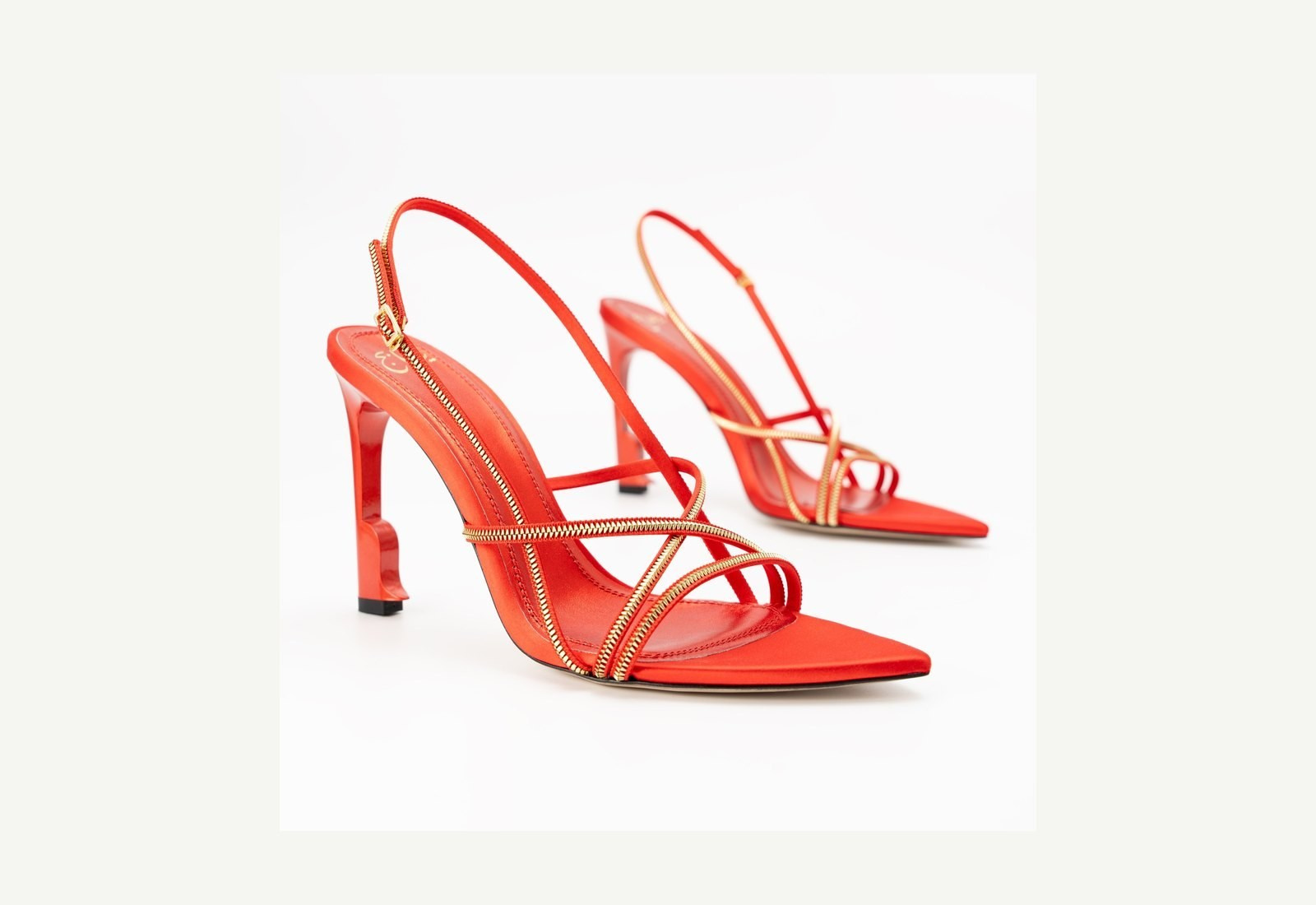
Limitations of White-Background Photography
A clean image may explain the product without explaining its value. It may not show scale, use, environment or emotional appeal. A perfume bottle on white reveals the packaging. The same bottle photographed in a carefully designed setting can suggest freshness, luxury, warmth or a specific audience. A small electronic accessory may also need an in-use image before customers understand where it connects. White does not mean technically simple. Transparent glass, reflective metal, glossy plastic, white products and pale packaging require careful separation from the background.
What Is Lifestyle Product Photography?
Lifestyle photography places the product in a designed or real context. The setting may show how the product is used, who it is for or what kind of experience surrounds it. Examples include:
- Skincare arranged in a bathroom environment
- Electronics shown in a workspace
- Food or beverage products in a serving context
- Jewellery worn by a model
- Perfume styled with materials and light that reflect the fragrance concept
- Home products shown at realistic scale
Lifestyle content may be produced in a studio set, at a real location or as a combination of product and model photography.
Advantages of Lifestyle Photography
Shows Context and Scale
Customers understand how large a product is and how it relates to a person or environment.
Communicates Benefits
A lifestyle image can show the product solving a problem or supporting a routine, rather than only displaying its appearance.
Colour, props, casting, location and lighting create a recognisable visual world. This helps distinguish products that might otherwise look similar in a catalogue.
Supports Advertising and Social Media
Lifestyle images provide narrative, atmosphere and space for campaign copy. They are often more suitable for banners, paid ads, launch content and social posts.
Limitations of Lifestyle Photography
Lifestyle production requires more decisions. Locations, models, props, styling, set design, permissions and weather may affect the schedule. The environment can also compete with the product. If the styling is too complex, customers may not understand what is being sold. Props must not imply unsupported ingredients, accessories or product capabilities. Lifestyle images are usually less repeatable than catalogue images. Recreating the same location, natural light or set several months later can be difficult when a new SKU is launched.
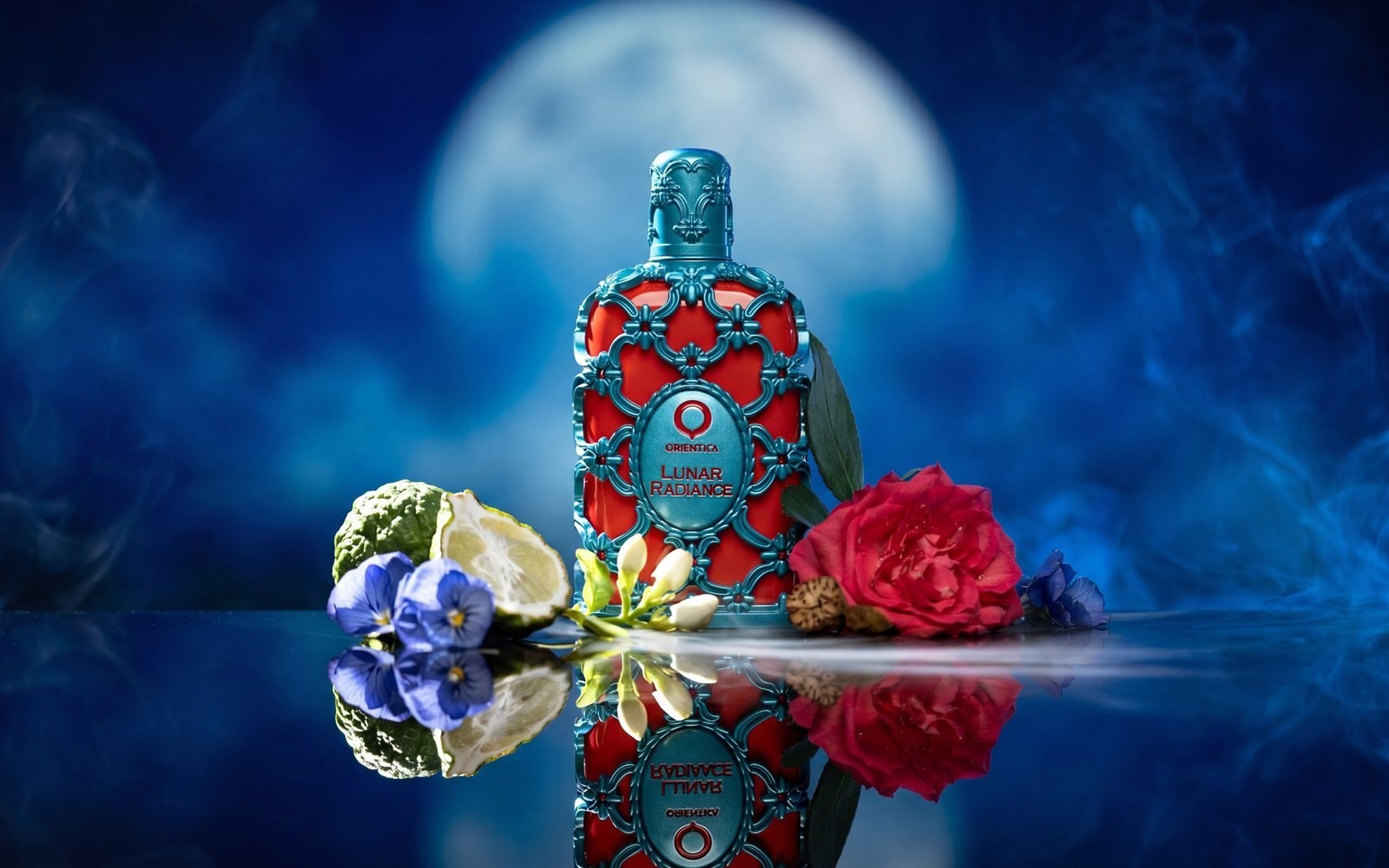
White Background vs Lifestyle: Which One Should Be the Main Image?
For many ecommerce and marketplace listings, the main image should be the clearest product view and may need to follow platform background rules. Lifestyle images then appear later in the gallery to explain use, scale and brand value. On a brand-owned website, the main image can be more flexible. A premium landing page may begin with a lifestyle hero while the product page uses a clean catalogue image for selection. The decision should follow the channel and customer task, not a single rule applied everywhere.
Marketplace Requirements
Marketplaces publish detailed image standards covering background, product visibility, resolution, text, borders, accessories and category-specific content. A main image and an additional image may have different rules. Before the shoot, confirm:
- Required background
- Minimum dimensions
- Product fill within the frame
- Permitted text and graphics
- Number of additional images
- Category-specific restrictions
Do not rely on an old template. Amazon, Noon and other platforms can update standards, and requirements may differ between categories.
How Many Images Does a Product Page Need?
The correct number depends on the product, but every image should answer a distinct customer question. A useful image sequence may include:
- Clear main product image
- Alternative angle
- Back or underside
- Important detail or material
- Packaging and included accessories
- Scale reference
- In-use lifestyle image
- Feature explanation
Repeating nearly identical angles adds volume without adding information. The goal is a complete visual explanation.
When White Background Is Usually the Priority
- Large catalogues with many SKUs
- Marketplace listings
- Technical products
- Items with important front, back and side details
- Stores where customers compare variations
- Products that will be placed in multiple graphic layouts
In these situations, build a repeatable image standard first. Lifestyle content can then be created for priority products, launches or advertising.
When Lifestyle Photography Is Usually the Priority
- New product launches
- Premium and luxury positioning
- Products whose scale is not obvious
- Items that need demonstration
- Campaigns built around a specific audience
- Social media and brand storytelling
Even when lifestyle is the campaign priority, capture at least one clear product view if customers need to identify packaging, colour or included components.
Producing clean and lifestyle images together can create a consistent library and reduce repeated logistics. It works best when the two setups are planned separately within the same schedule. Confirm:
- Which SKUs need both formats
- Required catalogue angles
- Lifestyle concepts and props
- Model or location requirements
- Horizontal and vertical crops
- Product video requirements
- Approval process for each setup
Photograph the repeatable catalogue views systematically. Treat lifestyle compositions as specific deliverables with their own shot list rather than “extra creative photos if there is time.”

Cost and Production Differences
White-background work is influenced by SKU count, angles, product complexity, consistency requirements and retouching. Lifestyle work adds concept development, props, sets, locations, models and more individual composition decisions. This does not mean every lifestyle image requires a large campaign. A small controlled tabletop set can communicate context efficiently. Conversely, a large catalogue of reflective products on white can require significant lighting and retouching. Compare quotations by deliverables and production scope rather than by the number of final images alone.
Lighting and Retouching
White-background lighting must separate the product from the background while preserving edges, texture and realistic shadows. A white product should not disappear; a transparent product should not lose its shape. Lifestyle lighting needs to integrate the product with the environment while keeping brand colours and packaging accurate. Natural-looking light may still require careful control. Retouching should support an accurate product representation. It may remove dust, temporary imperfections and setup elements, but should not alter what customers receive.
Use a Content Matrix
For a multi-product campaign, create a simple matrix that connects SKUs, channels and deliverables. For each product, mark:
- Required white-background angles
- Required lifestyle scenes
- Detail images
- Video clips
- Aspect ratios
- Priority and deadline
This prevents the most visible product from receiving many images while another important SKU is missed.
Common Planning Mistakes
Using Only White-Background Images for a Product That Needs Explanation
Customers may see the design but not understand scale, use or benefit.
Using Only Lifestyle Images
Atmosphere can hide essential product details and may not satisfy marketplace requirements.
Adding Lifestyle Images Without a Concept
Random props do not automatically create brand storytelling. Every element should support the product and audience.
Trying to Create Both Formats From One Setup
A clean product cutout and a polished lifestyle composition require different lighting and framing decisions. Plan both intentionally.
Ignoring Future Catalogue Additions
Document camera, lighting, scale and editing standards so new products can match the existing library.
Questions to Answer Before Booking
- Where will the images be used?
- Which platform rules apply?
- Which SKUs need clean images, lifestyle images or both?
- Which customer questions must the gallery answer?
- Are models, locations or specialist props required?
- Which aspect ratios and video formats are needed?
- Who approves the test images?
- How will future products be matched?
Frequently Asked Questions
Is white-background photography only for marketplaces?
No. It is useful for any catalogue, comparison page, sales document or design workflow that needs a clear and consistent product image.
Can lifestyle images be used on marketplace listings?
Often as additional images, depending on the platform and category. The main image may have stricter requirements.
Do lifestyle images require a real location?
No. Many lifestyle scenes are built in a studio using surfaces, props, set elements and controlled lighting.
Should every SKU receive lifestyle photography?
Not necessarily. Brands often create repeatable catalogue images for every SKU and lifestyle content for priority products or product families.
Can product video be produced at the same time?
Yes, provided movement, camera orientation, actions and required clips are included in the production plan.
Conclusion
White-background photography provides clarity, consistency and flexibility. Lifestyle photography provides context, emotion and brand meaning. A strong product-content system uses each format for the task it performs best. GSP Media produces commercial product photography and video for brands, agencies and ecommerce teams in Dubai and across the UAE, from clean catalogue imagery to styled campaign content.
Blog
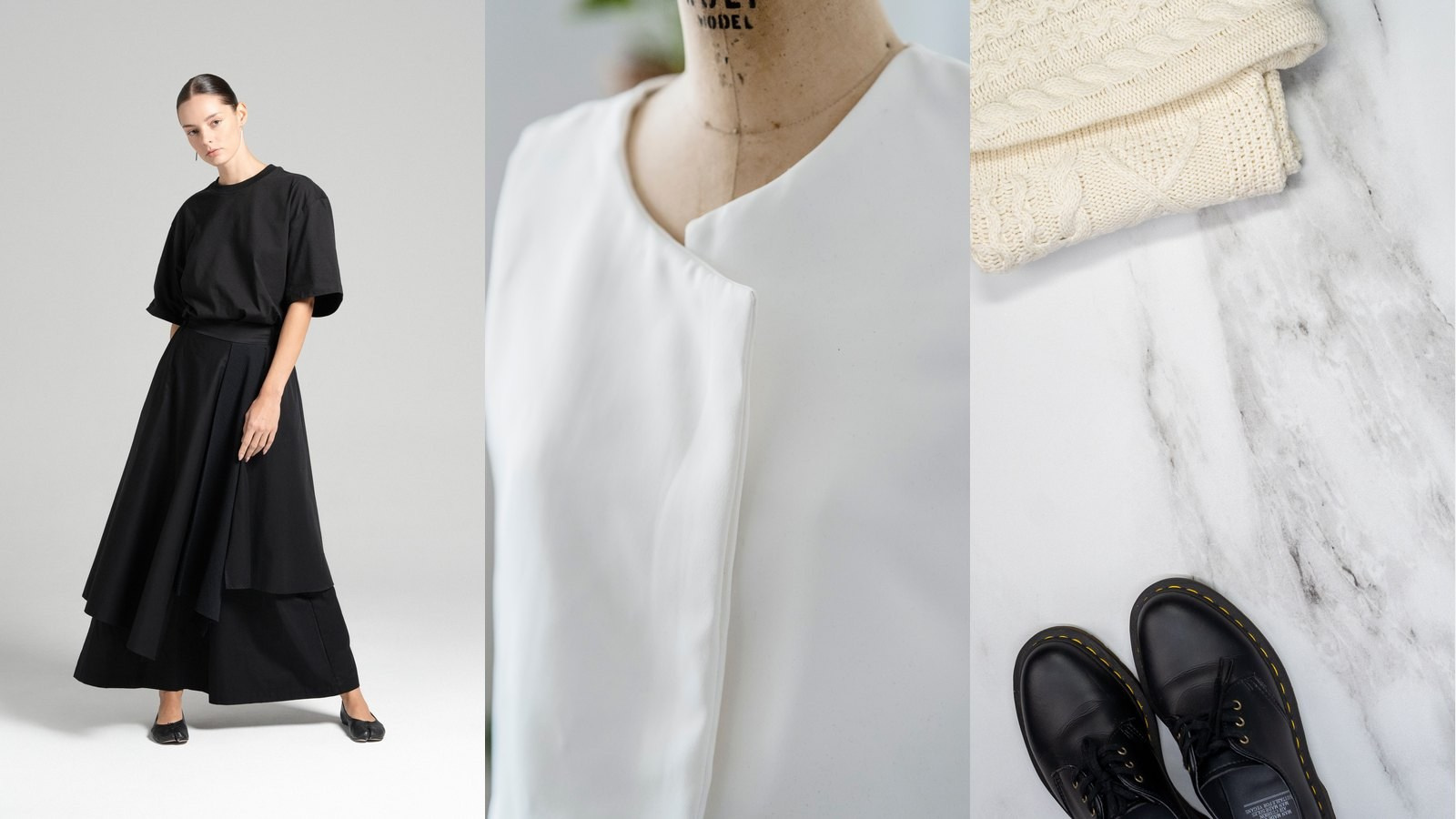
Ecommerce Fashion Photography: Model, Mannequin or Flat Lay?
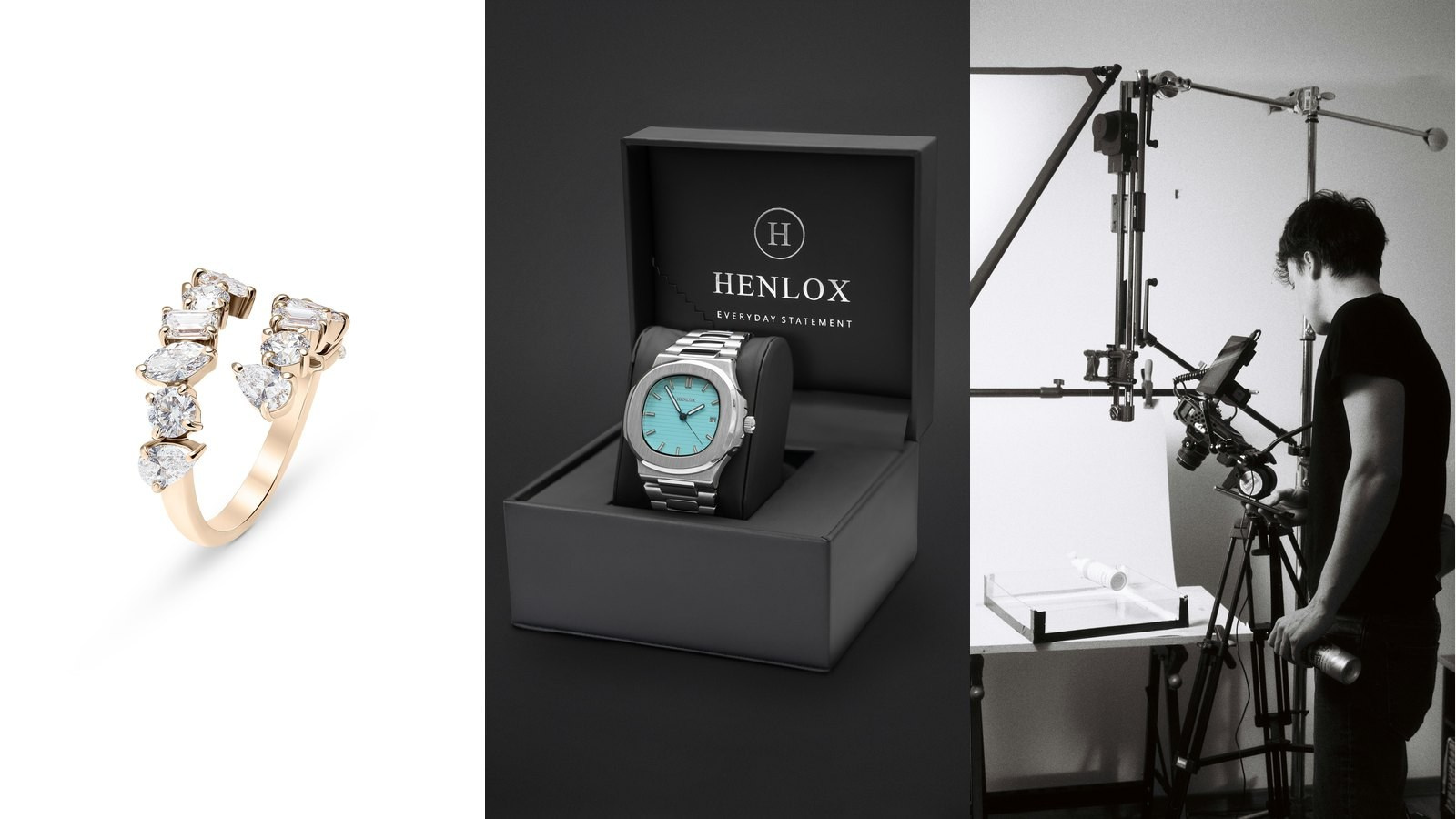
How to Prepare Products for a Commercial Photoshoot

Corporate Podcast vs Video Interview: Which Format Is Right for Your Business?

How to Prepare a Corporate Event Photography and Video Brief

How to Prepare a Venue for Professional Live Streaming
How Multi-Camera Live Streaming Works

How Multi-Camera Video Podcast Production Works
How Many Cameras Does a Corporate Event Need?

How to Prepare a CEO or Executive for a Video Interview

Why Backup Internet Is Essential for Event Live Streaming

What Affects Corporate Event Photography and Video Costs?
Event Photography vs Videography: What Does Your Event Need?

Video Podcast Production in Dubai: Complete Business Guide
Professional Event Live Streaming: How It Works