Preparing clothing properly before an ecommerce photoshoot protects the schedule, improves catalogue consistency and reduces avoidable retouching. Garments that look acceptable on a hanger can reveal creases, loose threads, twisted seams, uneven hems or fit problems as soon as they are placed under controlled studio light.
For fashion brands in Dubai and across the UAE, preparation also has a commercial effect: the images must explain colour, construction and fit accurately enough for a customer to make a purchase without seeing the product in person. This guide covers the practical steps a brand, designer, ecommerce team or agency should complete before clothing is photographed on a model, mannequin or as a flat lay.
The Short Answer
Send clean, finished and correctly labelled garments; choose the intended sample size; organise every item by SKU and look; include all matching accessories; and approve a repeatable shot list before the production day. Steam garments as close to the shoot as practical, check fit on the selected model, and provide a backup for priority pieces when possible.
What You Will Learn
- How to select camera-ready garment samples
- How to organise SKUs, sizes, colours and complete looks
- What to check before on-model, mannequin and flat-lay photography
- How styling, steaming and fit affect the result
- What belongs in a fashion ecommerce brief and shot list
- How to plan photography and short-form video together
Begin With the Required Ecommerce Experience
Preparation should follow the way customers will view the products. A marketplace catalogue, a luxury brand website and a fast-moving social store may need different combinations of images. Confirm the required outputs before selecting samples:
- Front, back and side views
- Close-ups of fabric, fastenings and construction
- On-model images showing fit and proportion
- Mannequin or ghost-mannequin views
- Flat lays for simple garments and accessories
- Complete-look images for styling context
- Short video clips showing movement
- Horizontal and vertical crops for website and social use
A clear output list prevents the team from photographing every item in an inconsistent way or discovering after the shoot that a required back view was never captured.
Select Finished, Camera-Ready Samples
The photographed sample should match the product that customers will receive. Early prototypes can differ in fabric, colour, trim, length or construction. If a sample is not final, document every difference and confirm whether it can be corrected accurately. Inspect each piece for:
- Loose threads and unfinished seams
- Broken or stiff zips
- Missing buttons, hooks or decorative elements
- Marks, makeup, deodorant or handling stains
- Stretching around hangers or clips
- Fabric pulls, pilling and damaged embroidery
- Uneven hems and twisted side seams
- Incorrect labels or tags
Small construction differences become obvious when the catalogue places similar garments side by side. Replacing an unsuitable sample is usually more reliable than rebuilding it digitally.
Choose the Correct Sample Size
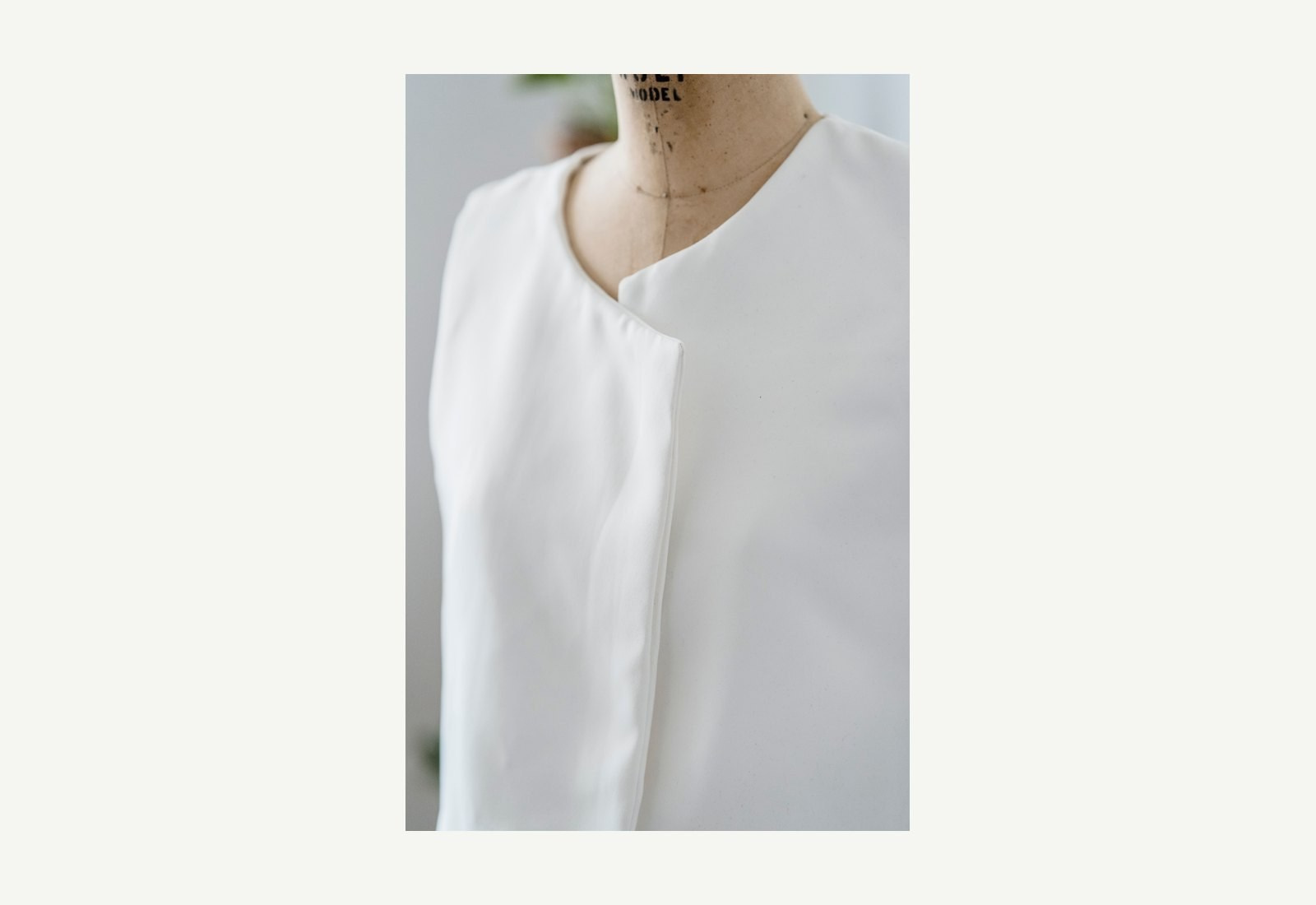
For on-model photography, sample size and model casting must be planned together. Current measurements matter more than a model’s usual clothing size because sizing differs between brands. Record the key garment measurements and compare them with the model’s measurements before booking. Test important looks if possible. A garment that is significantly too large or too small may require heavy pinning, which can misrepresent the fit from other angles. For mannequin work, confirm that the sample fits the available mannequin shape. For flat lays, size is less restrictive, but proportions and construction still need to be shown truthfully.
Organise Products by SKU, Colour and Look
A structured product list is the foundation of an efficient ecommerce shoot. Use the same identifiers that appear in your inventory or ecommerce system. For every garment, include:
- SKU or product code
- Final product name
- Category
- Size and colour
- Required photography method
- Required angles and details
- Matching accessories
- Priority and deadline
If the shoot is styled as complete looks, create a second list showing which pieces belong together. Do not rely on loose screenshots or messages spread across several chats. A clear rack order and printed or digital look board reduce mistakes during changes.
Decide How to Handle Colour Variations
Brands often have several colourways of the same design. Decide whether every colour will be photographed or whether selected colours will be created through controlled post-production. Photographing every colour is generally the most accurate approach when fabric texture, transparency, shine or construction changes between variations. Digital colour matching may be appropriate for truly identical products, but the editor needs reliable colour references and an approved workflow. Never assume a phone photograph is an accurate colour reference. Provide physical swatches, approved product samples or recognised colour specifications when available.
Steam and Press Garments Correctly
Creases are among the most common causes of avoidable production delays. Pack garments carefully and allow enough time for preparation at the studio. The correct method depends on the fabric:
- Steam delicate pieces at a safe distance
- Use pressing cloths where direct heat could mark the surface
- Avoid over-steaming materials that can stretch or lose structure
- Test embellished, coated or pleated garments before applying heat
- Hang prepared garments with sufficient space between them
Provide care instructions for unusual materials. The production team should not have to experiment on a one-of-a-kind sample.
Remove Lint, Threads and Temporary Labels
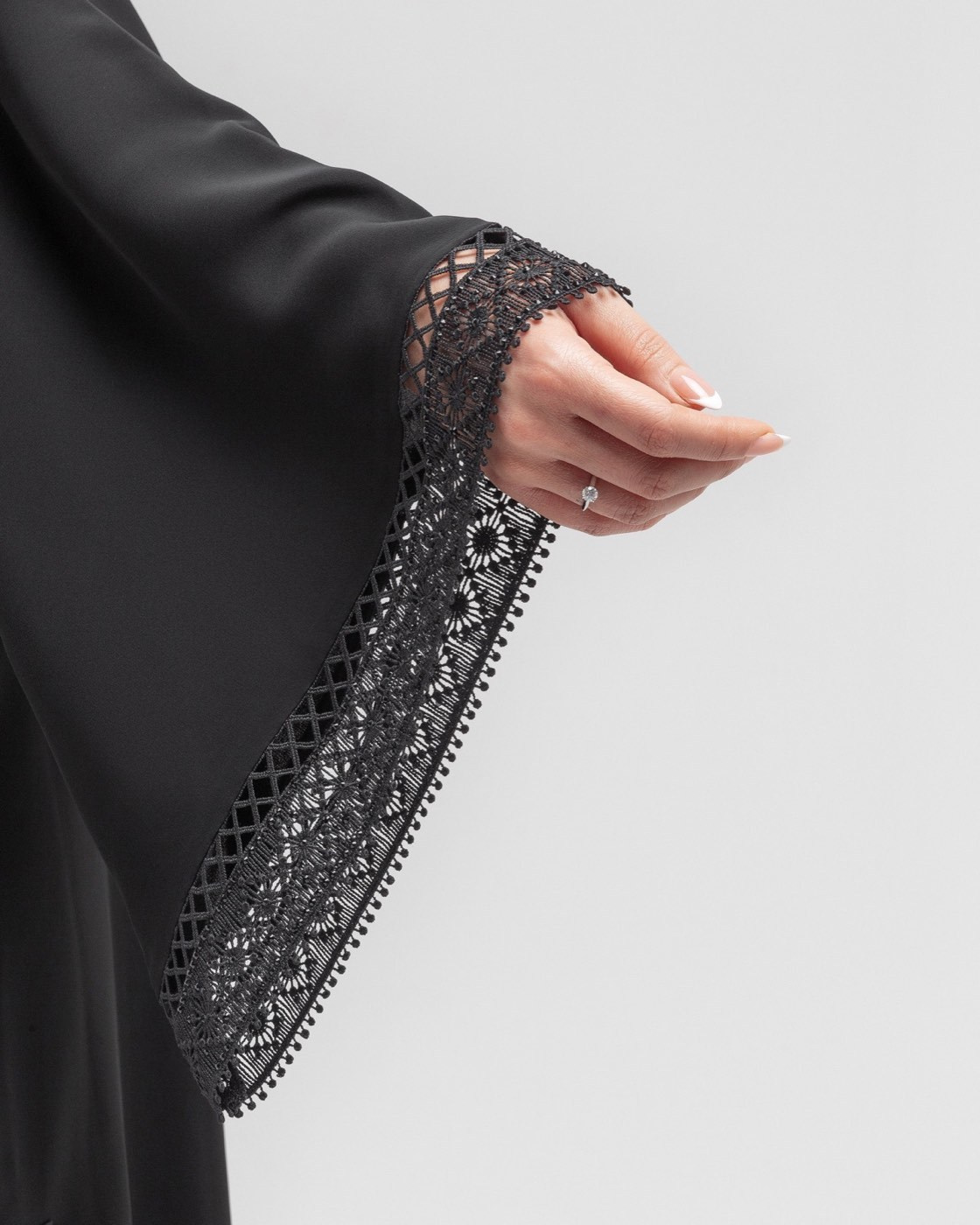
Dark fabrics, velvet and knitwear reveal lint under studio lighting. Remove visible fibres and inspect the garment again after steaming. Confirm which tags should remain visible. Retail price tags, temporary production labels and security devices usually need to be removed or hidden. Brand labels and design details may need dedicated close-ups. Keep removed tags in labelled envelopes or bags so they can be returned with the correct item after the shoot.
Prepare Complete Accessories and Styling Pieces
Belts, detachable straps, scarves, jewellery, bags, shoes and undergarments can affect the final silhouette. Send every element required for the approved look. Clarify whether additional styling pieces are sold with the garment. Ecommerce imagery should not imply that a customer receives an accessory that is only being used for styling. For dresses, abayas and layered pieces, document the correct order of components. Include reference photographs if the garment has an unusual fastening or drape. Clips, pins and temporary adjustments are normal on set, but they should refine the presentation rather than transform the product into a different shape. Agree how the garment should fit and identify any sample-specific issue before the model enters the set. The stylist may adjust collars, cuffs, waistlines, hems and fabric fall between frames. For ecommerce, truthful fit is more important than creating an idealised silhouette that customers will not receive. Retouching should preserve fabric texture, construction and proportion.
Choose the Right Photography Method
On-model, mannequin and flat-lay photography solve different problems. The earlier guide Ecommerce Fashion Photography: Model, Mannequin or Flat Lay? explains those choices in detail. Preparation changes with the method:
- On-model: confirm fit, casting, changing order and styling references.
- Mannequin: confirm sample size, fastenings and any interior sections needed for ghost-mannequin editing.
- Flat lay: prepare symmetrical folding rules, support materials and consistent scale.
Create a Repeatable Shot List
A catalogue needs rules that can be repeated across all products and future collections. Define the default image sequence and note exceptions. A typical sequence may include:
- Front view
- Three-quarter or side view
- Back view
- Fabric or construction detail
- Feature-specific close-up
- Movement or alternate pose
Approve one representative test product before the complete catalogue proceeds. The test should confirm crop, garment scale, model position, background, shadow, colour and retouching.
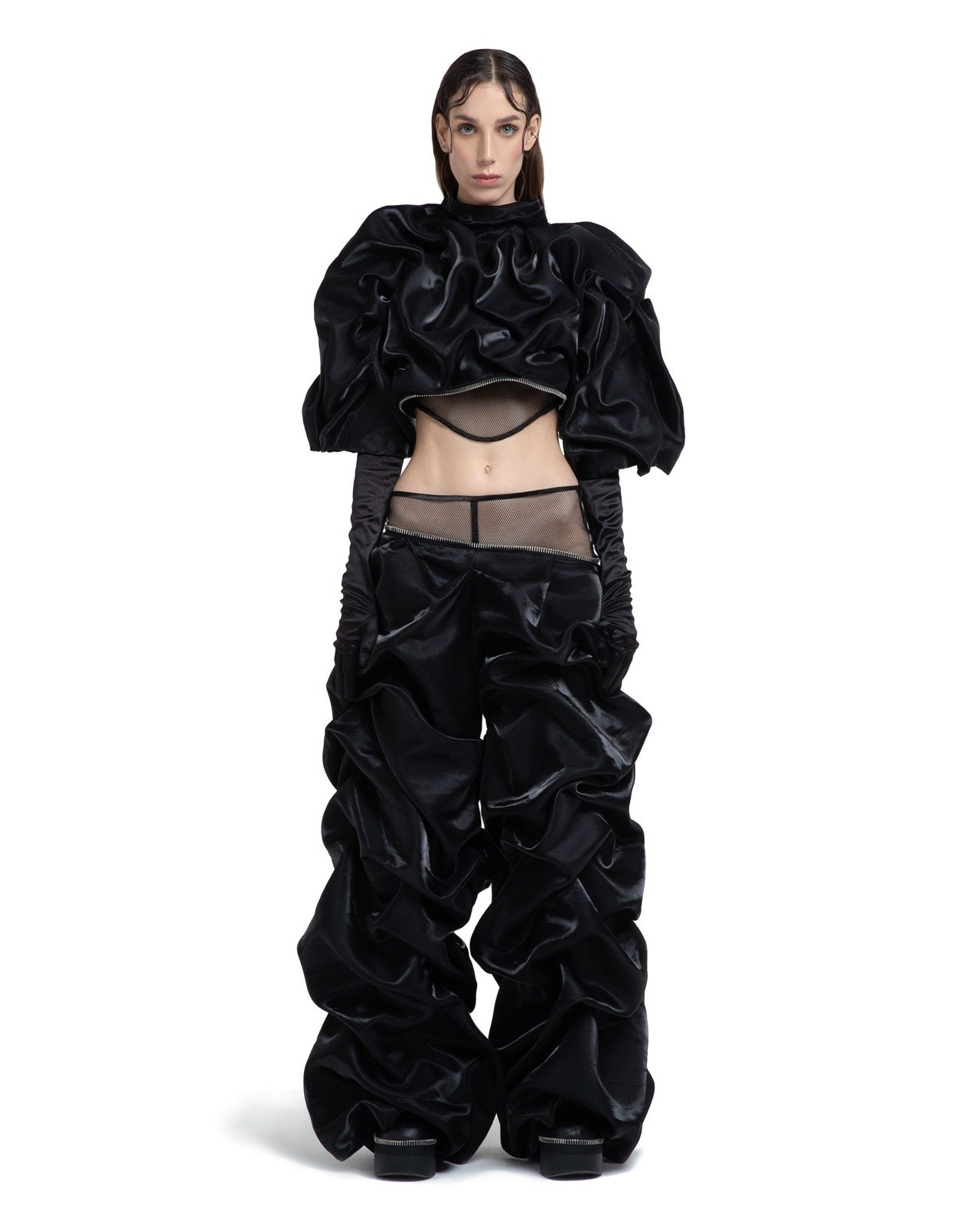
The garment sequence affects productivity. Group looks by model, category, lighting setup and styling complexity. Avoid unnecessary changes between delicate outfits and garments that require extensive hair or makeup adjustments. Place priority products early enough that they are protected if the schedule changes, but allow the model and crew a short period to settle before the most important hero look.
Prepare for Photography and Video Together
Short video can show fabric movement, stretch, drape and fit more clearly than still images alone. If photography and video will be produced during the same session, identify the motion deliverables in advance. Confirm:
- Which garments need video
- Required model actions
- Horizontal and vertical formats
- Whether the background and lighting can serve both workflows
- How many takes are realistic
- Whether music, voice or natural sound is relevant
Motion should not be treated as an unplanned extra after the stills. It changes the schedule and the way garments must be styled and performed.
Pack and Transport Garments Carefully
Use garment bags, protective tissue and appropriate hangers. Avoid overfilling boxes or folding structured pieces in ways that create deep creases. Label every bag and box. Keep small accessories with the related look, but protect metal details from rubbing against fabric. For productions outside Dubai, allow extra time for transport to Abu Dhabi, Sharjah, Ras Al Khaimah or other UAE locations. Agree the inventory handover and return process, especially for valuable samples and one-off designs.
Final Pre-Shoot Checklist
- Final samples inspected and approved
- SKU, size and colour list verified
- Model measurements checked against samples
- Garments cleaned, steamed and protected
- Loose threads and temporary labels removed
- Belts, shoes and accessories organised by look
- Shot list and changing order approved
- Image ratios and video requirements confirmed
- Brand and colour references supplied
- Delivery, approval and return contacts confirmed
Frequently Asked Questions
Should garments arrive already steamed?
They should arrive as prepared as possible, but transport can create new creases. Allow time and suitable equipment for final steaming or pressing on set.
How many samples should a brand send?
One suitable sample may be enough for routine items. Send a backup for priority garments, fragile pieces or samples with interchangeable details when practical.
Can a garment that does not fit the model be fixed in retouching?
Minor temporary fit adjustments can be refined, but substantial digital reshaping may misrepresent the product. Correct casting and sample selection are more reliable.
Should every colour be photographed?
Photograph every colour when texture, transparency or construction varies. Digital colour matching requires identical products and approved physical references.
Can ecommerce photography and campaign content be produced in one day?
Yes, but they require different priorities. The schedule should separate repeatable catalogue coverage from creative campaign setups.
Conclusion
A successful fashion ecommerce shoot begins before the first image is taken. Final samples, accurate SKU data, careful garment care, honest fit, a repeatable shot list and an organised changing sequence allow the production team to focus on consistency and product clarity. GSP Media provides fashion photography and video production for ecommerce brands, designers and agencies in Dubai and across the UAE.
Blog
White Background vs Lifestyle Product Photography
Ecommerce Fashion Photography: Model, Mannequin or Flat Lay?
How to Prepare Products for a Commercial Photoshoot

Corporate Podcast vs Video Interview: Which Format Is Right for Your Business?

How to Prepare a Corporate Event Photography and Video Brief

How to Prepare a Venue for Professional Live Streaming
How Multi-Camera Live Streaming Works
How Multi-Camera Video Podcast Production Works
How Many Cameras Does a Corporate Event Need?
How to Prepare a CEO or Executive for a Video Interview

Why Backup Internet Is Essential for Event Live Streaming

What Affects Corporate Event Photography and Video Costs?
Event Photography vs Videography: What Does Your Event Need?
Video Podcast Production in Dubai: Complete Business Guide