Live streaming and event recording may use similar cameras, microphones and production equipment, but they solve different communication problems.
A live stream allows remote viewers to join a corporate event as it happens. A recording gives the organiser greater control over editing, approval and publication. Some events need only one of these options; others benefit from broadcasting live while also creating high-quality local recordings for later use.
The correct decision depends on the audience, programme, urgency, confidentiality and consequences of a technical interruption.
This guide compares live streaming with recording an event and publishing it later, helping organisations in Dubai and across the UAE choose the most useful production workflow.
Short Answer
Choose live streaming when remote viewers need to experience or respond to the event in real time. Choose recording and later publication when editorial control, approval and consistent quality are more important than immediacy.
If the event is strategically important, a combined approach is often strongest: broadcast the live programme, record locally at higher quality and create approved versions for future use.
What You Will Learn
- The practical difference between live streaming and event recording
- When real-time participation creates genuine value
- When recording first reduces risk and improves quality
- Why a platform recording is not the same as local production recording
- How confidentiality and approvals affect the choice
- When to combine both workflows
What Is Event Live Streaming?
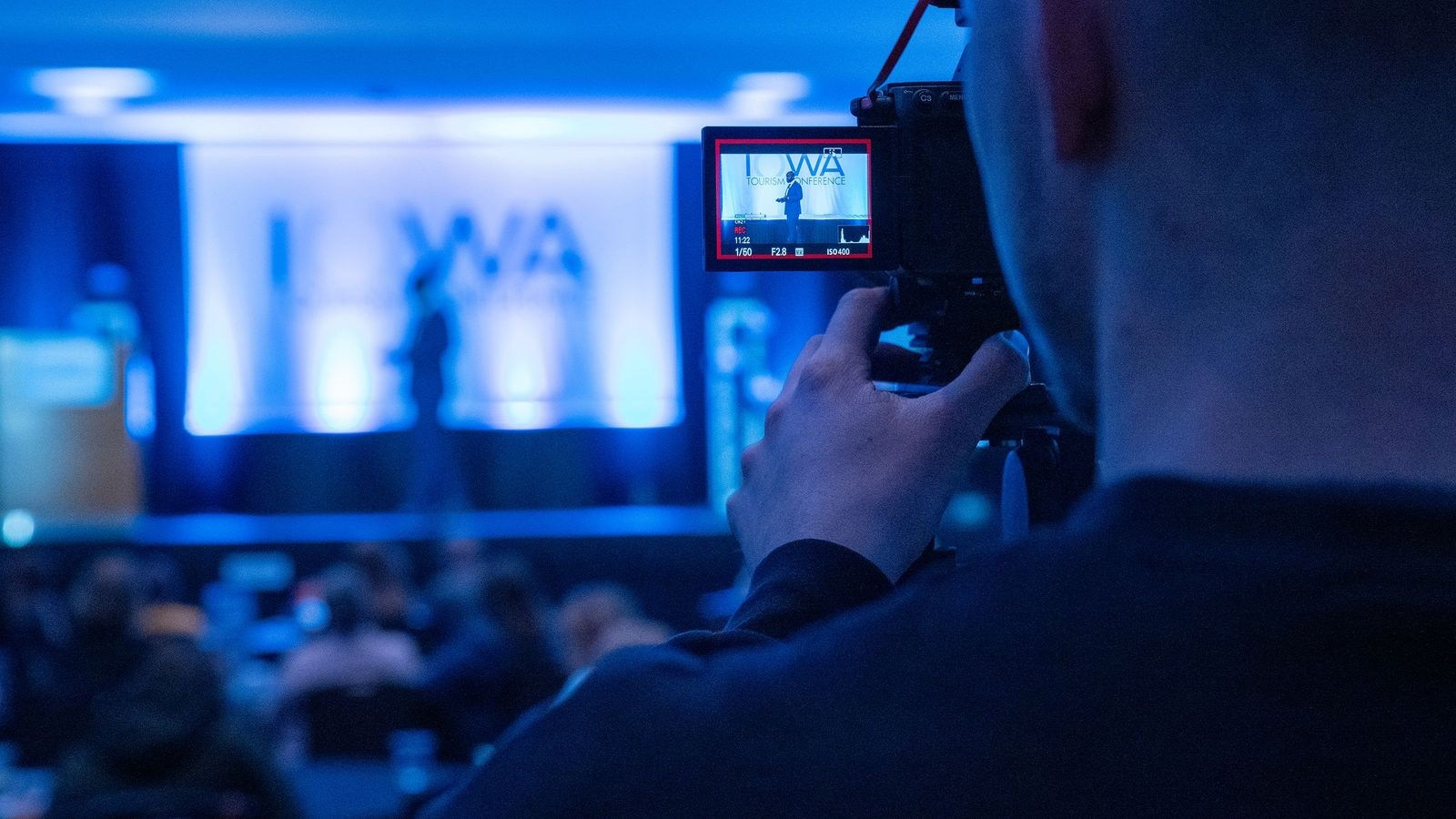
Live streaming sends a completed video programme to viewers while the event is taking place.
A professional stream may combine:
- Several camera angles
- Microphones and the venue audio system
- Presentation slides
- Speaker names and branded graphics
- Remote contributors
- Audience questions and polls
- A public or private viewing platform
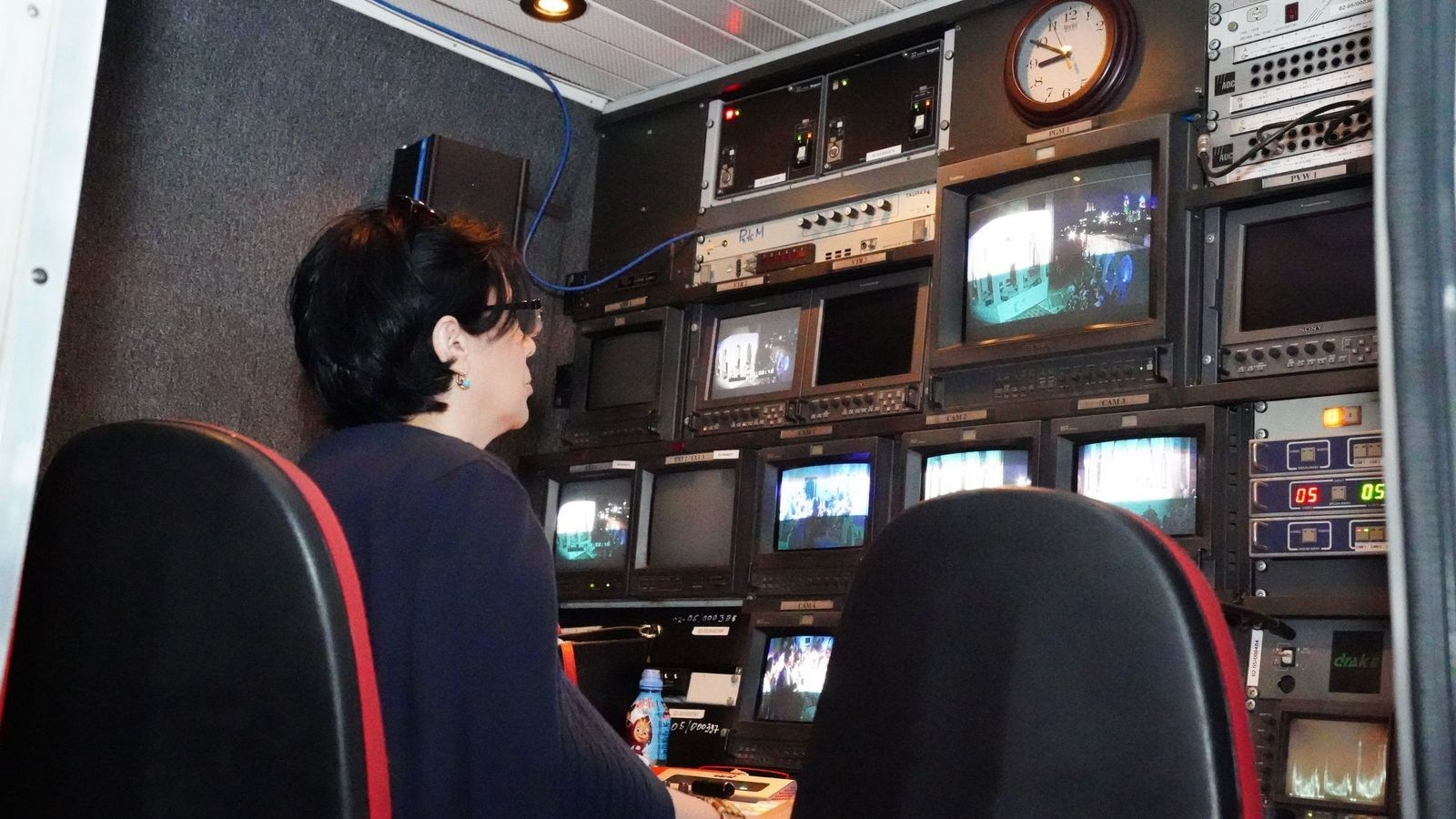
The director chooses what viewers see in real time. Once an action, graphic or audio issue has been broadcast, it cannot be removed from the live experience, even if the recording is edited later.
What Is Event Recording for Later Publication?
Recording captures the event without distributing it immediately to a remote audience. The footage can then be reviewed, edited, approved and published later.
Possible deliverables include:
- Complete keynote or panel recordings
- Edited conference sessions
- Training modules
- Executive announcements
- Highlight videos
- Short social media clips
- An internal video archive
Recording first gives the organisation more control. Mistakes can be removed, presentations can be improved, subtitles can be checked and confidential sections can be excluded before viewers receive the content.
The Main Difference Is Real-Time Participation
The strongest reason to stream live is that time matters.
Live delivery may be valuable when:
- Remote employees need to receive an announcement simultaneously
- Viewers need to ask questions
- The event includes voting or interactive sessions
- A launch benefits from urgency and shared attention
- Attendance is part of a paid or registered event
- The organisation wants to connect several offices or cities
If the online audience does not need to participate or watch immediately, recording first may provide a simpler and more controlled result.
Advantages of Live Streaming
Remote Access
Viewers can join from other emirates, countries or offices without travelling to the venue. This can extend the reach of a Dubai or Abu Dhabi event beyond the physical room.
Shared Timing
A live announcement gives employees, clients or partners access to the same information at the same moment. This can be important for leadership communication and public launches.
Interaction
Questions, polls and moderated chat allow the online audience to influence the programme. The presenter can respond while the subject is still being discussed.
Event Energy
Live viewing can create urgency and a stronger sense of participation than receiving a recording several days later.
Immediate Distribution
The broadcast can reach the intended audience without waiting for a complete post-production cycle.
Limitations of Live Streaming
Live production involves real-time risk.
The workflow depends on:
- Reliable internet
- Stable audio and video systems
- Correct graphics and presentation files
- Prepared speakers
- Platform access
- Rapid decisions from the production team
A professional setup reduces risk through testing, monitoring, backup connectivity and local recording, but no live production can offer the same opportunity for correction as an edited recording.
Live streaming may also require a larger crew. Someone may need to switch cameras, monitor audio, manage the encoder, update graphics, coordinate remote guests and moderate questions while the event continues.
Advantages of Recording and Publishing Later
Editorial Control
The organisation can review the programme before release. Incorrect statements, delays, technical pauses and confidential discussions can be removed.
Higher and More Consistent Quality
Local recordings can preserve more image and audio quality than a compressed online stream. Cameras can be colour matched, sound can be cleaned and presentation material can be inserted precisely.
Flexible Structure
A long conference can be divided into separate sessions, chapters or short videos. Viewers can go directly to the subjects that matter to them.
Approval Before Publication
Executives, legal teams or communications departments can review the material before it becomes public or is distributed internally.
Better Accessibility Preparation
Subtitles, translations, supporting graphics and transcripts can be checked before release.
Limitations of Recording First
The audience cannot participate during the original event. Questions and reactions arrive later, if at all.
Publication also requires additional time for:
- Backing up and organising footage
- Editing
- Audio processing
- Graphics and captions
- Client review
- Revisions
- Export and upload
If the event is newsworthy or time-sensitive, a delayed release may lose some of its value.
Platform Recording vs Local Recording
A recording saved by the streaming platform is useful, but it should not automatically be treated as the production master.
The platform file may contain:
- Online compression
- Any interruption experienced by viewers
- Only the switched programme
- Limited control over separate audio sources
- Lower flexibility for future editing
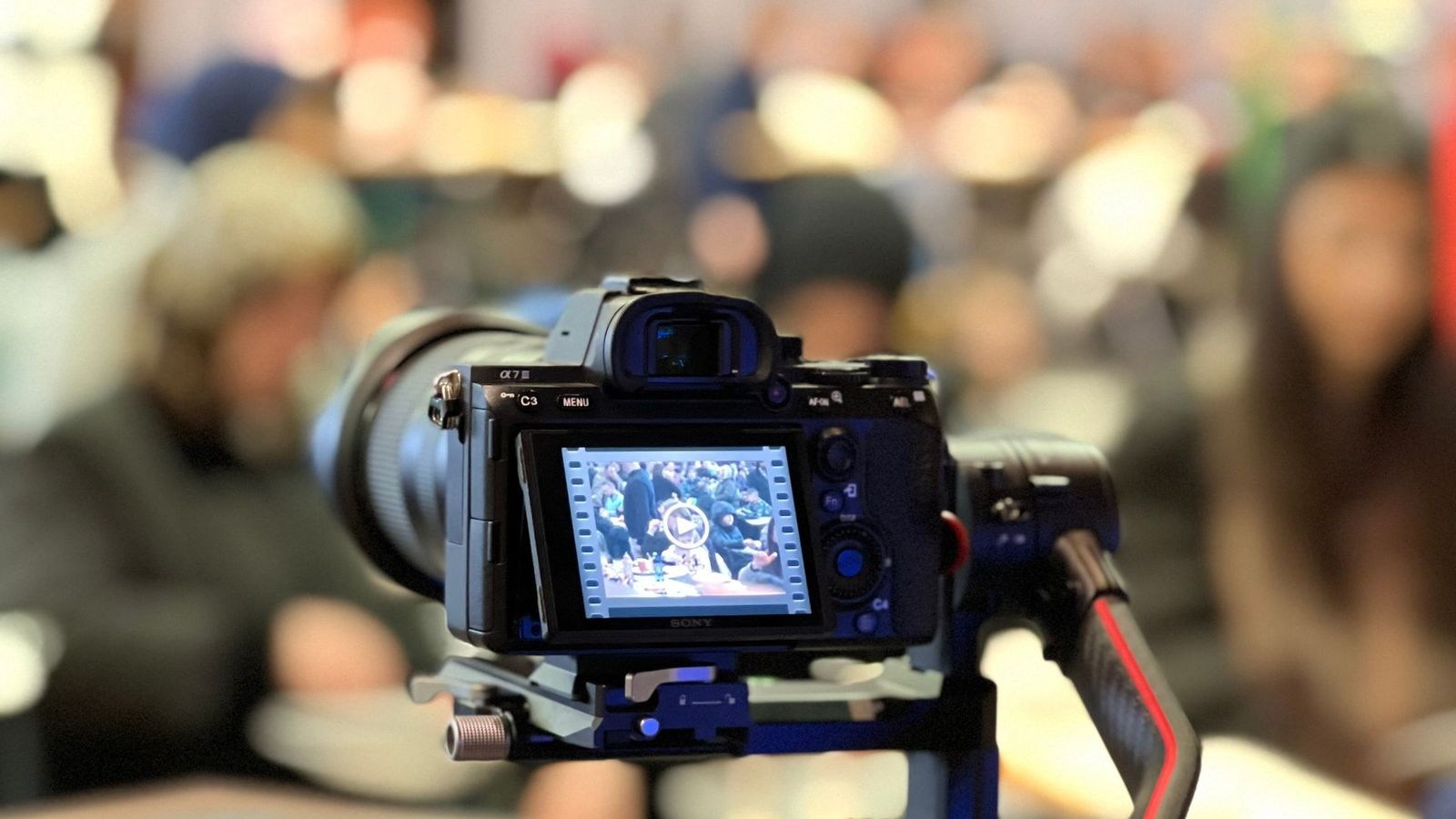
Local production recording can preserve the complete programme at higher quality. Depending on the scope, the team may also record individual cameras, microphones and presentation feeds separately.
Separate recordings provide more editing flexibility, but they require additional equipment, storage and post-production. The required files should be defined before the event.
When Confidentiality Matters
Recording first is often preferable when the programme contains information that must be approved before distribution.
Examples include:
- Financial or investor information
- Unreleased product details
- Internal HR communication
- Regulated or legal content
- Training involving personal information
A private live stream may still be possible, but access control does not replace content approval. If an incorrect or confidential statement must not reach any audience, pre-recording offers more protection.
When to Combine Live Streaming and Recording
Many corporate events should not treat this as an either-or choice.
A combined workflow can provide:
- A live programme for remote viewers
- A local master recording
- Complete session files
- An edited highlight
- Short speaker clips
- Future training or marketing content
The live director creates the real-time programme while local recorders protect the footage for later use.
This approach is especially useful for conferences, hybrid events, company town halls and product launches. It requires clear planning because the cameras needed for a live programme may not automatically capture every angle required for future edits.
Pre-Recorded Sections Inside a Live Event
A live programme can include pre-recorded material.
Organisers may prepare:
- Opening videos
- Product demonstrations
- Executive messages
- Customer stories
- Sponsor content
- Technical explanations
This provides control over important segments while preserving live introductions, discussion and audience participation.
Every pre-recorded file should be tested in the complete production system. Sound, resolution, aspect ratio and playback must work correctly before the event begins.
How the Event Programme Affects the Decision
A simple presentation is easier to stream than a programme spread across several rooms.
Review:
- Number of stages and breakout rooms
- Parallel sessions
- Remote speakers
- Audience questions
- Presentation and video playback
- Confidential sessions
- Language and caption requirements
- Required final recordings
It may be appropriate to stream the main stage while recording selected workshops for later publication. The production plan can use different delivery methods for different parts of the same event.
Time Zones and Audience Availability
A live broadcast from the UAE may take place at an inconvenient time for viewers in other regions.
If the audience is distributed globally, consider:
- Whether the majority can attend live
- Whether a replay is available immediately
- Whether two live sessions are justified
- Whether questions can be collected in advance
- Whether an edited recording would serve more viewers
Live access creates limited value if most of the intended audience cannot watch at the scheduled time.
Internet and Technical Risk
Recording does not remove every technical risk, but it does remove dependence on real-time internet delivery.
A live production should assess:
- Dedicated wired internet
- Upload stability
- Backup connectivity
- Platform configuration
- Power and equipment redundancy
- Local recording
- Communication during a failure
If the venue cannot provide a suitable connection and the broadcast is not essential in real time, recording for later publication may be the more reliable decision.
What Affects the Production Scope?
Live streaming may require additional real-time crew and infrastructure. Recording first may require more post-production and client review.
Important scope factors include:
- Number of cameras and operators
- Audio complexity
- Presentation capture
- Remote speakers
- Streaming platform
- Internet and backup connectivity
- Separate camera recordings
- Editing and graphics
- Subtitles and translations
- Approval and revision rounds
Compare quotations by deliverables and responsibilities, not simply by event hours or camera count.
A Practical Decision Framework
Choose Live Streaming When:
- The audience needs real-time access
- Questions or interaction are important
- The event is time-sensitive
- The venue can support a reliable technical setup
Choose Recording and Later Publication When:
- Content requires approval
- Editorial polish matters more than immediacy
- The audience cannot attend at one time
- Venue internet is unsuitable
- The material should be divided into reusable modules
Choose Both When:
- Remote participation and long-term content are both valuable
- The event is important enough to justify local production masters
- Complete sessions and promotional edits are required
Common Mistakes
Streaming Because It Sounds More Advanced
Live delivery should solve a real audience need. If nobody needs to watch immediately, recording first may produce better value.
Assuming the Platform Recording Is Enough
It may be compressed and contain any live interruption. Define local recording requirements before the event.
Planning the Recording After the Stream
Separate cameras, audio and presentation feeds must be configured in advance if they are needed for editing.
Ignoring Audience Time Zones
A live programme can exclude the people it was intended to reach if the schedule is inconvenient.
Publishing Without Approval
Internal or regulated content may require review even when the event itself was broadcast privately.
Forgetting a Viewer Communication Plan
Attendees should know where to watch, when to join and what happens if the stream is interrupted.
Questions to Ask Before Booking
- Why does the audience need to watch in real time?
- Will viewers ask questions or participate?
- Does any content require approval before distribution?
- Can the venue provide reliable dedicated internet?
- What backup connectivity will be available?
- Will the programme be recorded locally?
- Are individual cameras and microphones recorded separately?
- Which final videos are required?
- When must recordings be available?
- Who approves the edited content?
- Will captions or translations be needed?
Frequently Asked Questions
Is live streaming more expensive than recording?
Not always. Live streaming can require platform management, connectivity and real-time crew, while recorded content may require more editing. The result depends on the complete scope.
Can a live stream be edited afterwards?
Yes. A recorded version can be edited, but changes cannot alter what live viewers already saw or heard.
Should every live stream be recorded locally?
For important corporate events, local recording is strongly advisable. It provides a more reliable source for final delivery and future editing.
Can we stream one session and record the others?
Yes. Different parts of an event can use different workflows according to audience and content value.
Can a recorded event still feel timely?
Yes. A short approved version can be released quickly, followed by complete sessions or additional clips.
Is recording safer for confidential content?
It provides an opportunity to review material before distribution. Access and data-handling policies are still necessary.
Can remote speakers be included in both workflows?
Yes. They should complete a technical test, and their local recording options should be discussed when higher quality is required.
Conclusion
Live streaming is the right choice when real-time access, participation and shared timing create value. Recording first is stronger when approval, editorial control and predictable quality matter most.
For many corporate events, combining the two provides the best balance. The online audience receives the programme as it happens, while local recordings protect the content and support future editing.
Define the audience, programme, confidentiality, venue connectivity and final deliverables before selecting the workflow. The decision should be based on how the content will be used, not simply on which production option appears more sophisticated.
Planning an Event Broadcast in the UAE?
GSP Media provides professional live streaming, multi-camera event recording, photography and videography for conferences, corporate meetings, hybrid events and product launches in Dubai and across the UAE.
We can help define the right combination of live delivery, local recording and post-production for your audience and event objectives.
Blog

How to Maintain Consistency Across a Fashion Ecommerce Catalogue


AI Content vs Traditional Photography and Video: What Should Your Brand Use?

How to Prepare Product References for AI Content Production

How Many Product Images Does an Ecommerce Product Page Need?

What Affects the Cost of Professional Live Streaming in Dubai?

How to Plan Photography and Video for a New Fashion Collection

How Product Photography Pricing Is Calculated

What Should Be Included in a Video Podcast Production Quote?


How Many Short Videos Can You Create From One Video Podcast?