A new fashion collection often needs several kinds of content at the same time: consistent ecommerce images, campaign photographs, a lookbook, product details, short-form video and launch assets for different platforms.
Trying to create all of this from one general instruction such as “shoot the collection” can lead to missed garments, unsuitable crops, repeated setups and an unrealistic schedule. This guide explains how fashion brands in Dubai and across the UAE can plan photography and video for a new collection, from the first content matrix and sample check to casting, shot lists, approvals and final delivery.
The Short Answer
Start with the collection launch plan and the exact content required for every sales and marketing channel. Separate repeatable ecommerce coverage from campaign and video production, then build one coordinated brief covering samples, models, styling, locations, crew, schedule, approvals and file formats. The most efficient production is not necessarily the one that captures the largest number of looks in a day. It is the one that delivers a complete, consistent and correctly organised content library without compromising fit, colour or the campaign concept.
What You Will Learn
- How to translate a collection launch into deliverables
- How ecommerce, lookbook and campaign content differ
- What to check before samples reach the studio
- How casting, styling and location affect the plan
- How to coordinate photography and video
- How to build a realistic schedule and approval process
- How final files should be organised for the brand
Begin With the Business Objective
Before creating a moodboard, define what the collection needs to achieve. Possible objectives include:
- Launching a new ecommerce range
- Introducing a seasonal campaign
- Preparing a wholesale line sheet or lookbook
- Supporting retail and marketplace listings
- Building a social media launch sequence
- Creating advertising assets
- Presenting the collection to press or buyers
Each objective changes the content plan. Ecommerce needs clear and consistent product information. A campaign needs a strong visual idea. Social media needs movement, hooks and formats designed for mobile screens. When these priorities are not ranked, the production team may spend time on attractive images that do not cover the commercial requirements.
Create a Content Matrix
A content matrix connects every product or look to every required deliverable. Useful columns may include:
- SKU and product name
- Colour and size
- Model assignment
- Ecommerce angles
- Detail images
- Campaign priority
- Video actions
- Required aspect ratios
- Launch date
- Approval status
This document prevents garments from disappearing between the sample rail, styling room and final delivery. It also shows which items need full coverage and which are supporting pieces. A hero product may require ecommerce images, a campaign photograph and several video moments. A basic colour variation may need only the approved catalogue angles.
Separate Ecommerce, Lookbook and Campaign Requirements
These formats may be produced together, but they should be planned separately.
Ecommerce Photography
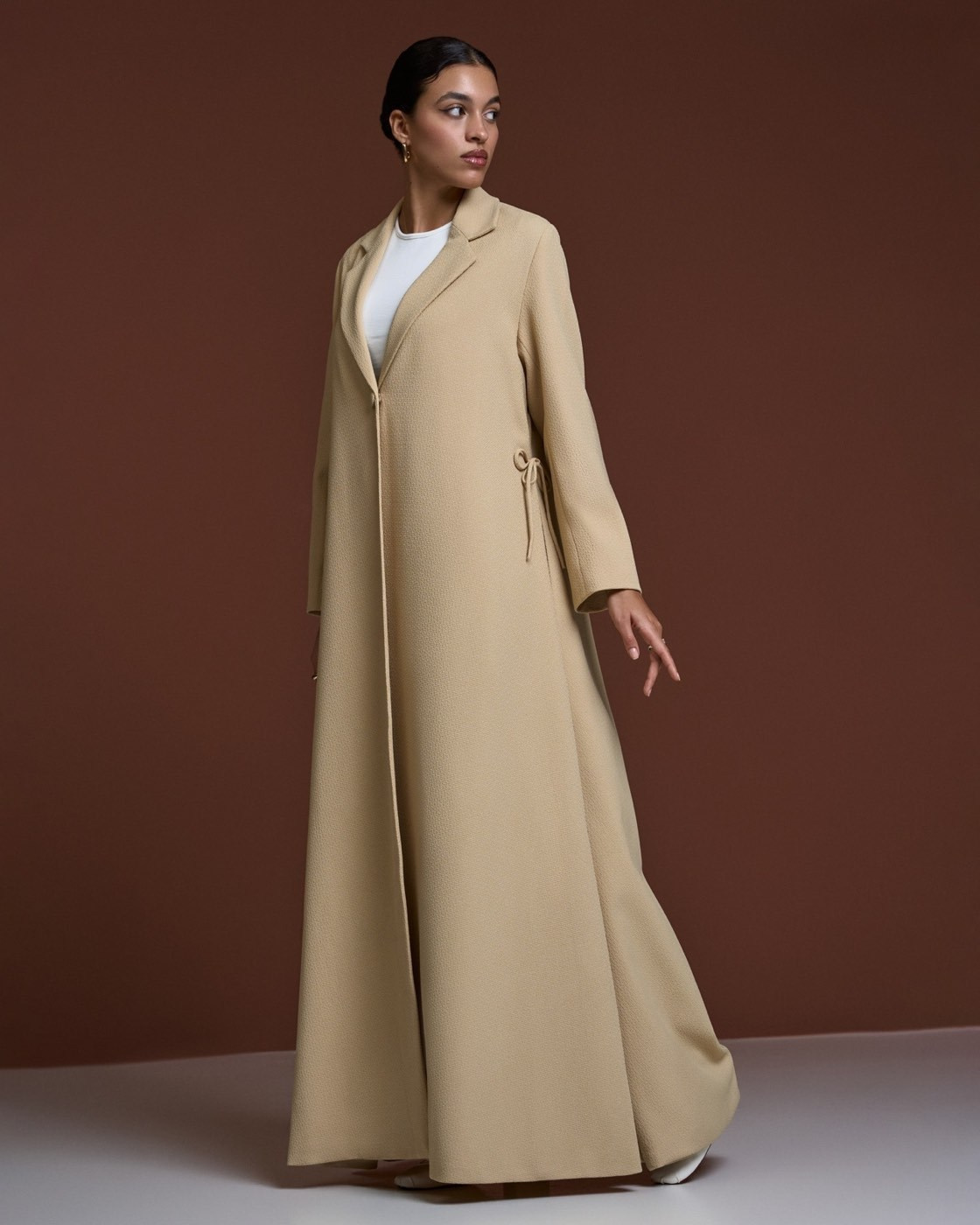
Ecommerce content should help the customer understand the product. It normally prioritises consistent framing, accurate colour, clear fit, fabric details and repeatable angles.
Lookbook Photography
A lookbook presents the collection as a coordinated range. It may be more expressive than ecommerce photography while remaining focused on garments and styling.
Campaign Photography
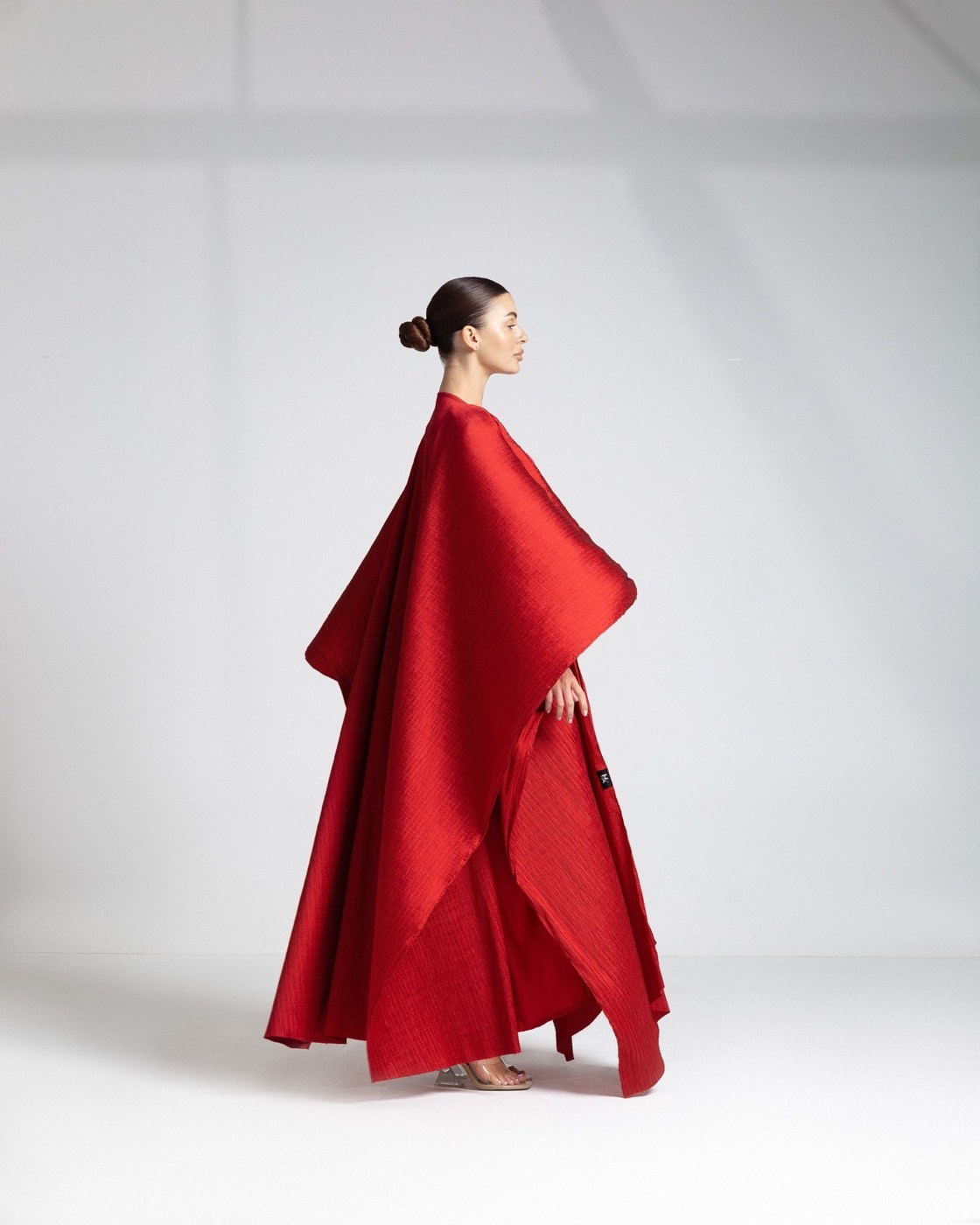
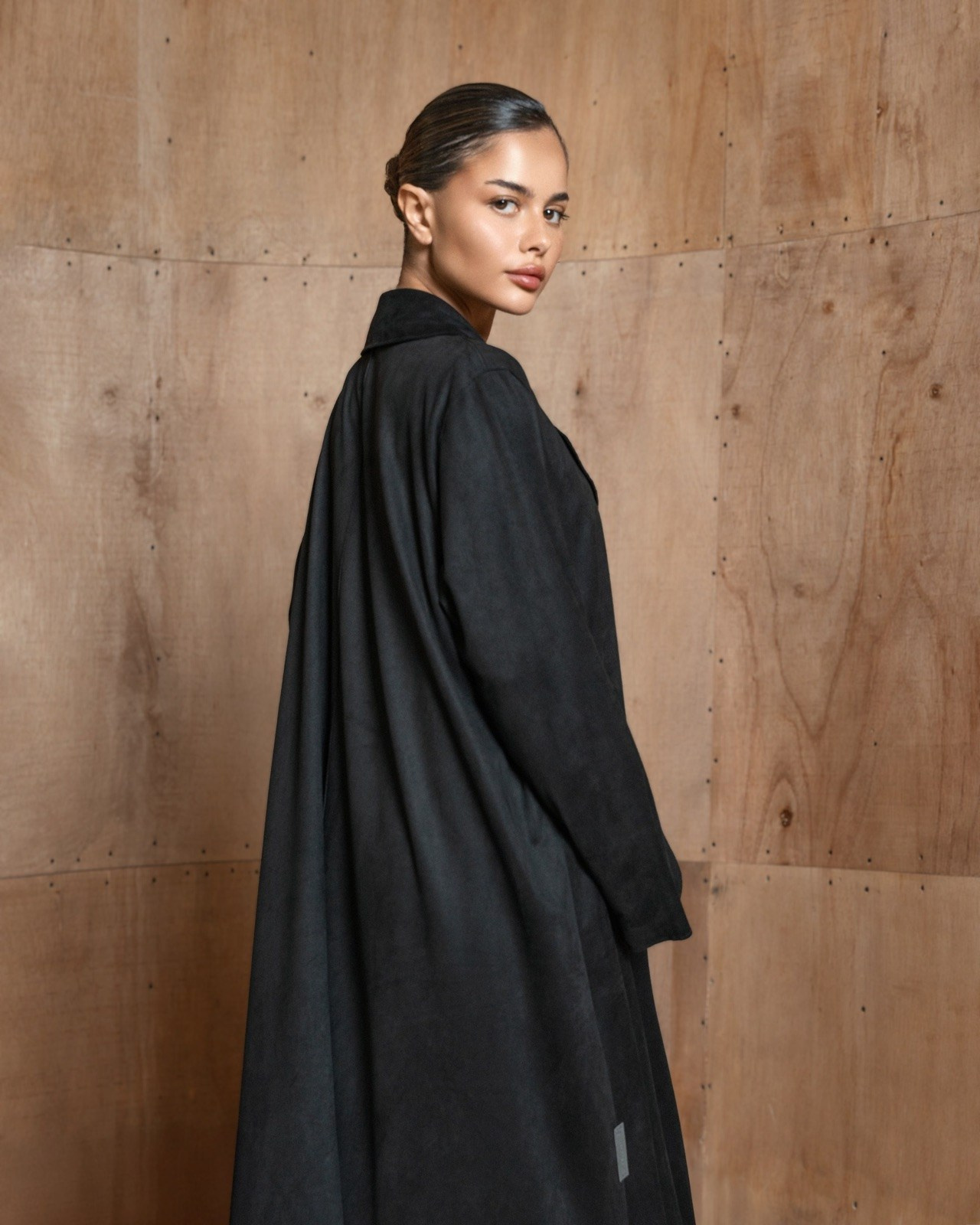
A campaign communicates a broader brand idea. Location, casting, lighting, art direction and post-production may be developed around a narrative rather than a complete SKU list.
Fashion Video
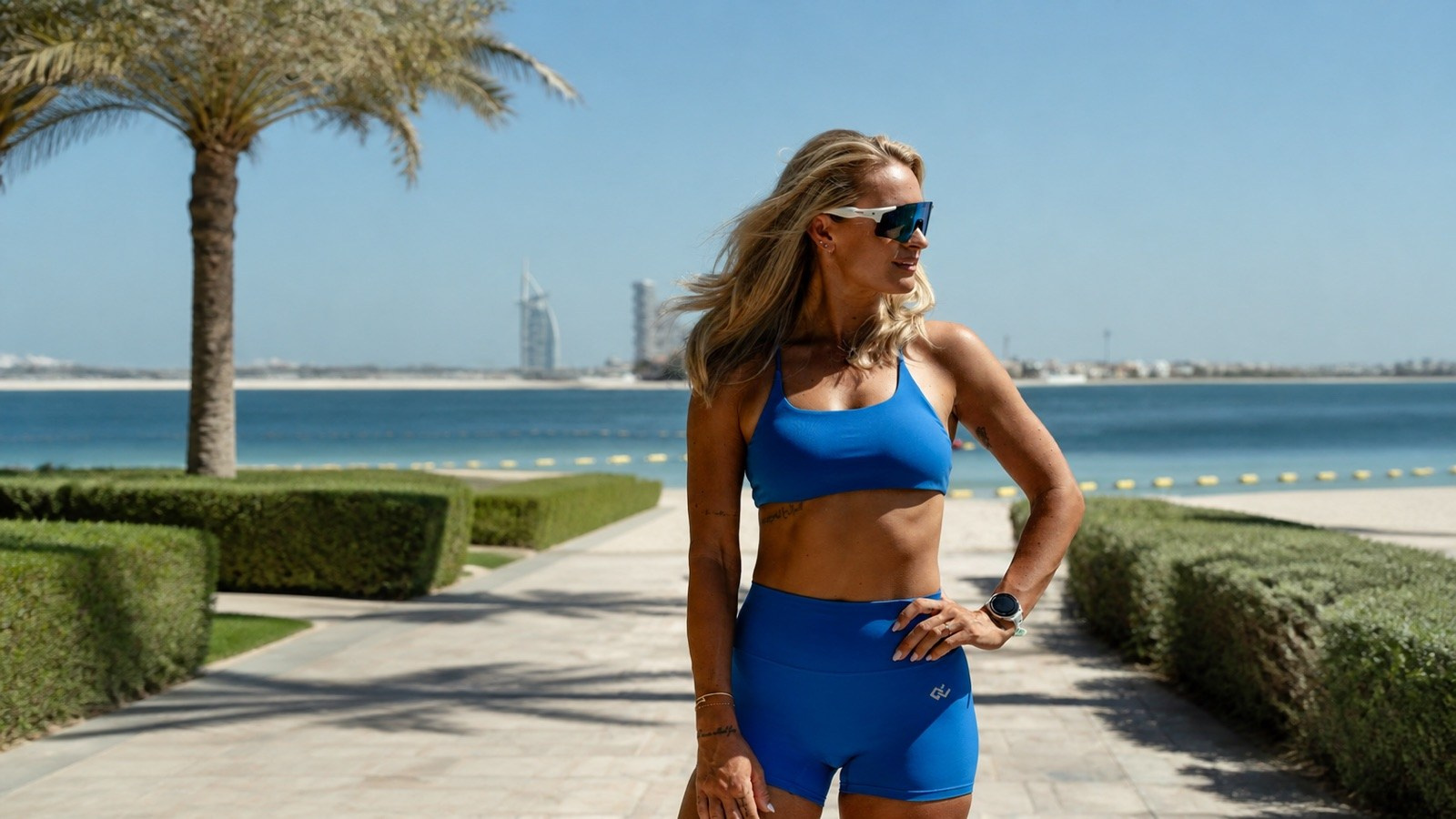
Video shows movement, fabric behaviour and personality. It may include a campaign film, collection reel, product demonstrations, behind-the-scenes content or short clips designed for social platforms. The article Ecommerce Fashion Photography vs Campaign Photography explains why one format cannot automatically replace the other.
Map Deliverables to Channels
Every final channel has its own practical requirements. A website product page may need a consistent horizontal or portrait ratio. Instagram Reels and Stories require vertical framing. A homepage banner may need wide composition and clear space for text. Marketplace listings may require simple backgrounds and specific file dimensions. Define:
- Final aspect ratios
- Resolution and file format
- Whether text or logos will be added later
- Which content must work without sound
- Which products appear in paid advertising
- Which files are required before the main launch
A single photograph can sometimes support several crops, but the composition must allow it. A tightly framed full-body image cannot always become a horizontal banner without removing essential parts of the garment.
Confirm the Collection and Sample List
The production schedule should be built from the actual samples, not an early collection list that may change. Confirm:
- Which styles are final
- Which colours will be photographed
- Which sizes are available for each model
- Which samples are still in production
- Whether accessories are included
- Which garments need repairs or adjustments
- Whether backup samples exist
Late or incorrect samples can affect the complete production day. A missing hero look may prevent planned campaign scenes, group compositions and video transitions.
Inspect and Prepare Every Garment
Clothing should be checked before it reaches the active set. Look for:
- Marks, loose threads and damaged fastenings
- Missing buttons, belts or accessories
- Incorrect labels or packaging creases
- Fit problems
- Fabric that requires steaming
- Colour differences between samples
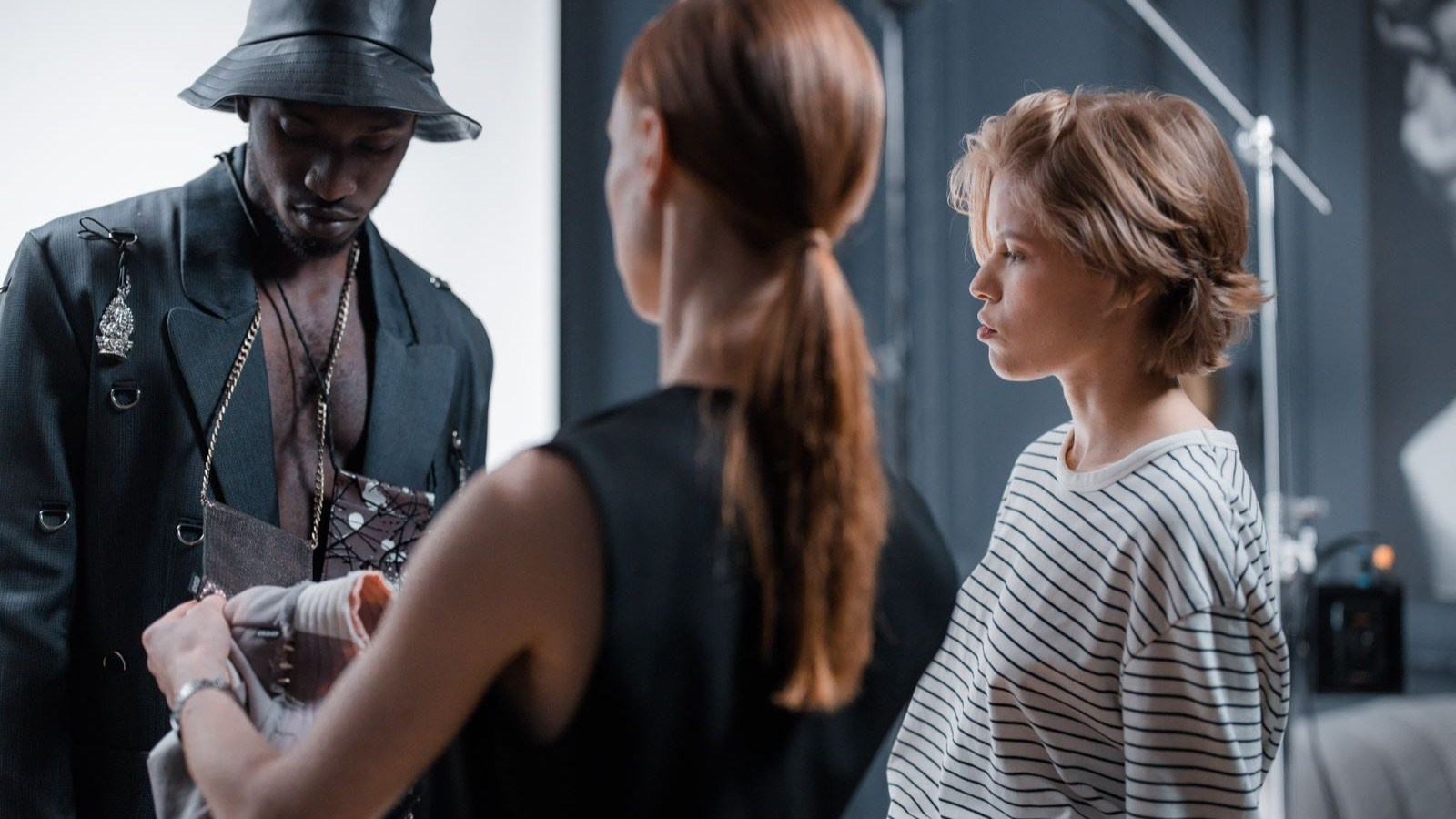
Garment preparation takes time. Steaming and styling should be included in the schedule rather than expected to happen instantly while the model waits. For a detailed checklist, see How to Prepare Clothing for an Ecommerce Fashion Photoshoot.
Choose the Presentation Method
Not every garment needs to be photographed in the same way. Possible methods include:
- On-model photography
- Mannequin photography
- Ghost-mannequin photography
- Flat lay
- Hanging product photography
- Styled campaign imagery
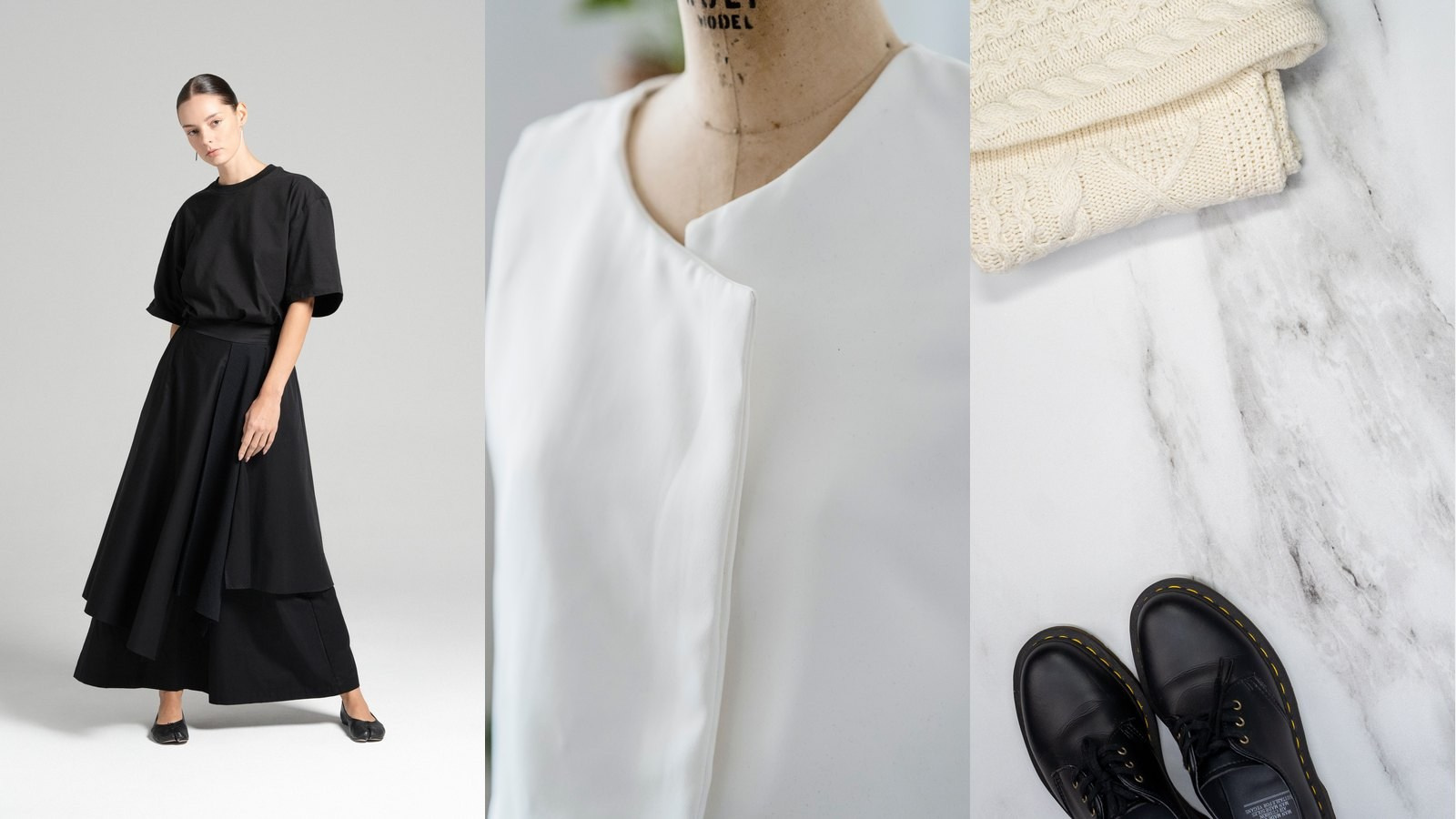
On-model images show fit, scale and movement. Flat lays and mannequins can create a controlled product-focused catalogue. Campaign imagery adds brand context but may not show every construction detail. The guide Ecommerce Fashion Photography: Model, Mannequin or Flat Lay? helps match the method to the product and customer journey.
Casting should support the brand while also matching the available samples. Consider:
- Brand audience and visual identity
- Sample measurements
- Number of models
- Experience with ecommerce posing or movement
- Hair and makeup requirements
- Talent usage and channels
- Availability for fitting and shoot dates
A strong casting choice can still fail if the samples do not fit correctly. Obtain current model measurements and compare them with the actual garments, not only the label size.
Schedule a Fitting
A fitting identifies problems before the full crew and location are booked for production. During the fitting, the team can confirm:
- Which model wears each look
- Required alterations or temporary pinning
- Underlayers and footwear
- Accessory combinations
- Transparency and fabric behaviour
- Order of looks
Photographing each approved fitting look on a phone creates a useful reference for the stylist and dressing team on the production day.
Develop One Clear Creative Direction
The moodboard should communicate decisions, not just collect attractive fashion images. It should clarify:
- Lighting and contrast
- Background or location
- Colour palette
- Framing
- Posing and movement
- Hair and makeup
- Styling
- Video rhythm
- Retouching and grading
References should be achievable within the available location, samples, crew and schedule. Combining unrelated lighting styles and locations into one board can create conflicting expectations.
Studio or Location?
A studio provides controlled lighting, privacy, changing space and protection from weather. It can be efficient for ecommerce and for campaign concepts built around designed backgrounds. A location can add atmosphere and scale, but it introduces access, permissions, transport, weather, changing facilities and public-control considerations. For outdoor production in the UAE, the team should consider heat, wind, daylight direction, travel between positions and the comfort of models and crew. A visually suitable location may still be impractical if there is nowhere to prepare garments or keep samples clean.
The shot list should be divided by content type.
Ecommerce List
- Front, back and side views
- Three-quarter views
- Fabric and construction details
- Closures, pockets and features
- Consistent crop and model position
Campaign List
- Hero looks
- Group compositions
- Wide environmental frames
- Portrait and detail moments
- Images with copy space
Video List
- Walking and garment movement
- Close-ups of fabric and details
- Transitions between looks
- Horizontal and vertical actions
- Opening and closing shots
- Short moments designed as individual clips
A shot list protects essentials while leaving space for creative decisions on set.
Coordinate Photography and Video
Producing photo and video during the same project can reduce repeated styling, location and talent preparation. It must still be scheduled carefully. Photography and video may compete for:
- The same model and garment
- The best daylight window
- The same set position
- Hair and makeup changes
- Props and accessories
- Space and electrical power
One approach is to complete a defined photo sequence and then record video actions before the model changes. Another is to operate parallel sets when the location, crew and collection size justify it. The plan should identify which moments are shared and which require separate lighting or direction.
Define the Crew and Responsibilities
Depending on the scope, a fashion production may involve:
- Producer or production coordinator
- Photographer
- Videographer or director
- Camera and lighting assistants
- Fashion stylist
- Wardrobe assistants
- Hair and makeup team
- Models
- Digital technician
- Retoucher and editor
Responsibility should be explicit. Someone needs to track samples and completed shots while the creative team focuses on the image.
Create a Realistic Production Schedule
The number of looks that can be photographed in a day depends on garment complexity, model changes, styling, lighting, location movement, photo and video requirements, and approval speed. A schedule should include:
- Crew setup
- Model preparation
- Garment steaming
- Each look or SKU block
- Video actions
- Hair and makeup changes
- Meal and reset breaks
- Location moves
- Contingency time
- Data backup
Overloading the day can create inconsistent posing, rushed styling and missing details. Prioritise the essential collection coverage first, then add optional creative variations.
Decide who can approve fit, styling, framing and brand presentation. Too many decision-makers can slow production, but having no authorised representative can result in late revisions that require a reshoot. For ecommerce, approve a test sequence before repeating the setup across the collection. For campaign work, review representative frames for lighting, styling and composition before moving to the next scene.
Maintain Colour and Fit Consistency
The final collection should feel coherent across different looks, cameras and shooting days. Consistency depends on:
- Controlled capture and reference images
- Stable lighting
- Consistent model positions and crops
- Garment styling
- Colour-managed editing
- Approved retouching rules
Retouching should improve presentation without changing product characteristics that customers need to understand. Fit, fabric texture and construction details should remain credible.
Define Post-Production Before the Shoot
Photography post-production may include selection, colour correction, background cleanup, garment refinement, skin retouching and format exports. Video post-production may include editing, colour grading, sound, music, graphics, subtitles and separate platform versions. Confirm:
- Who selects the images and clips
- How many final assets are included
- Which retouching style is approved
- How many revision rounds are available
- Which versions are required first
- How feedback must be submitted
Organise Files Around the Collection
Final files should be easy for ecommerce, marketing, PR and agency teams to use. A practical structure may separate:
- Ecommerce images by SKU
- Campaign selects
- High-resolution masters
- Web-ready exports
- Horizontal videos
- Vertical social clips
- Thumbnails and cover frames
Agree on SKU naming before production. Renaming hundreds of files after delivery is slower and more error-prone than building the convention into the workflow.
Fashion productions depend on many connected elements. Prepare alternatives for:
- Late or damaged samples
- Model illness or delay
- Outdoor weather and wind
- Location restrictions
- Wardrobe repairs
- Equipment failure
- Schedule changes
Backup garments, a repair kit, confirmed access contacts and a secondary visual option can protect the most important deliverables.
Frequently Asked Questions
Should ecommerce and campaign photography be produced on the same day?
They can be coordinated, but they have different priorities. The schedule must protect repeatable ecommerce coverage while allowing enough time for campaign styling and creative changes.
How many looks can be photographed in one day?
There is no reliable universal number. It depends on garment changes, model preparation, lighting, location movement, required angles, video and approval time.
Do we need a fitting before the shoot?
A fitting is strongly useful for on-model work because it confirms sample size, styling, underlayers, footwear and the order of looks before the complete team is on set.
Can one production create ecommerce, campaign and social media content?
Yes, provided each content type has a defined shot list, schedule and crew. The same unplanned footage cannot automatically satisfy every channel.
Should fashion video be vertical or horizontal?
The choice follows the final channels. Many brands need both, so framing and actions should be planned to support each format rather than relying only on a crop after filming.
Can GSP Media produce a fashion collection outside Dubai?
Yes. Productions can be planned across the UAE, with location, transport, access and weather considerations included in pre-production.
Conclusion
A complete plan connects the collection list to ecommerce, campaign and social channels; confirms samples and casting; defines styling and creative direction; coordinates photo and video; and protects the schedule through clear approvals and contingencies. When these decisions are made before the shoot, the brand receives a more consistent and useful content library while the production team can focus on quality rather than solving preventable problems on set. GSP Media provides fashion photography and video production for clothing brands, designers, ecommerce businesses and agencies in Dubai and across the UAE. We can help translate your collection, launch calendar and channels into a practical shot list, production schedule and delivery plan.
Blog

How Product Photography Pricing Is Calculated

What Should Be Included in a Video Podcast Production Quote?


How Many Short Videos Can You Create From One Video Podcast?
Ecommerce Fashion Photography vs Campaign Photography
Product Photography vs Product Videography: What Does Your Brand Need?
How to Prepare Clothing for an Ecommerce Fashion Photoshoot
White Background vs Lifestyle Product Photography
Ecommerce Fashion Photography: Model, Mannequin or Flat Lay?
How to Prepare Products for a Commercial Photoshoot

Corporate Podcast vs Video Interview: Which Format Is Right for Your Business?

How to Prepare a Corporate Event Photography and Video Brief

How to Prepare a Venue for Professional Live Streaming
How Multi-Camera Live Streaming Works