Choosing between studio and location fashion photography is not only a visual decision. It affects lighting control, schedule, crew, logistics, weather risk, model comfort, brand storytelling and the number of assets a fashion campaign can produce. A studio provides consistency and technical control. A location provides context, atmosphere and a stronger sense of place. Many successful campaigns combine both approaches, but only when each setting has a clear purpose. This guide explains how fashion brands, designers and agencies in Dubai and across the UAE can choose the right environment for a campaign and plan the production efficiently.
The Short Answer
Choose a studio when precise lighting, controlled backgrounds, consistent catalogue-style results or a predictable schedule are most important. Choose a location when the environment is part of the story and the campaign needs architecture, landscape, movement or a recognisable lifestyle context. The correct choice follows the campaign concept, deliverables, collection and practical production constraints.
What You Will Learn
- What a studio offers a fashion campaign
- When a location creates greater creative value
- How lighting, weather and permissions affect the decision
- How the collection and model schedule influence production
- What changes when photography and video are produced together
- When a hybrid studio-and-location plan makes sense
- Which questions to answer before approving the shoot
Start With the Campaign Objective
The setting should support what the campaign needs to communicate. Possible objectives include:
- Launch a new collection
- Create website hero images
- Show garment fit and construction
- Build a seasonal visual story
- Generate social media photographs and video
- Create trade, wholesale or press materials
- Position the brand within a particular lifestyle
If accurate garment presentation is the priority, a studio may be the stronger base. If the campaign sells an emotion, destination or way of life, the environment may need to play a larger role. A visually impressive location is not automatically relevant. The question is whether it makes the clothes and brand message clearer.
Advantages of Studio Fashion Photography
Lighting Control
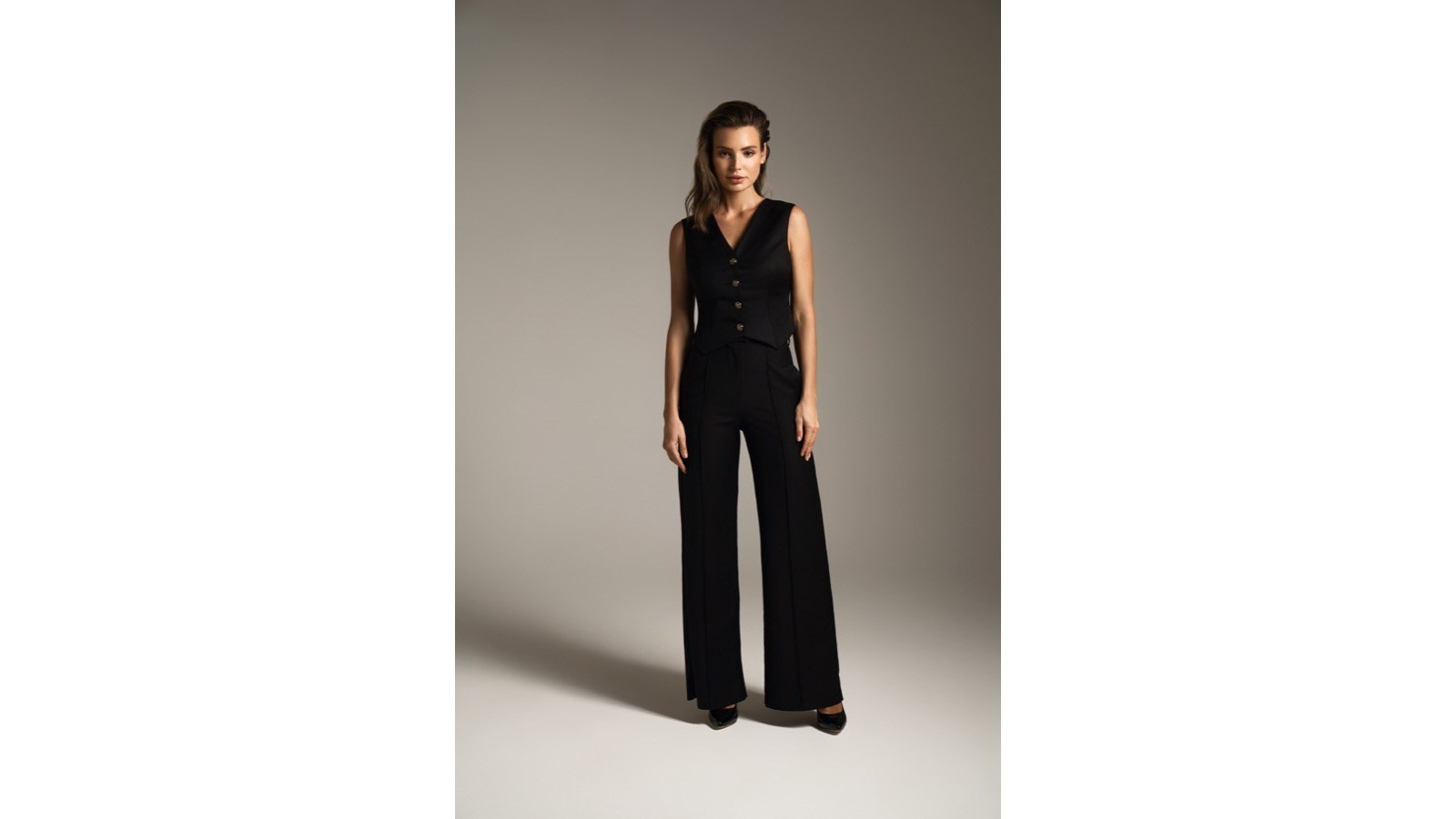
In a studio, the production team can shape and repeat light precisely. The result does not depend on clouds, sunset or changing reflections from nearby buildings. This is useful when several looks must feel consistent or when colour and fabric detail are important.
Predictable Schedule
A studio reduces weather delays, public interruptions and travel between locations. The crew can prepare equipment, garment racks, makeup and styling stations in one controlled space.
Background Flexibility
Paper backdrops, painted sets, fabric, projection, screens and built environments can create different visual directions without moving the entire production.
Privacy
Unreleased collections, public figures and confidential campaigns can be easier to manage in a private studio.
Efficient Technical Workflow
Power, equipment placement, tethered review and image backup are normally easier to organise. Stakeholders can review frames on a monitor and approve styling or poses while the shoot continues.
Limitations of Studio Production
A studio can feel generic when the art direction relies only on a plain background without a strong visual concept. Building a custom set may require design, materials, construction and additional time. A small studio can also restrict full-body movement, wide group compositions or long camera moves for video. The studio should be selected according to the campaign, not only its hourly availability. Ceiling height, shooting distance, access, changing facilities, sound, power and loading all matter.
Advantages of Location Fashion Photography
Stronger Narrative
A location can communicate a complete world around the collection. Architecture, landscape, texture and natural movement help establish mood immediately.
Authentic Context
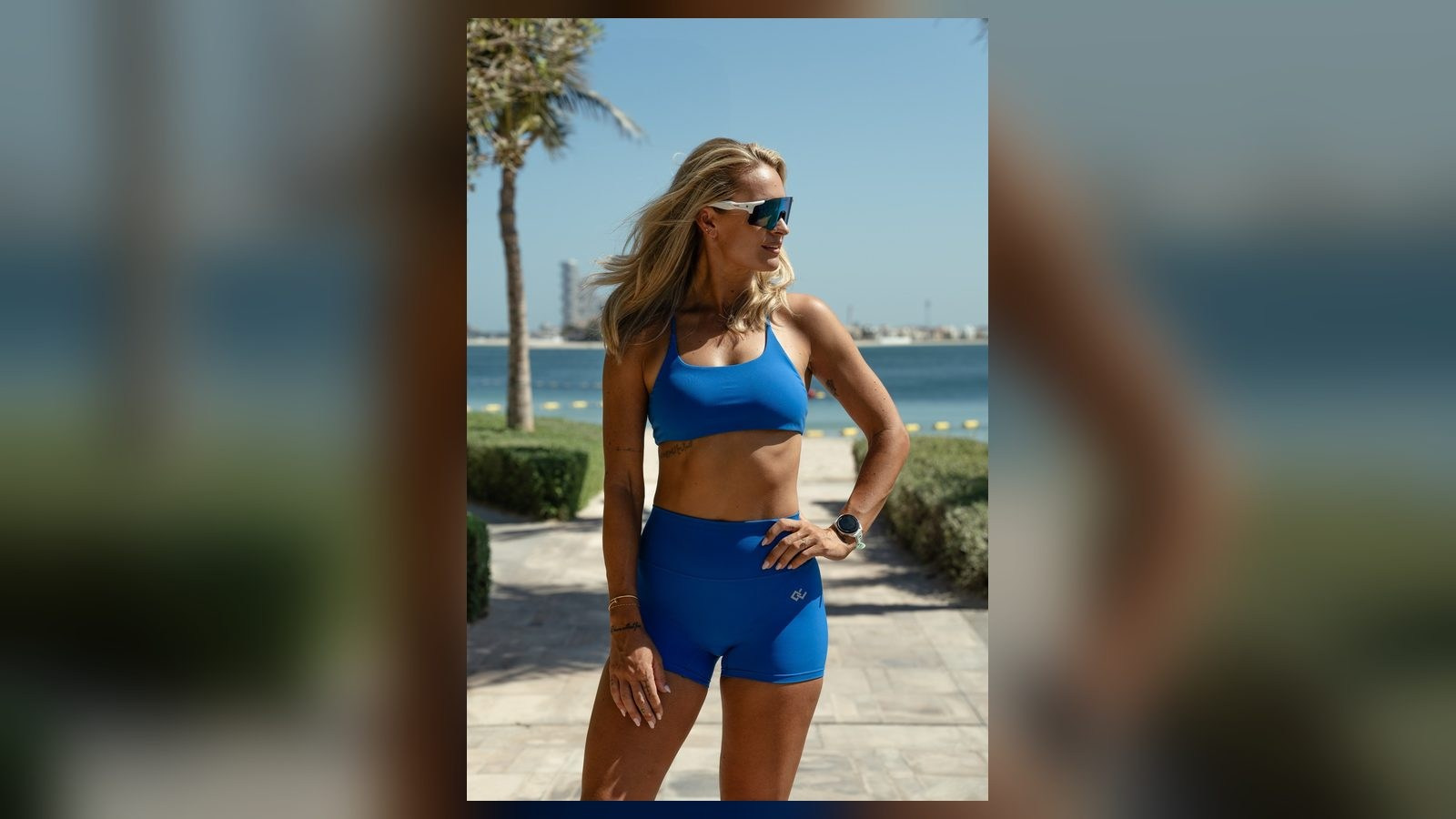
Sportswear may feel more convincing in motion outdoors. Resortwear may benefit from coastal light. Tailoring can gain authority in a refined architectural setting.
Natural Variety
One carefully chosen location may provide several backgrounds, camera directions and lighting situations within a short distance.
Sense of Place
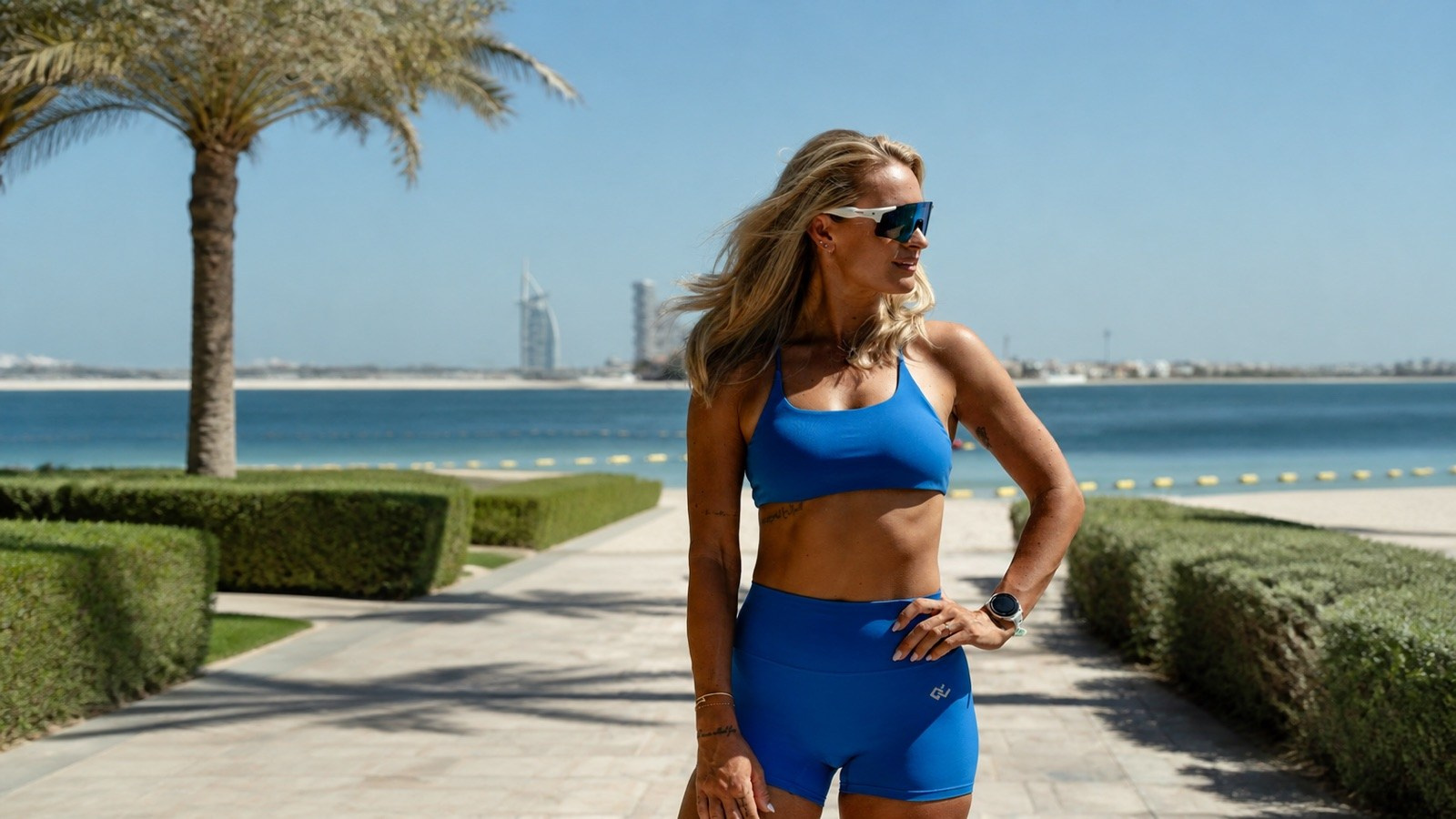
Dubai and the wider UAE offer modern architecture, desert landscapes, waterfronts, urban streets and distinctive interiors. Geography can become part of the campaign identity when it is genuinely relevant to the brand.
Limitations of Location Production
Locations introduce variables that the team cannot fully control. These may include:
- Weather and wind
- Changing daylight
- Heat and humidity
- Public access and interruptions
- Noise
- Parking and equipment transport
- Power and facilities
- Permissions and time restrictions
- Limited changing and makeup areas
A beautiful place can become inefficient if the model, stylist and crew must walk long distances between each look or if there is nowhere to prepare garments safely.
Lighting: Control vs Natural Variation
Studio lighting can be repeated from look to look. This helps the collection feel coherent and makes later colour matching more predictable.
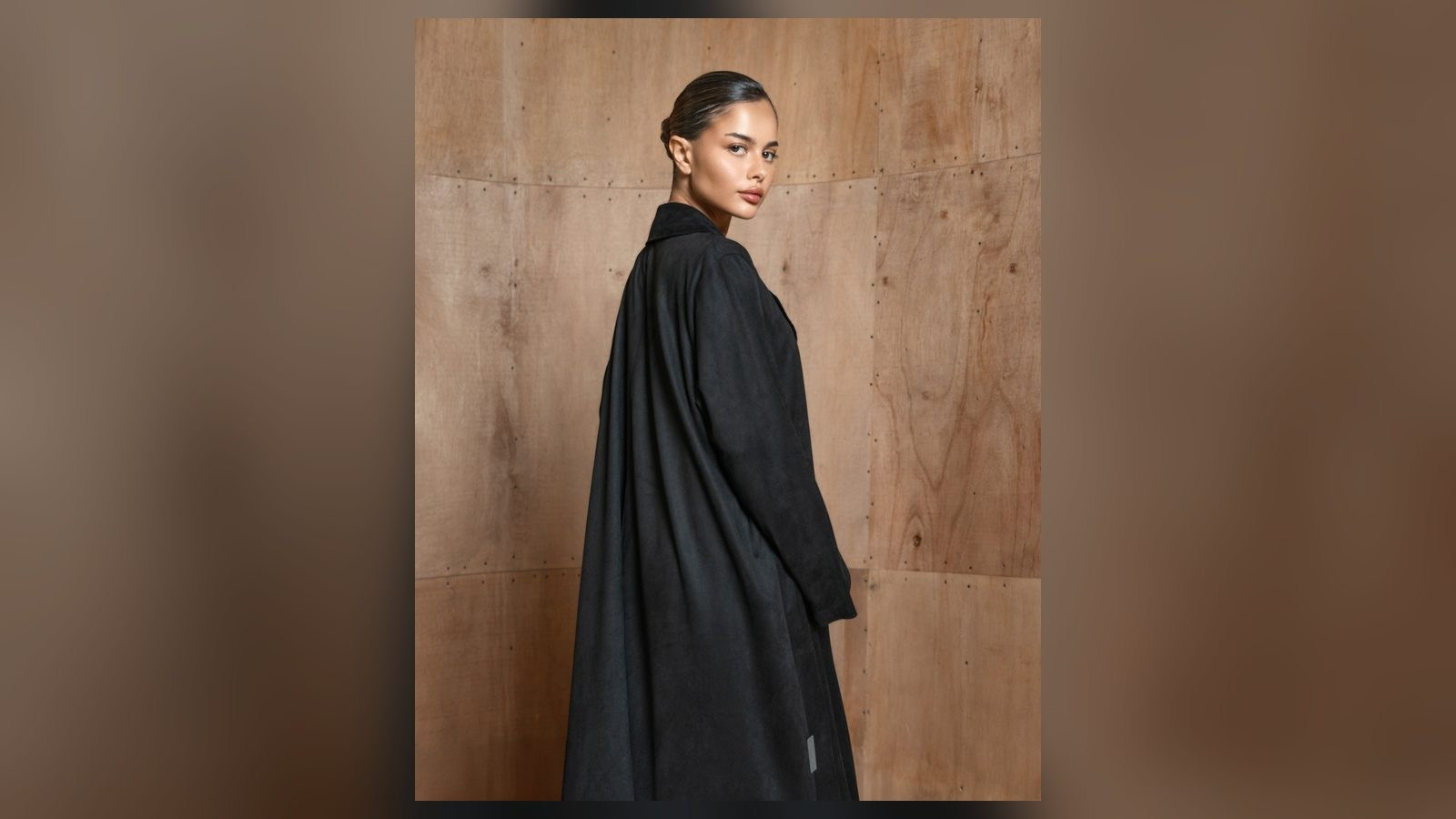
Location light changes through the day. The shift can be desirable when the campaign follows a visual journey, but it can also make adjacent images feel inconsistent.
Natural light is not equipment-free. The team may still use reflectors, diffusion, negative fill, battery-powered lights or generators to control contrast and maintain skin and garment detail.
In the UAE, the most attractive outdoor light often occurs during a limited early-morning or late-afternoon window. The schedule must protect that window for priority looks.
Weather and Seasonal Planning
Outdoor fashion production in the UAE needs a realistic weather plan.
Consider:
- Temperature during model call and shooting hours
- Wind affecting hair and lightweight fabrics
- Humidity and makeup maintenance
- Sand or dust near the collection and equipment
- Sun direction and shade
- Backup date or covered alternative
Some visual effects, such as fabric movement, benefit from wind. Uncontrolled strong wind can make consistent posing and styling impossible.
Permissions and Commercial Access
Do not assume that a public-looking space is available for commercial photography.
The production may need approval from:
- Property management
- Hotel or venue
- Government or municipal authority
- Retail or residential development
- Event organiser
- Brand or artwork owner visible in the scene
Permission terms may restrict crew size, tripods, lighting, drones, timing, public access or publication. These conditions should be confirmed before the final concept and schedule are approved.
Collection Size and Number of Looks
A studio usually supports a faster, more repeatable look change because wardrobe, steaming, accessories and makeup are nearby.
On location, every change may require a vehicle, mobile changing area or return to a base room. Walking between scenes also consumes time.
If the campaign includes many looks, prioritise them. Identify which pieces need hero images, which require motion, and which can share a background. Do not assume every garment will receive the same number of final images.
Garment Preparation
Studio and location shoots both depend on professional garment preparation.
The workflow may require:
- Steaming and lint removal
- Look organisation
- Accessory matching
- Fit adjustments
- Emergency repair kit
- Protection from makeup, dust and surfaces
- Tracking samples and returns
On location, additional covers, garment bags, portable steamers and a clean holding area may be necessary.
Model Comfort and Performance
Model comfort affects expression, posture and movement.
A studio offers climate control, privacy and easy access to water, mirrors and changing facilities. A location may require shade, breaks, transport and a private preparation area.
When the concept includes movement, confirm the surface and footwear. Running in an uneven desert area or posing on a hot exterior surface creates both performance and safety concerns.
Photography and Video Together
Producing photographs and short-form video during one campaign can be efficient, but the two teams need a shared plan.
Video may require longer continuous actions, clean sound, additional camera movement or vertical compositions. Photography may use flash or pause the model at specific moments.
Agree which team leads each setup and which looks are priorities for motion. Otherwise, the day can become a sequence of repeated performances without enough time for either medium.
Studio, Location or Hybrid?
A hybrid production can use a studio for controlled core assets and a location for campaign storytelling.
For example:
- Studio images provide consistent website and press assets
- Location images provide hero visuals and social content
- Studio video captures controlled garment details
- Location video adds movement and atmosphere
This approach is valuable when the collection needs both commercial clarity and a strong editorial identity.
It may be more efficient to schedule separate days rather than moving a large team and collection midway through one day. The choice depends on travel, setup, number of looks and available budget.
How the Budget Is Structured
The location decision affects more than rental.
A studio budget may include:
- Studio hire
- Backdrop or set build
- Lighting and equipment
- Changing, makeup and styling areas
- Overtime
A location budget may include:
- Location fee and permits
- Transport and production vehicles
- Mobile power and lighting
- Base room or changing facilities
- Security, parking or access staff
- Weather contingency
The least expensive-looking option can become more complex after logistics are included. Compare complete production scopes rather than only the space fee.
How to Choose the Location
Review potential locations against the actual shot list.
Check:
- Whether the environment supports the brand
- Number of useful backgrounds
- Sun direction at the planned time
- Space for camera and lighting
- Public and vehicle access
- Changing and makeup facilities
- Power, shade and rest areas
- Permission conditions
- Noise if video or interviews are required
Phone reference photographs are not enough when access, light and scale are uncertain. A location scout or detailed technical recce can prevent expensive changes on the production day.
How to Choose the Studio
Confirm:
- Shooting dimensions and ceiling height
- Backdrop width and colours
- Power capacity
- Loading and parking
- Changing and makeup rooms
- Sound conditions for video
- Available furniture and props
- Internet and client review area
- Access and overtime rules
A studio that looks large in photographs may provide limited working distance once the set, lighting and crew are installed.
Common Mistakes
Choosing a Location Before Defining the Concept
The environment may overpower the collection or communicate the wrong mood.
Underestimating Travel and Changes
Moving people, equipment and garments consumes more time than expected.
Planning Too Many Looks for Changing Daylight
The most important garments may miss the best light.
Ignoring Permissions
Commercial restrictions can stop or limit the shoot.
Assuming a Studio Guarantees Creativity
Control is valuable, but art direction still needs a clear idea.
Adding Video Without Changing the Schedule
Motion content needs time, coordination and often additional equipment.
Questions to Answer Before Booking
- What must the campaign communicate?
- Which final formats and aspect ratios are required?
- How many looks are priorities?
- Does the location add information or only decoration?
- What is the daylight and weather plan?
- Which permits and access rules apply?
- Where will garments, models and makeup be prepared?
- Will photography and video be produced together?
- Is a backup location or studio needed?
- Who approves images during the shoot?
Frequently Asked Questions
Is studio fashion photography always more efficient?
It is usually more predictable, but a complex set build can require significant preparation. Efficiency depends on the concept and deliverables.
Can outdoor fashion photography be produced throughout the year in Dubai?
Yes, but the schedule, heat, humidity, wind and model comfort need realistic seasonal planning.
Do we need permission for a public location?
Commercial photography may require permission even in spaces accessible to the public. Confirm requirements before production.
Can we shoot product images and a campaign on the same day?
Sometimes, especially in a studio, but each workflow needs enough time and the deliverables must be prioritised.
Should photography and video use the same location?
They can, provided the space supports camera movement, lighting and any sound requirements.
Conclusion
Studio and location fashion photography solve different creative and practical problems.
A studio offers control, consistency and an efficient technical base. A location adds context, atmosphere and a stronger sense of place. The best choice is the one that supports the campaign objective while giving the team enough time and control to produce the required assets.
Define the story, collection priorities, formats and production constraints before selecting the setting. The environment should strengthen the fashion rather than distract from it.
Planning a Fashion Campaign in the UAE?
GSP Media provides fashion photography and video production for brands, designers and agencies in Dubai and across the UAE.
Our team can support creative planning, studio or location production, lighting, photography, short-form video and coordinated final delivery.
Blog


AI Content vs Traditional Photography and Video: What Should Your Brand Use?

How to Prepare Product References for AI Content Production

How Many Product Images Does an Ecommerce Product Page Need?

What Affects the Cost of Professional Live Streaming in Dubai?

How to Plan Photography and Video for a New Fashion Collection

How Product Photography Pricing Is Calculated

What Should Be Included in a Video Podcast Production Quote?


How Many Short Videos Can You Create From One Video Podcast?
Ecommerce Fashion Photography vs Campaign Photography
Product Photography vs Product Videography: What Does Your Brand Need?
How to Prepare Clothing for an Ecommerce Fashion Photoshoot